
Tulipiere
A pottery vessel with spouts for growing tulip bulbs indoors
A tulipiere is a decorative pottery vessel made to grow tulip bulbs indoors, usually with separate spouts for each bulb and a shared water base. Popular among European elites in the 17th century, tulipieres were often ornate and served as both a growing vessel and a display of wealth.
- Tulipieres hold one bulb per spout above a shared water base
- They were most popular among European elites in the 17th century
- Large pyramid-shaped tulipieres served as status symbols
- They are usually made of hand-crafted pottery, often delftware
What is Tulipiere?
A tulipiere is a vessel, often made from hand-crafted pottery like delftware, designed with multiple spouts—each holding a single tulip bulb. The base contains a water reservoir that feeds all the bulbs. Some tulipieres are small enough for a table, while others are large, pyramid-shaped pieces that stand on the floor. Their ornate designs make them decorative objects as well as practical containers for growing flowers indoors.
Where does Tulipiere come from?
Tulipieres became popular in Europe during the 17th century, a time when tulip bulbs and other exotic flowers from Asia were luxury items. The vessels were especially common among the wealthy, who used them to grow and display tulips indoors. The elaborate shapes and craftsmanship of tulipieres reflected the owner's social status. The rise of global trade brought tulips, crocuses, and hyacinths to Europe, and tulipieres were created to showcase these prized bulbs.
How Tulipiere is made
Tulipieres are made from pottery, often by hand, with a central water reservoir and several spouts. Each spout is sized to hold a single bulb. To use a tulipiere, bulbs are placed in the spouts and water is added to the base, allowing the bulbs to grow and bloom indoors. While designed for growing bulbs, tulipieres can also be used to display cut flowers, though this was not their original purpose.
When and where Tulipiere is used
Tulipieres were mainly used in the homes of European elites to grow and display tulip bulbs indoors. They served both as practical vessels for forcing bulbs and as decorative art pieces. Today, tulipieres are less common but remain valued as collectibles and for their historical connection to the tulip craze of the 17th century.
Forms of Tulipiere
Tulipieres come in various sizes and shapes, from small tabletop pieces to large, floor-standing pyramids. The most elaborate examples are multi-tiered and highly decorated, while simpler versions may have fewer spouts and plainer designs. Related vessels include the boughpot and flower brick, which are also used for displaying flowers.
What Tulipiere means
Owning a tulipiere in the 17th century signaled wealth and taste, as tulip bulbs were expensive and exotic. The tulipiere became a symbol of the European fascination with rare flowers and the social status attached to their display. Though rare today, tulipieres are appreciated for their craftsmanship and as reminders of a unique period in flower history.
The flowers of Tulipiere
 TulipSpring-blooming bulbs with showy, cup-shaped flowers in many colours
 CrocusSmall corm-grown flowers in white, yellow, orange or purple
 HyacinthA spring-blooming bulb with fragrant, colourful flower spikes
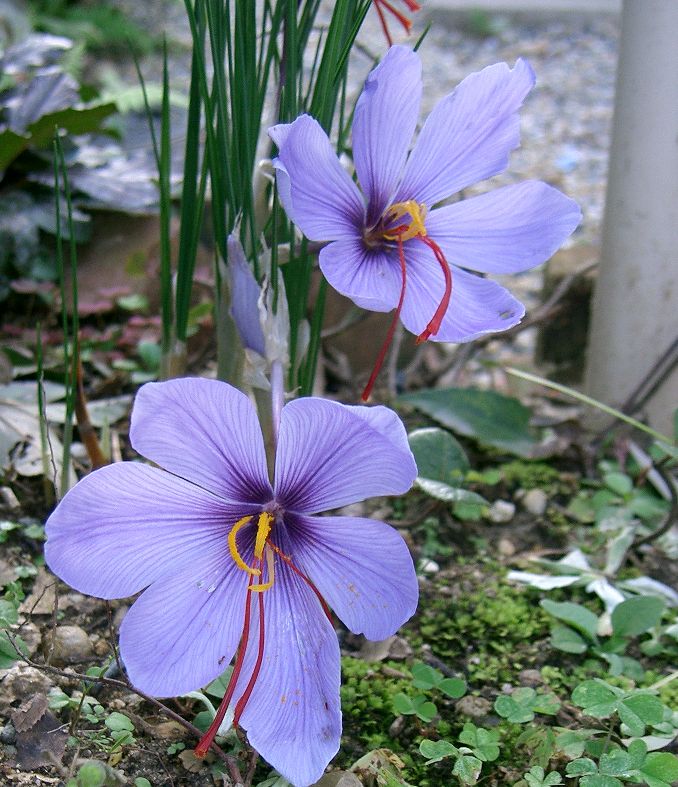 Saffron crocusThe purple autumn flower whose red stigmas yield the spice saffron
 Crocus alatavicusA white-flowered crocus from the mountains of Central Asia and Xinjiang
 Wild tulipA wild yellow tulip with a light scent, found from Portugal to western China
 Crocus ancyrensisA small orange-yellow crocus native to North and Central Turkey
 Spring crocusA spring-flowering crocus grown for its large, colourful blooms
Questions people ask about Tulipiere
What is a tulipiere used for?
A tulipiere is used to grow tulip bulbs indoors, with each bulb placed in its own spout above a shared water reservoir. It can also be used to display cut flowers, though this was not its original purpose.
Where did tulipieres originate?
Tulipieres became popular in Europe, especially among the elite, during the 17th century when tulip bulbs and other exotic flowers from Asia were considered luxury items.
What flowers can be grown in a tulipiere?
Tulipieres are designed for tulip bulbs but can also be used for other bulb flowers like crocus and hyacinth, which were also popular in 17th-century Europe.
Why were tulipieres considered status symbols?
Tulipieres were ornate and expensive, and owning one showed that the owner could afford rare bulbs and fine pottery. Large, decorative tulipieres were especially associated with wealth and social standing.
Good reading and sources
The facts on this page come from the Wikipedia article "Tulipiere", written by its contributors and used under the CC BY-SA 4.0 licence, and from its Wikidata record (CC0). Phool rewrote the text in its own words, with AI assistance, and compares every page with the article to make sure no passage is copied. It may be reused under the same CC BY-SA 4.0 licence with a link back.
It may contain mistakes. If something is wrong, tell us. Last refreshed 2026-10-03.
More of the same kind
 Decoration
Nageirebana抛入花
A free-form ikebana style using tall vases and no flower holders
Arrangement
Decoration
Nageirebana抛入花
A free-form ikebana style using tall vases and no flower holders
Arrangement
 Decoration
Tokonoma床の間
A Japanese alcove for displaying scrolls and flower arrangements
🇯🇵 Japan · Arrangement
Decoration
Tokonoma床の間
A Japanese alcove for displaying scrolls and flower arrangements
🇯🇵 Japan · Arrangement
 Decoration
Bouquet
A creative arrangement of flowers, given or displayed for many occasions
🇨🇳 China and 1 more · Arrangement
Decoration
Bouquet
A creative arrangement of flowers, given or displayed for many occasions
🇨🇳 China and 1 more · Arrangement
 Decoration
Sōgetsu草月流
A modern school of Japanese ikebana open to all materials and styles
🇯🇵 Japan · Arrangement
Decoration
Sōgetsu草月流
A modern school of Japanese ikebana open to all materials and styles
🇯🇵 Japan · Arrangement
More from Spain
All the flowers of Spain Decoration
Chintzछींट
Indian floral-printed cotton fabric with a glossy or painted finish
🇮🇳 India and 2 more · Art or design
Decoration
Chintzछींट
Indian floral-printed cotton fabric with a glossy or painted finish
🇮🇳 India and 2 more · Art or design
 Decoration
Saint George's Day in CataloniaDiada de Sant Jordi
Catalonia’s day of exchanging books and red roses on April 23
🇪🇸 Spain and 2 more · Custom, April
Decoration
Saint George's Day in CataloniaDiada de Sant Jordi
Catalonia’s day of exchanging books and red roses on April 23
🇪🇸 Spain and 2 more · Custom, April
 PeachPrunus persica
A flowering fruit tree from China, grown for its pink blossoms and sweet fruit
🇨🇳 China and 7 more · Flowering tree
PeachPrunus persica
A flowering fruit tree from China, grown for its pink blossoms and sweet fruit
🇨🇳 China and 7 more · Flowering tree
 AlmondPrunus amygdalus
A Mediterranean tree grown for its fragrant spring flowers and edible seeds
🇮🇷 Iran and 6 more · Flowering tree
AlmondPrunus amygdalus
A Mediterranean tree grown for its fragrant spring flowers and edible seeds
🇮🇷 Iran and 6 more · Flowering tree