
Lily-of-the-valley
Convallaria majalis, family Asparagaceae
A woodland plant with sweet-scented white bell flowers in late spring
Lily-of-the-valley is a perennial plant from Europe and northern Asia, known for its arching sprays of small, fragrant white bell-shaped flowers in late spring. It forms dense colonies in shady woodlands and is grown in gardens for its scent, but all parts are highly poisonous if eaten.
- All parts of the plant are highly poisonous if eaten
- Its sweet scent is recreated in famous perfumes like Diorissimo
- Finland has adopted it as its national flower
- Traditionally sold in France on 1 May for Labour Day
- Flowers are popular in wedding bouquets
What does Lily-of-the-valley look like?
Lily-of-the-valley is a low-growing perennial with slender stems 15–35 cm tall. Each plant has two broad, lance-shaped leaves and a single arching stem with a row of six to twelve small, white, bell-shaped flowers. The flowers hang down and have a sweet, strong scent. Rarely, cultivated forms may have pink flowers. After flowering, it produces small, round, orange-red berries, which are also poisonous.
Where does Lily-of-the-valley come from?
This plant is native to Europe and northern Asia, growing wild in woodlands and shady places. It prefers partial shade and can be found from sea level up to high elevations in central and southern Europe. It was once thought to occur in North America and eastern Asia, but those plants are now classified as separate species. The name comes from a biblical phrase and was used by European herbalists from the 15th or 16th century.
When and how Lily-of-the-valley blooms
Lily-of-the-valley blooms in late spring, usually May to June in Britain. It spreads by underground stems called rhizomes, forming colonies. It grows best in humus-rich, silty or sandy soils with some moisture and partial shade. In gardens, it is often grown for ground cover or forced in pots for winter flowers. Plants are self-incompatible, so colonies of one clone do not set seed.


How Lily-of-the-valley is used
People grow lily-of-the-valley for its fragrant flowers and as ground cover in shady gardens. The flowers are popular in wedding bouquets and are sold in France on 1 May for Labour Day. In Cornwall, they are worn for Flora Day celebrations. The scent is recreated in perfumes, as the plant cannot be distilled for natural extract. Traditionally, it was used in folk medicine, but all parts are highly toxic.
Kinds of Lily-of-the-valley
Gardeners have selected forms with double flowers, pink flowers, and variegated leaves. Notable cultivars include 'Rosea' for pink blooms, 'Flore Pleno' for double flowers, and several with striped or golden leaves. Larger-growing forms are also available. Former varieties from eastern Asia and North America are now treated as different species.
What Lily-of-the-valley means
Lily-of-the-valley is the national flower of Finland and was once Yugoslavia’s. In the language of flowers, it stands for the return of happiness. It is linked to Christian symbolism and is mentioned in the Song of Songs. The flower appears in art, music, and literature, and is associated with spring celebrations in France and the UK. Its berries have been used in fiction as a poison.
Traditions that use it
Questions people ask about Lily-of-the-valley
Where does lily-of-the-valley come from?
Lily-of-the-valley is native to Europe and northern Asia, growing wild in woodlands and shady places. It is also found in gardens around the world.
What does lily-of-the-valley look like?
It has two broad leaves and a slender stem with a row of small, white, bell-shaped flowers that hang down. The flowers are strongly scented and bloom in late spring.
Is lily-of-the-valley poisonous?
Yes, all parts of the plant, including the berries, are highly poisonous if eaten. It contains strong chemicals called cardiac glycosides.
What is lily-of-the-valley used for?
People use it in gardens, for wedding bouquets, and in perfumes. In France, it is sold on Labour Day as a symbol of spring. It has also been used in folk medicine, but is toxic.
What does lily-of-the-valley symbolise?
In the language of flowers, it means the return of happiness. It is also a national symbol in Finland and is linked to spring celebrations in several countries.
Good reading and sources
- Encyclopaedia BritannicaArticle
- Lily Of The Valley Fragrance: Determining Interactions With Scent ReceptorsScienceDaily, Article
- Kate Middleton's bridal dress designed by Sarah BurtonBBC, Article
- Convallaria majalisRoyal Horticultural Society, Article
- Plants of the World OnlineRoyal Botanic Gardens, Kew, Plant database
- Where it has been recordedGBIF, Plant database
- Sightings and photos by naturalistsiNaturalist, Plant database
- Lily of the valley on WikipediaEncyclopedia
- More photos on Wikimedia CommonsPhotos
- Wikidata recordOpen data
The facts on this page come from the Wikipedia article "Lily of the valley", written by its contributors and used under the CC BY-SA 4.0 licence, and from its Wikidata record (CC0). Phool rewrote the text in its own words, with AI assistance, and compares every page with the article to make sure no passage is copied. It may be reused under the same CC BY-SA 4.0 licence with a link back.
It may contain mistakes. It is not medical or foraging advice: many flowers are poisonous, and traditional uses are reported, not recommended. If something is wrong, tell us. Last refreshed 2026-10-03.
Others in the family Asparagaceae
The whole family HyacinthHyacinthus
A spring-blooming bulb with fragrant, colourful flower spikes
🇹🇷 Turkey and 7 more · Bulb flower
HyacinthHyacinthus
A spring-blooming bulb with fragrant, colourful flower spikes
🇹🇷 Turkey and 7 more · Bulb flower
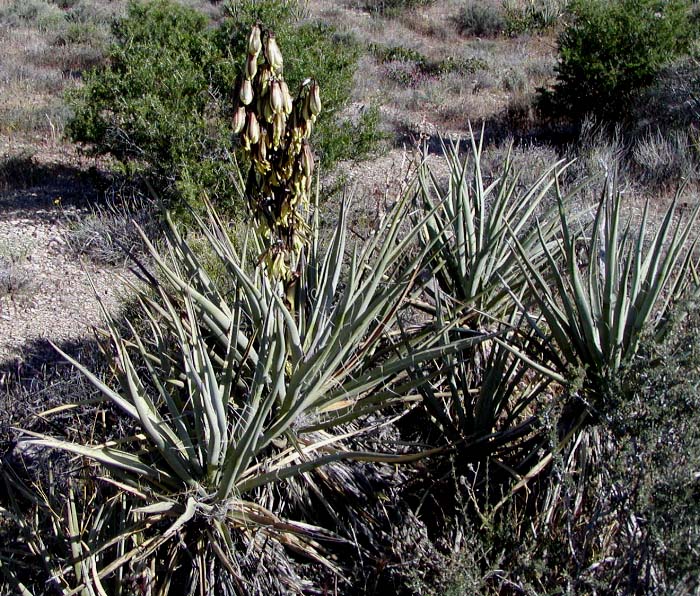 Yucca
Dry-climate plants with pointed leaves and clusters of creamy white flowers
🇲🇽 Mexico and 4 more · Wildflower
Yucca
Dry-climate plants with pointed leaves and clusters of creamy white flowers
🇲🇽 Mexico and 4 more · Wildflower
 Star-of-BethlehemOrnithogalum umbellatum
A white, star-shaped spring flower that opens late in the day
🇫🇷 France and 7 more · Wildflower
Star-of-BethlehemOrnithogalum umbellatum
A white, star-shaped spring flower that opens late in the day
🇫🇷 France and 7 more · Wildflower
 Ornithogalum thyrsoides
A white, long-lasting bulb flower from South Africa’s Cape Province
🇿🇦 South Africa · Bulb flower
Ornithogalum thyrsoides
A white, long-lasting bulb flower from South Africa’s Cape Province
🇿🇦 South Africa · Bulb flower
More from Finland
All the flowers of Finland Pedunculate oakQuercus robur
A towering oak tree with stalked acorns, native to Europe and western Asia
🇷🇸 Serbia and 8 more · Flowering tree
Pedunculate oakQuercus robur
A towering oak tree with stalked acorns, native to Europe and western Asia
🇷🇸 Serbia and 8 more · Flowering tree
 CloudberryRubus chamaemorus
A golden berry of northern bogs and tundra, picked wild for food and drink
🇳🇴 Norway and 7 more · Wildflower
CloudberryRubus chamaemorus
A golden berry of northern bogs and tundra, picked wild for food and drink
🇳🇴 Norway and 7 more · Wildflower
 White Water-lilyNymphaea alba
A floating white flower of ponds and lakes across Europe and Asia
🇸🇪 Sweden and 5 more · Wildflower
White Water-lilyNymphaea alba
A floating white flower of ponds and lakes across Europe and Asia
🇸🇪 Sweden and 5 more · Wildflower
 FireweedChamaenerion angustifolium
A tall pink wildflower that quickly covers burned or disturbed ground
🇨🇳 China and 3 more · Wildflower
FireweedChamaenerion angustifolium
A tall pink wildflower that quickly covers burned or disturbed ground
🇨🇳 China and 3 more · Wildflower