Giving and meaning
Birth-month flowers
A flower for each month of the year, given on birthdays in the same way as a birthstone.
Presented by ClearTrust Free for gardeners, florists, travellers and the curious.
A birth flower is the flower assigned to the month you were born in. The custom is strongest in the United States and Britain, where florists and card makers use it for birthday bouquets, jewellery and tattoos. The lists are a commercial convention, not an ancient rule, and most months have two flowers because the American and British lists differ.

What it is
The usual list runs like this. January: carnation or snowdrop. February: violet or primrose. March: daffodil. April: daisy or sweet pea. May: lily of the valley or hawthorn. June: rose or honeysuckle. July: larkspur or water lily. August: gladiolus or poppy. September: aster or morning glory. October: marigold or cosmos. November: chrysanthemum. December: narcissus, holly or poinsettia. Most choices simply follow what is in bloom in a northern temperate garden in that month.
Where it comes from
People often say the Romans began it by decorating altars with seasonal flowers on birthdays, but there is no clear line from then to now. The fixed monthly list took shape in the nineteenth and twentieth centuries, alongside the language of flowers and the birthstone lists that jewellers promoted. Because the flowers match northern seasons, the list fits poorly south of the equator, where daffodils flower in September. Japan has its own, more detailed system with a flower for every day of the year.
How people use it
A birth flower makes an easy theme for a present. Florists build a bouquet around it, and when the flower is out of season they use a print, a pressed flower or a seed packet. Gardeners plant a bulb or shrub for a new baby. Parents sometimes combine the flowers of each family member in one drawing. Nobody treats the meaning as serious fortune telling. It is a pleasant way of making a gift personal.
How to take part
- Find the month, then check both the American and British flower and pick the one that is in season.
- If neither is available fresh, give bulbs, seeds or a potted plant to flower later.
- In the southern hemisphere, feel free to choose what is in bloom locally for that month.
The flowers
 CarnationA fragrant flower with ruffled petals, grown worldwide for decoration and meaning
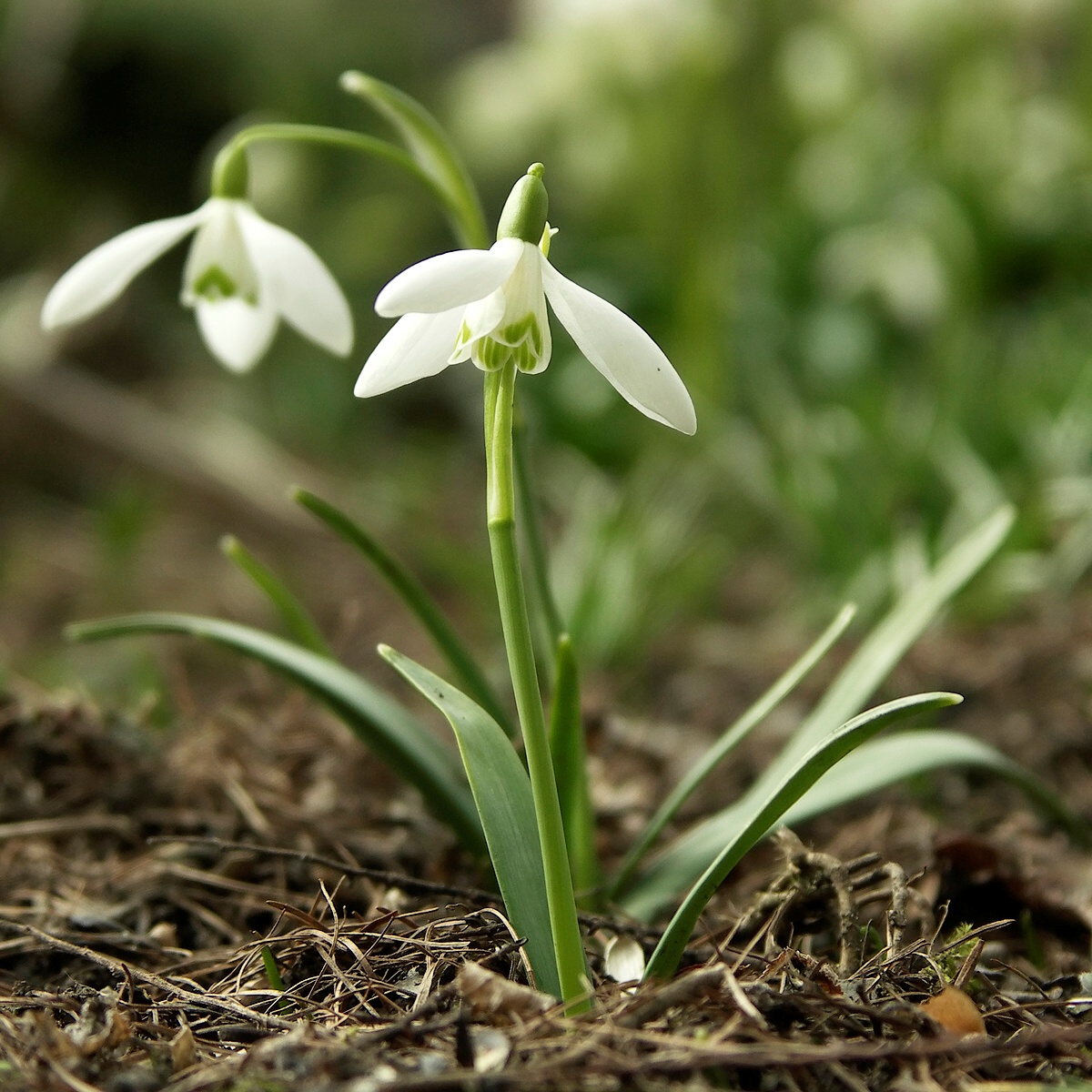 SnowdropWhite bell-shaped flowers that bloom at the end of winter
 NarcissusSpring-flowering bulbs with trumpet-shaped blooms in white, yellow, and orange
 Lily-of-the-valleyA woodland plant with sweet-scented white bell flowers in late spring
 RoseWoody perennial plants with showy, often fragrant flowers in many colours
 GladiolusTall, showy flower spikes grown from corms, known as sword lilies
 ChrysanthemumAutumn-blooming flower with thousands of varieties, cherished in East Asia and beyond
Also part of it, and being written: Bellis perennis.
Sources and further reading
Original text by the Phool desk, written with AI assistance. Customs vary from place to place. If we have something wrong, tell us.
Photo credits on this page
The small pictures above come from Wikimedia Commons under free licences. Some are cropped to fit.
- Rose: User:Tigerente, CC BY-SA 3.0, source
- Chrysanthemum: Muhammad Mahdi Karim, GFDL 1.2, source
- Snowdrop: Unknown author, CC BY-SA 3.0, source
- Lily-of-the-valley: Salicyna, CC BY-SA 4.0, source
- Dianthus: Darkone ( talk · contribs ), CC BY-SA 1.0, source
- Gladiolus: Gere72, CC BY-SA 3.0, source
- Narcissus: Uberprutser, CC BY-SA 3.0, source
- language of flowers: Alphonse Mucha, Public domain, source