
Narcissus
Spring-flowering bulbs with trumpet-shaped blooms in white, yellow, and orange
Narcissus is a group of perennial bulbs known for their showy, trumpet-like flowers, usually in shades of yellow and white. Native to southern Europe and North Africa, these plants are widely grown in gardens and as cut flowers, and have a long history in culture, medicine, and symbolism.
- Narcissus flowers have a trumpet-shaped corona and six petal-like tepals.
- Native to southern Europe and North Africa, now grown worldwide.
- Daffodil is the national flower of Wales.
- All parts of the plant are toxic if eaten.
- Thousands of garden varieties exist, in many shapes and colours.
What does Narcissus look like?
Narcissus plants grow from brown, ovoid bulbs and send up strap-shaped green or blue-green leaves. Their hollow, leafless stems carry one or more large, conspicuous flowers. Each flower has six petal-like tepals and a central cup or trumpet called the corona. Most blooms are yellow or white, but garden varieties can show orange, pink, or even green. Some species have a single flower per stem, while others form clusters. The flowers may be upright or nodding, and some are fragrant.
Where does Narcissus come from?
Narcissus originated in the Iberian Peninsula and nearby regions of southwest Europe during the Late Oligocene to Early Miocene. The genus spread naturally across southern Europe and North Africa, and was introduced to East Asia before the 10th century. Ancient civilizations knew narcissi for both their beauty and medicinal qualities. Carl Linnaeus formally described the genus in 1753. Over time, the plants have been widely grown and naturalized, with the Netherlands becoming a major centre for their cultivation by the 19th century.
When and how Narcissus blooms
Narcissus bulbs are dormant through summer and sprout in late winter or early spring. They grow best in meadows and woods, and are usually planted as bulbs in gardens. Each year, the bulb produces new leaves and a stem, which can bear a single flower or a cluster. After flowering, the leaves die back and the bulb rests until the next season. The plants are pollinated by insects and can multiply by bulb division.


How Narcissus is used
People grow narcissi for their bright spring flowers in gardens and as cut flowers. They are popular in wedding bouquets, home decoration, and as gifts. Some species have been used in traditional medicine, though all parts of the plant are toxic if eaten. Narcissus is the national flower of Wales and a symbol for cancer charities. Wild narcissi are celebrated in spring festivals in several countries.
Kinds of Narcissus
There are about 70–80 species and many thousands of cultivars of Narcissus. These include trumpet daffodils, jonquils, and poeticus types, each with different flower shapes, sizes, and colours. Some species, like N. tazetta, can bear many flowers per stem, while others, like N. poeticus, are known for their fragrance and distinctive red-edged corona. Gardeners and breeders have created a wide range of forms for ornamental use.
What Narcissus means
Narcissus has many meanings in different cultures, from death and rebirth to good fortune and hope. In Wales, the daffodil is a national emblem. The flower is linked to spring festivals and is used as a symbol by cancer charities. The name is often associated with the Greek myth of Narcissus, a youth who fell in love with his own reflection. Some species are threatened in the wild due to habitat loss.
Where Narcissus is used and seen
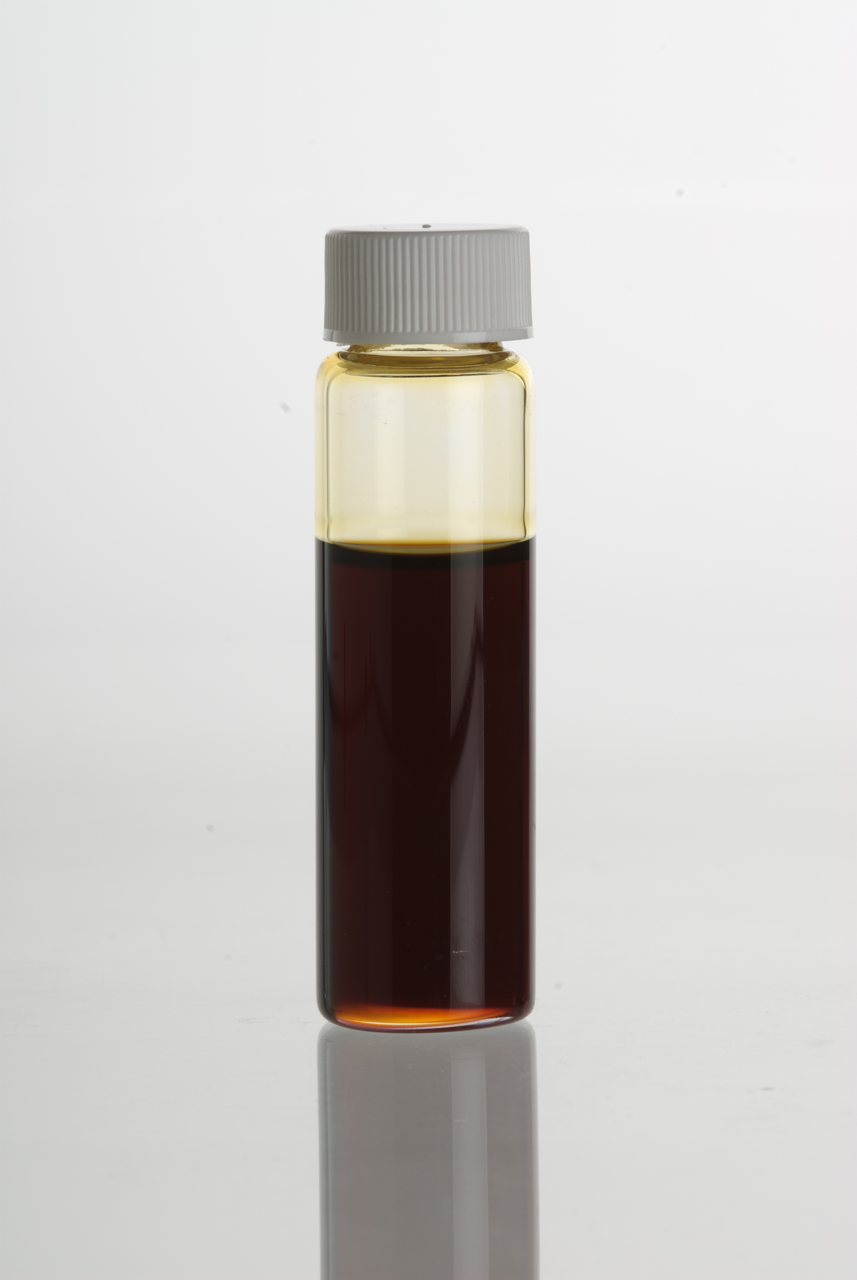 AbsoluteA concentrated aromatic plant extract used in perfumery
 Dandenong Ranges Botanic GardenA cool-climate garden in the hills near Melbourne, famous for rhododendrons and cherry blossom
 Indira Gandhi Memorial Tulip GardenAsia’s largest tulip garden on the slopes above Dal Lake in Srinagar
 KeukenhofA vast Dutch flower garden famous for its spring tulip displays
 ChabanaSimple flower arrangements for the Japanese tea ceremony
 History of flower arrangementHow arranging flowers became an art across cultures and centuries
 Dunham Massey HallA historic English country house with formal gardens and a deer park
 ChapletA ring-shaped headpiece woven from flowers, leaves, or twigs
Traditions that use it
Where to see Narcissus
🇮🇳 Srinagar · Mar to AprTulip garden of SrinagarA hillside of tulips above Dal Lake, open for only a few weeks each spring. 🇯🇵 Hitachinaka · Apr to OctNemophila hill at Hitachi Seaside ParkA hill by the Pacific covered in small sky-blue flowers in spring and red kochia bushes in autumn.
 🇦🇺 Canberra · Sep to OctFloriade in CanberraAustralia's big spring bulb show, a month of tulips and annuals in a lakeside park.
 🇳🇿 Christchurch · Jan to DecChristchurch Botanic Gardens and Hagley ParkThe heart of New Zealand's Garden City, set in a loop of the Avon river.
🇳🇱 Lisse · Apr to MayThe bulb fields of the Bollenstreek in bloomLong stripes of hyacinth, daffodil and tulip on the sandy flats between Haarlem and Leiden, at their best in mid to late April.
🇳🇿 Christchurch · Jan to DecChristchurch Botanic Gardens and Hagley ParkThe heart of New Zealand's Garden City, set in a loop of the Avon river.
🇳🇱 Lisse · Apr to MayThe bulb fields of the Bollenstreek in bloomLong stripes of hyacinth, daffodil and tulip on the sandy flats between Haarlem and Leiden, at their best in mid to late April. 🇳🇱 Amsterdam · All yearThe floating Bloemenmarkt on the SingelA row of flower stalls built on barges along Amsterdam's Singel canal, selling bulbs, seeds and cut tulips.
Questions people ask about Narcissus
Where does Narcissus come from?
Narcissus originated in the Iberian Peninsula and southwest Europe, with its native range covering southern Europe and North Africa. It has since spread and been cultivated in many parts of the world.
What does a Narcissus flower look like?
Narcissus flowers have six petal-like tepals and a central cup or trumpet called the corona. They are usually yellow or white, but garden types can be orange, pink, or green. Some have a single flower per stem, others have clusters.
Is Narcissus poisonous?
Yes, all parts of the Narcissus plant contain toxic alkaloids and can be poisonous if eaten. This toxicity has also led to some traditional medicinal uses, but the plant should not be ingested.
What does Narcissus symbolise?
Narcissus symbolises different things in various cultures, including spring, rebirth, good fortune, and hope. In Wales, the daffodil is a national emblem, and the flower is also a symbol for cancer charities.
How is Narcissus used by people?
Narcissus is widely grown as a garden and cut flower, used in weddings, festivals, and as gifts. It is also featured in spring celebrations and has a history of use in traditional medicine.
Good reading and sources
- Encyclopaedia BritannicaArticle
- BBC NEWS | England | SuffolkBBC, Article
- J Edgar Hoover as a visionary vigilante? DonThe Guardian, Article
- Plants of the World OnlineRoyal Botanic Gardens, Kew, Plant database
- Where it has been recordedGBIF, Plant database
- Sightings and photos by naturalistsiNaturalist, Plant database
- Narcissus (plant) on WikipediaEncyclopedia
- More photos on Wikimedia CommonsPhotos
- Wikidata recordOpen data
The facts on this page come from the Wikipedia article "Narcissus (plant)", written by its contributors and used under the CC BY-SA 4.0 licence, and from its Wikidata record (CC0). Phool rewrote the text in its own words, with AI assistance, and compares every page with the article to make sure no passage is copied. It may be reused under the same CC BY-SA 4.0 licence with a link back.
It may contain mistakes. It is not medical or foraging advice: many flowers are poisonous, and traditional uses are reported, not recommended. If something is wrong, tell us. Last refreshed 2026-10-03.
Others in the family Amaryllidaceae
The whole family Allium
The genus of onions, garlic, leeks, chives and their wild relatives
Allium · Wildflower
Allium
The genus of onions, garlic, leeks, chives and their wild relatives
Allium · Wildflower
 Wild GarlicAllium ursinum
A wild woodland plant with star-shaped white flowers and edible leaves
🇮🇪 Ireland · Wildflower
Wild GarlicAllium ursinum
A wild woodland plant with star-shaped white flowers and edible leaves
🇮🇪 Ireland · Wildflower
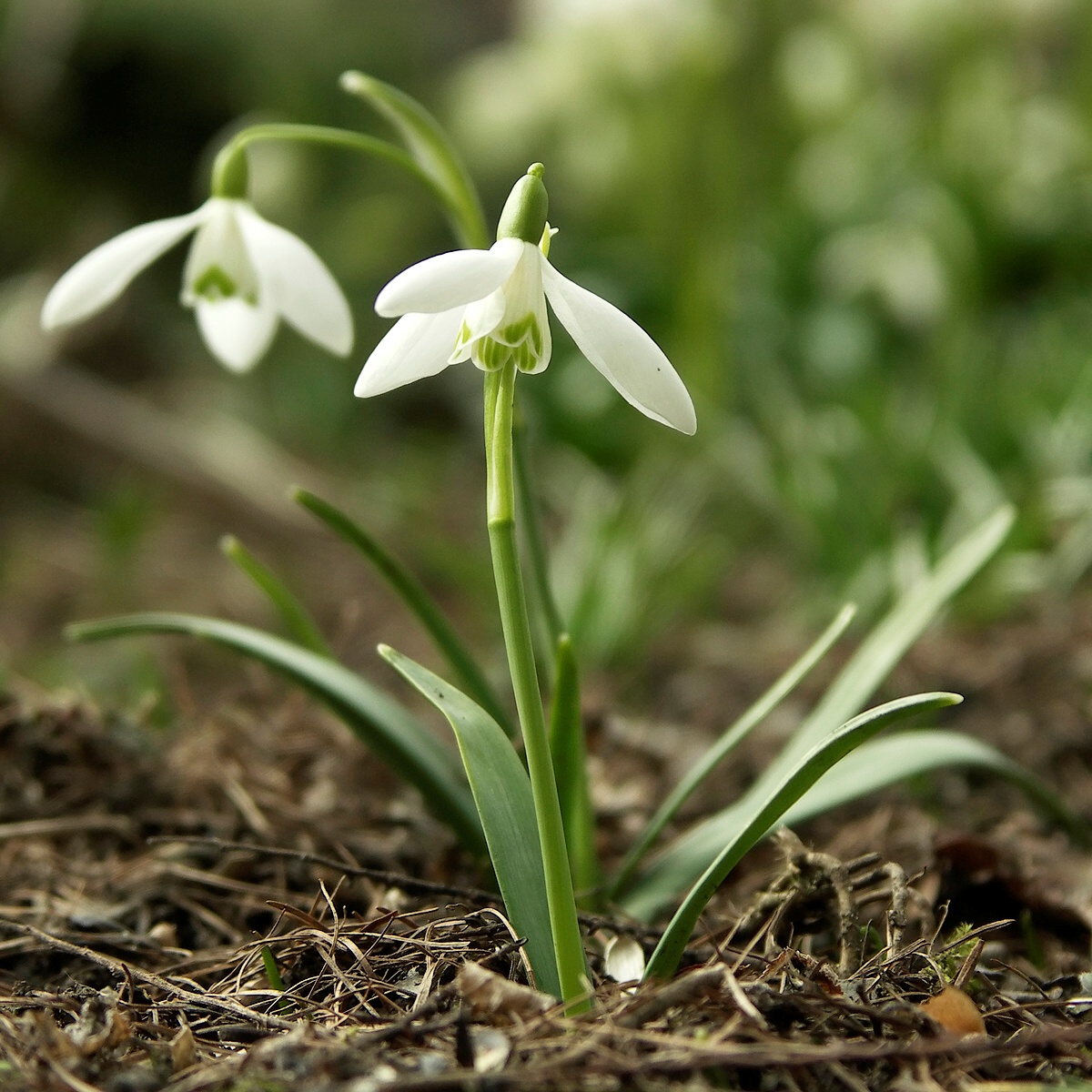 SnowdropGalanthus
White bell-shaped flowers that bloom at the end of winter
🇹🇷 Turkey and 7 more · Wildflower
SnowdropGalanthus
White bell-shaped flowers that bloom at the end of winter
🇹🇷 Turkey and 7 more · Wildflower
 Giant snowdropGalanthus elwesii
A tall, early-blooming snowdrop from the Balkans and Asia Minor
🇹🇷 Turkey and 5 more · Wildflower
Giant snowdropGalanthus elwesii
A tall, early-blooming snowdrop from the Balkans and Asia Minor
🇹🇷 Turkey and 5 more · Wildflower
More from the United Kingdom
All the flowers of the United Kingdom HawthornCrataegus
A thorny shrub or tree with white or pink spring flowers and small edible fruits
🇮🇪 Ireland and 7 more · Wildflower
HawthornCrataegus
A thorny shrub or tree with white or pink spring flowers and small edible fruits
🇮🇪 Ireland and 7 more · Wildflower
 BlackthornPrunus spinosa
A spiny shrub with white spring flowers and tart blue-black fruit
🇬🇧 United Kingdom and 7 more · Wildflower
BlackthornPrunus spinosa
A spiny shrub with white spring flowers and tart blue-black fruit
🇬🇧 United Kingdom and 7 more · Wildflower
 Common poppyPapaver rhoeas
The vivid red wildflower of fields and remembrance
🇨🇳 China and 7 more · Wildflower
Common poppyPapaver rhoeas
The vivid red wildflower of fields and remembrance
🇨🇳 China and 7 more · Wildflower
 Dog roseRosa canina
A wild climbing rose with pale pink flowers and bright red hips
🇮🇪 Ireland and 7 more · Wildflower
Dog roseRosa canina
A wild climbing rose with pale pink flowers and bright red hips
🇮🇪 Ireland and 7 more · Wildflower