
Dunham Massey Hall
A historic English country house with formal gardens and a deer park
Dunham Massey Hall is a large country house in Greater Manchester, England, known for its formal gardens and medieval deer park. Now managed by the National Trust, it features collections of art and silver, and welcomes visitors to its house, gardens, and extensive parkland.
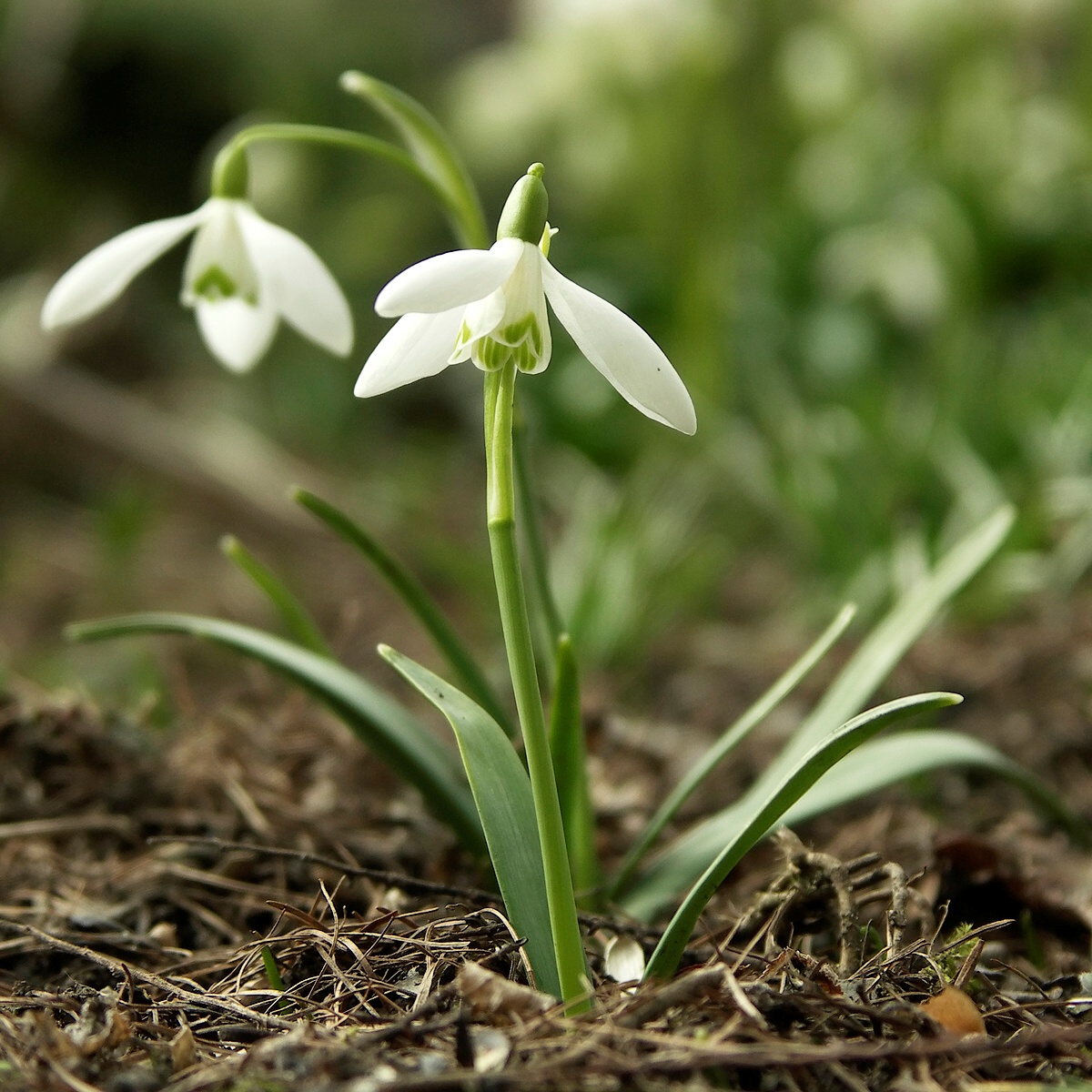
- Home to Britain's largest winter garden with snowdrops and daffodils
- Features a 300-acre medieval deer park
- Holds a major collection of Huguenot silver
- Was a military hospital during World War I
- Owned by the National Trust since 1976
What is Dunham Massey Hall?
Dunham Massey Hall is a grand country house surrounded by formal gardens and a large deer park. Visitors find a brick mansion with stone details, set within landscaped grounds that include lawns, flower beds, and woodland. The gardens are home to hundreds of plant species, and the deer park features herds of fallow deer. The estate also contains historic buildings such as a chapel, stables, and a watermill, along with collections of art and silver inside the house.
The history of Dunham Massey Hall
The first mansion at Dunham Massey was begun in the early 1600s and completed later that century. Over the years, the house and estate passed through several generations of the Booth and Grey families, with major rebuilding and redesign in the 18th century. The landscape was shaped by owners such as Lady Mary Booth, and the gardens reflect changes from the 18th century onwards. The estate was given to the National Trust in 1976, becoming one of its most significant properties.
What there is to see
The gardens at Dunham Massey are carefully maintained and feature a wide variety of trees, shrubs, and seasonal flowers. The Winter Garden, in particular, is planted with snowdrops, daffodils, and bluebells, offering color in the colder months. The deer park, dating back to medieval times, is managed to support both wildlife and visitors. The house and outbuildings have been restored and adapted for public access, with displays and exhibitions inside.


When to go
Dunham Massey Hall is open to the public as a historic house and garden. People visit to explore the interiors, collections, and extensive grounds. The estate is also a wildlife habitat, especially for deer. During World War I, the house served as a military hospital. The gardens and park are popular for walks, seasonal displays, and learning about local history.
Parts and collections
The estate includes several notable features: the Winter Garden, which is the largest of its kind in Britain; a medieval deer park; and a collection of historic buildings such as the chapel, carriage house, and watermill. The house itself has seen various architectural changes, with different wings and interiors reflecting the tastes of its owners over centuries.
Why Dunham Massey Hall matters
Dunham Massey is recognized as a Grade I listed building and its gardens and park are also protected for their historical importance. Its collections include Huguenot silver and significant artworks. The estate has played roles in local and national history, from aristocratic life to wartime service as a hospital. It remains a popular destination for visitors interested in heritage, gardens, and wildlife.
The flowers of Dunham Massey Hall

Questions people ask about Dunham Massey Hall
Where is Dunham Massey Hall located?
Dunham Massey Hall is in the parish of Dunham Massey, within Trafford, Greater Manchester, England. It is set in a large estate with gardens and parkland.
What can visitors see at Dunham Massey Hall?
Visitors can explore the historic house, formal gardens, and a large deer park. The estate also features a chapel, stables, a watermill, and collections of art and silver.
What is Dunham Massey Hall known for?
It is known for its historic architecture, extensive gardens, medieval deer park, and significant collections. The Winter Garden is especially famous for its snowdrops and other early flowers.
Has Dunham Massey Hall played any role in history?
Yes, during World War I, it served as the Stamford Military Hospital. The estate has also been shaped by several generations of the Booth and Grey families and is now managed by the National Trust.
Who owns Dunham Massey Hall now?
Since 1976, Dunham Massey Hall and its estate have been owned and managed by the National Trust, a conservation charity in the United Kingdom.
Good reading and sources
- Official websiteOfficial site
- Dunham MasseyNational Trust, Article
- A walk in the grounds of Dunham MasseyThe Guardian, Article
- 'Degrading' Dunham Massey Hall statue removedBBC, Article
- Dunham Massey Hall on WikipediaEncyclopedia
- More photos on Wikimedia CommonsPhotos
- Wikidata recordOpen data
The facts on this page come from the Wikipedia article "Dunham Massey Hall", written by its contributors and used under the CC BY-SA 4.0 licence, and from its Wikidata record (CC0). Phool rewrote the text in its own words, with AI assistance, and compares every page with the article to make sure no passage is copied. It may be reused under the same CC BY-SA 4.0 licence with a link back.
It may contain mistakes. Opening times, prices and bloom dates change: check with the place before you travel. If something is wrong, tell us. Last refreshed 2026-10-03.
More of the same kind
 Place
AlhambraLa Alhambra
Medieval palace and fortress complex overlooking Granada, Spain
Granada, 🇪🇸 Spain · Flower garden
Place
AlhambraLa Alhambra
Medieval palace and fortress complex overlooking Granada, Spain
Granada, 🇪🇸 Spain · Flower garden
 Place
Chashme Shahi
A Mughal garden built around a spring in Srinagar, Kashmir
Srinagar, 🇮🇳 India · Flower garden, Mar to Nov
Place
Chashme Shahi
A Mughal garden built around a spring in Srinagar, Kashmir
Srinagar, 🇮🇳 India · Flower garden, Mar to Nov
 Place
Yadavindra Gardens
A 17th-century Mughal garden with seven terraces in Pinjore, Haryana
Panchkula, 🇮🇳 India · Flower garden, Apr to Dec
Place
Yadavindra Gardens
A 17th-century Mughal garden with seven terraces in Pinjore, Haryana
Panchkula, 🇮🇳 India · Flower garden, Apr to Dec
 Place
Shalimar Bagh
A Mughal-era garden of terraces, fountains and chinar trees by Dal Lake, Srinagar
Srinagar, 🇮🇳 India · Flower garden
Place
Shalimar Bagh
A Mughal-era garden of terraces, fountains and chinar trees by Dal Lake, Srinagar
Srinagar, 🇮🇳 India · Flower garden
More from the United Kingdom
All the flowers of the United Kingdom Place
Royal Botanic Gardens, Kew
London’s world-renowned botanical gardens and plant science centre
Kew, 🇬🇧 United Kingdom · Botanical garden
Place
Royal Botanic Gardens, Kew
London’s world-renowned botanical gardens and plant science centre
Kew, 🇬🇧 United Kingdom · Botanical garden
 Place
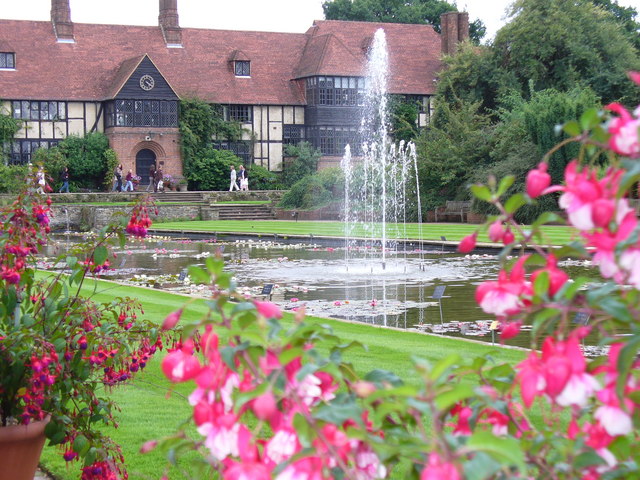
RHS Garden Wisley
A major English garden with glasshouses, borders and plant trials in Surrey
Wisley, 🇬🇧 United Kingdom · Botanical garden
Place
RHS Garden Wisley
A major English garden with glasshouses, borders and plant trials in Surrey
Wisley, 🇬🇧 United Kingdom · Botanical garden
 Place
Hestercombe House
Historic house and gardens in Somerset with Georgian, Victorian, and Edwardian designs
Cheddon Fitzpaine, 🇬🇧 United Kingdom · Flower garden
Place
Hestercombe House
Historic house and gardens in Somerset with Georgian, Victorian, and Edwardian designs
Cheddon Fitzpaine, 🇬🇧 United Kingdom · Flower garden
 Place
RHS Garden Bridgewater
A 154-acre public garden on the former Worsley New Hall estate in Salford, England
Salford, 🇬🇧 United Kingdom · Flower garden
Place
RHS Garden Bridgewater
A 154-acre public garden on the former Worsley New Hall estate in Salford, England
Salford, 🇬🇧 United Kingdom · Flower garden