
Common poppy
Papaver rhoeas, family Papaveraceae
The vivid red wildflower of fields and remembrance
The common poppy is an annual wildflower with bright red petals, often marked with a black spot, found in fields and grasslands across Europe, North Africa, and temperate Asia. Known for its striking blooms and as a symbol of remembrance, it is also grown in gardens and used for edible seeds, dye, and traditional remedies.
- Blooms with vivid red petals, often marked with a black spot
- Symbol of remembrance for fallen soldiers since World War I
- Seeds are edible and used in pastries in Eastern Europe
- Petals yield a red dye for medicines and wine
- County flower of Essex and Norfolk in England
What does Common poppy look like?
The common poppy is an upright annual plant, reaching up to 70 cm tall. Its stems are covered with coarse hairs. Each stem holds a single flower, 5–10 cm across, with four vivid red petals that often have a black spot at the base. The petals overlap slightly and last only a day. The plant produces many flowers in a season. Its seed capsules are smooth and egg-shaped. Cultivated forms can have pink, orange, yellow, or white flowers. When the plant is damaged, it releases a white to yellowish sap.
Where does Common poppy come from?
Papaver rhoeas grows wild across north Africa, temperate Eurasia, and parts of Asia, often in disturbed soils like fields and roadsides. Its exact origin is uncertain, but it has been linked with agriculture since ancient times. The species was formally described by Carl Linnaeus in 1753. Over time, it has spread to temperate regions worldwide, thriving as a weed and as a garden flower. The name 'poppy' comes from Latin and Greek roots.
When and how Common poppy blooms
The common poppy flowers mainly from late spring through autumn, especially where the weather is warm. It grows from seed, often germinating after the soil is disturbed. The plant prefers open, sunny spots and tolerates a range of soils. Garden varieties are raised from seed, and some, like the Shirley poppy, have been bred for new colours. The plant forms a long-lived seed bank, allowing it to reappear when conditions are right.


How Common poppy is used
People grow the common poppy for its bright flowers in gardens and wildflower mixes. Its black seeds are edible and used in some breads and pastries, though most culinary poppy seeds come from a related species. The petals yield a red dye for medicines and wine, and dried petals colour potpourri. In folk medicine, poppy petals were used for syrup and mild remedies. The flower is a major symbol of remembrance for fallen soldiers, especially in the Commonwealth.
Kinds of Common poppy
Several forms of Papaver rhoeas exist. The Shirley poppy is a garden cultivar with pastel and mixed colours. The variety himerense is native to Sicily, while the subspecies polytrichum grows in the eastern Mediterranean. A nearly black hybrid, 'Evelina', was bred in Italy but is not widely available. Wild forms are usually red, but cultivated poppies can be pink, white, orange, or yellow.
What Common poppy means
The common poppy is a powerful symbol. Since World War I, it has stood for remembrance of soldiers who died in war, especially in the UK and Commonwealth countries. In China, it is linked to the legend of Consort Yu and symbolizes loyalty unto death. In Persian and Urdu poetry, the red poppy stands for love and martyrdom. The flower appears on coins, stamps, and banknotes, and is the county flower of Essex and Norfolk in England.
Traditions that use it
Where to see Common poppy
 🇯🇵 Furano · Jun to AugLavender fields of FuranoHillside lavender farms in central Hokkaido, at their purple best in July.
 🇮🇹 Pienza · Jun to JulSunflower fields of the Val d'OrciaRolling Tuscan farmland south of Siena where sunflower fields open from late June between wheat, cypress and clay hills.
 🇮🇹 Castelluccio di Norcia · May to JulThe flowering of the Castelluccio plainA high plain in the Sibillini mountains where lentil fields and their wild flowers colour the ground in bands from late May.
Days and festivals
Questions people ask about Common poppy
Where does the common poppy come from?
The common poppy is native to north Africa and temperate Eurasia, but it now grows wild across Europe, parts of Asia, and North Africa, and has spread to temperate regions worldwide.
What does the common poppy symbolise?
It is widely known as a symbol of remembrance for soldiers who died in war, especially since World War I. In China, it represents loyalty unto death, and in Persian and Urdu poetry, it stands for love and martyrdom.
What does the common poppy look like?
It is an upright annual plant with coarse-haired stems and large, vivid red flowers, usually with a black spot at the base of each petal. Cultivated varieties can also be pink, orange, yellow, or white.
Are the seeds of the common poppy edible?
Yes, the black seeds are edible and sometimes used in bread and pastries, especially in Eastern European countries, though most commercial poppy seeds come from a related species.
When does the common poppy flower?
In the northern hemisphere, it generally flowers from May to October, mostly in late spring and summer, but can also bloom in early autumn if the weather is warm.
Good reading and sources
- Encyclopaedia BritannicaArticle
- Flanders poppy 'a symbol of heroism, not of opium'South China Morning Post, Article
- Plants of the World OnlineRoyal Botanic Gardens, Kew, Plant database
- Where it has been recordedGBIF, Plant database
- Sightings and photos by naturalistsiNaturalist, Plant database
- Papaver rhoeas on WikipediaEncyclopedia
- More photos on Wikimedia CommonsPhotos
- Wikidata recordOpen data
The facts on this page come from the Wikipedia article "Papaver rhoeas", written by its contributors and used under the CC BY-SA 4.0 licence, and from its Wikidata record (CC0). Phool rewrote the text in its own words, with AI assistance, and compares every page with the article to make sure no passage is copied. It may be reused under the same CC BY-SA 4.0 licence with a link back.
It may contain mistakes. It is not medical or foraging advice: many flowers are poisonous, and traditional uses are reported, not recommended. If something is wrong, tell us. Last refreshed 2026-10-03.
Others in the family Papaveraceae
The whole family Opium poppyPapaver somniferum
A tall annual poppy grown for seeds, opium, and striking garden flowers
🇨🇳 China and 2 more · Wildflower
Opium poppyPapaver somniferum
A tall annual poppy grown for seeds, opium, and striking garden flowers
🇨🇳 China and 2 more · Wildflower
 PoppyPapaver
A group of colourful wild and garden flowers with capsule fruits and many seeds
Papaver · Wildflower
PoppyPapaver
A group of colourful wild and garden flowers with capsule fruits and many seeds
Papaver · Wildflower
 Papaver bracteatum
Tall poppy with striking red blooms and a dark spot at the petal base
Papaver bracteatum · Wildflower
Papaver bracteatum
Tall poppy with striking red blooms and a dark spot at the petal base
Papaver bracteatum · Wildflower
 Meconopsis grandis
A blue-flowered poppy from the Himalayas grown for its striking blooms
🇧🇹 Bhutan and 3 more · Wildflower
Meconopsis grandis
A blue-flowered poppy from the Himalayas grown for its striking blooms
🇧🇹 Bhutan and 3 more · Wildflower
More from China
All the flowers of China PeachPrunus persica
A flowering fruit tree from China, grown for its pink blossoms and sweet fruit
🇨🇳 China and 7 more · Flowering tree
PeachPrunus persica
A flowering fruit tree from China, grown for its pink blossoms and sweet fruit
🇨🇳 China and 7 more · Flowering tree
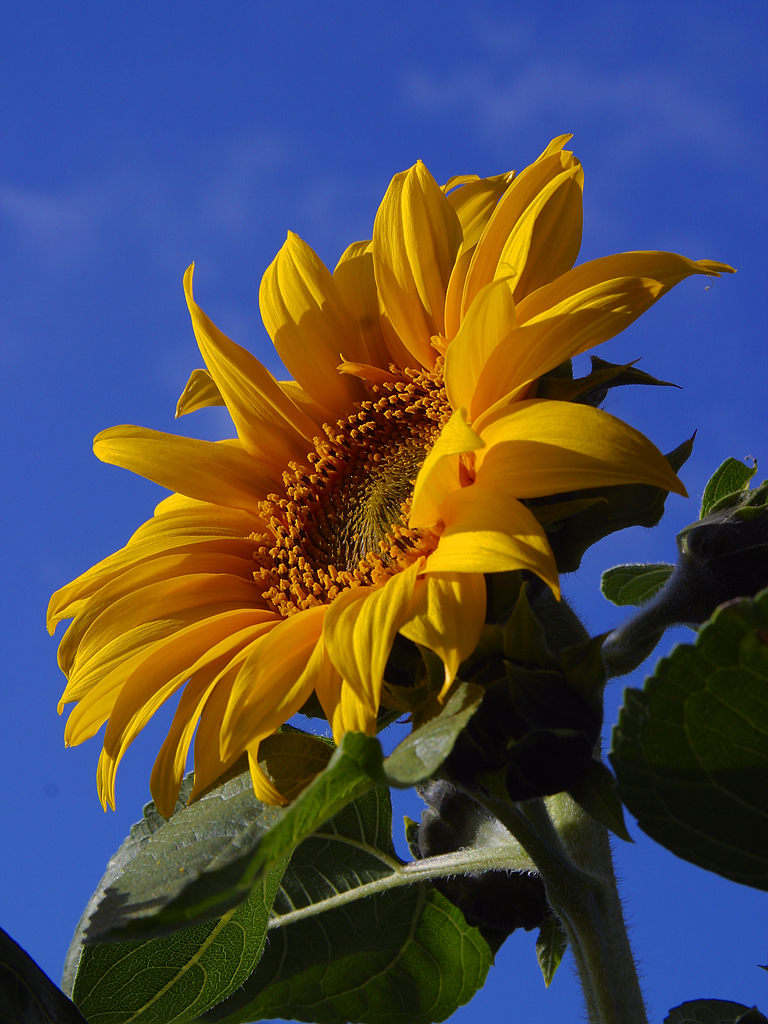 Common sunflowerHelianthus annuus
A tall annual plant grown for its large yellow flower heads and edible seeds
🇨🇦 Canada and 4 more · Wildflower
Common sunflowerHelianthus annuus
A tall annual plant grown for its large yellow flower heads and edible seeds
🇨🇦 Canada and 4 more · Wildflower
 PomegranatePunica granatum
A shrub with bright red flowers and a fruit full of edible seeds
🇮🇷 Iran and 9 more · Flowering shrub
PomegranatePunica granatum
A shrub with bright red flowers and a fruit full of edible seeds
🇮🇷 Iran and 9 more · Flowering shrub
 BirchBetula
Slender trees with papery bark found across the northern world
🇨🇳 China and 7 more · Wildflower
BirchBetula
Slender trees with papery bark found across the northern world
🇨🇳 China and 7 more · Wildflower