
Opium poppy
Papaver somniferum, family Papaveraceae
A tall annual poppy grown for seeds, opium, and striking garden flowers
The opium poppy is a tall annual plant with large, colourful blooms and round seed pods. Native to the Mediterranean, it is now grown worldwide for its seeds, ornamental flowers, and as a source of opium and other alkaloids used in medicine.
- Produces both edible seeds and opium for medicine
- Flowers can be red, white, mauve, or purple
- Native to the Mediterranean but grown worldwide
- Many cultivars bred for garden use or low opium content
- Seed pods are used in dried flower arrangements
What does Opium poppy look like?
Opium poppy plants grow up to a metre tall, with blue-green stems and lobed leaves. The flowers are large, usually with four petals, and come in shades of red, white, mauve, or purple. Some types have extra petals or unusual shapes. The plant forms round, smooth seed capsules after flowering. When cut, the whole plant releases a white sap.
Where does Opium poppy come from?
The opium poppy likely began in the Mediterranean region, but its exact origins are unclear due to thousands of years of cultivation and spread. Archaeological finds show its seeds in Bronze Age Europe. It was named by Carl Linnaeus in 1753 and has since developed many forms through human selection. Today, it grows wild or is cultivated in temperate regions around the world.
When and how Opium poppy blooms
This annual plant starts as a seedling, then forms a rosette of leaves, followed by a tall stem and flower buds. It blooms in summer. Farmers sow seeds in autumn or spring, depending on climate and soil. Some varieties are bred for high alkaloid content for medicine, others for low alkaloids for food, and many are grown for their flowers in gardens.


How Opium poppy is used
People grow opium poppies for several reasons: to harvest poppy seeds for food, to produce opium and related alkaloids for pharmaceuticals, and as ornamental plants in gardens. The dried seed pods are also used in floral arrangements. Some cultivars are bred to produce no opium at all, making them suitable for home gardens.
Kinds of Opium poppy
There are over 50 botanical varieties and many garden cultivars. Some have double or peony-like flowers, while others are grown for their unusual seed pods. The 'Sujata' type produces no sap. Subspecies and natural hybrids exist, such as those native to North Africa and southern Europe, and a hybrid found in France.
What Opium poppy means
The opium poppy has been part of human culture since the Neolithic era. Its seeds are used in food, while its sap is the source of opium and many medicines. The plant is at the centre of legal and policy debates due to its uses. It is also valued for its beauty in gardens and is the subject of ongoing breeding for both ornamental and practical purposes.
Traditions that use it
Questions people ask about Opium poppy
Where does the opium poppy come from?
The opium poppy is believed to have originated in the western and central Mediterranean, but its long history of cultivation has spread it across temperate regions worldwide.
What is the opium poppy used for?
It is grown for edible poppy seeds, as a source of opium and other alkaloids for pharmaceuticals, and as an ornamental flower in gardens. Some types are bred to produce no opium.
What does the opium poppy look like?
It is a tall annual with blue-green stems, large lobed leaves, and big flowers in red, white, mauve, or purple. The plant forms round seed pods after blooming.
Are there different kinds of opium poppy?
Yes, there are many varieties, including double-flowered types, those with unusual seed pods, and cultivars bred for either high or low alkaloid content.
Does the opium poppy have any special meaning or symbolism?
The opium poppy has a long history in human culture, valued for its seeds, medicinal uses, and beauty, but is also the focus of legal and policy debates due to its opium content.
Good reading and sources
- Encyclopaedia BritannicaArticle
- USDA Plants DatabaseUS Department of Agriculture, Article
- Plants of the World OnlineRoyal Botanic Gardens, Kew, Plant database
- Where it has been recordedGBIF, Plant database
- Sightings and photos by naturalistsiNaturalist, Plant database
- Papaver somniferum on WikipediaEncyclopedia
- More photos on Wikimedia CommonsPhotos
- Wikidata recordOpen data
The facts on this page come from the Wikipedia article "Papaver somniferum", written by its contributors and used under the CC BY-SA 4.0 licence, and from its Wikidata record (CC0). Phool rewrote the text in its own words, with AI assistance, and compares every page with the article to make sure no passage is copied. It may be reused under the same CC BY-SA 4.0 licence with a link back.
It may contain mistakes. It is not medical or foraging advice: many flowers are poisonous, and traditional uses are reported, not recommended. If something is wrong, tell us. Last refreshed 2026-10-03.
Others in the family Papaveraceae
The whole family Common poppyPapaver rhoeas
The vivid red wildflower of fields and remembrance
🇨🇳 China and 7 more · Wildflower
Common poppyPapaver rhoeas
The vivid red wildflower of fields and remembrance
🇨🇳 China and 7 more · Wildflower
 PoppyPapaver
A group of colourful wild and garden flowers with capsule fruits and many seeds
Papaver · Wildflower
PoppyPapaver
A group of colourful wild and garden flowers with capsule fruits and many seeds
Papaver · Wildflower
 Papaver bracteatum
Tall poppy with striking red blooms and a dark spot at the petal base
Papaver bracteatum · Wildflower
Papaver bracteatum
Tall poppy with striking red blooms and a dark spot at the petal base
Papaver bracteatum · Wildflower
 Prickly blue poppyMeconopsis horridula
A spiny blue poppy from the high Himalayas and western China
🇮🇳 India and 4 more · Wildflower
Prickly blue poppyMeconopsis horridula
A spiny blue poppy from the high Himalayas and western China
🇮🇳 India and 4 more · Wildflower
More from China
All the flowers of China PeachPrunus persica
A flowering fruit tree from China, grown for its pink blossoms and sweet fruit
🇨🇳 China and 7 more · Flowering tree
PeachPrunus persica
A flowering fruit tree from China, grown for its pink blossoms and sweet fruit
🇨🇳 China and 7 more · Flowering tree
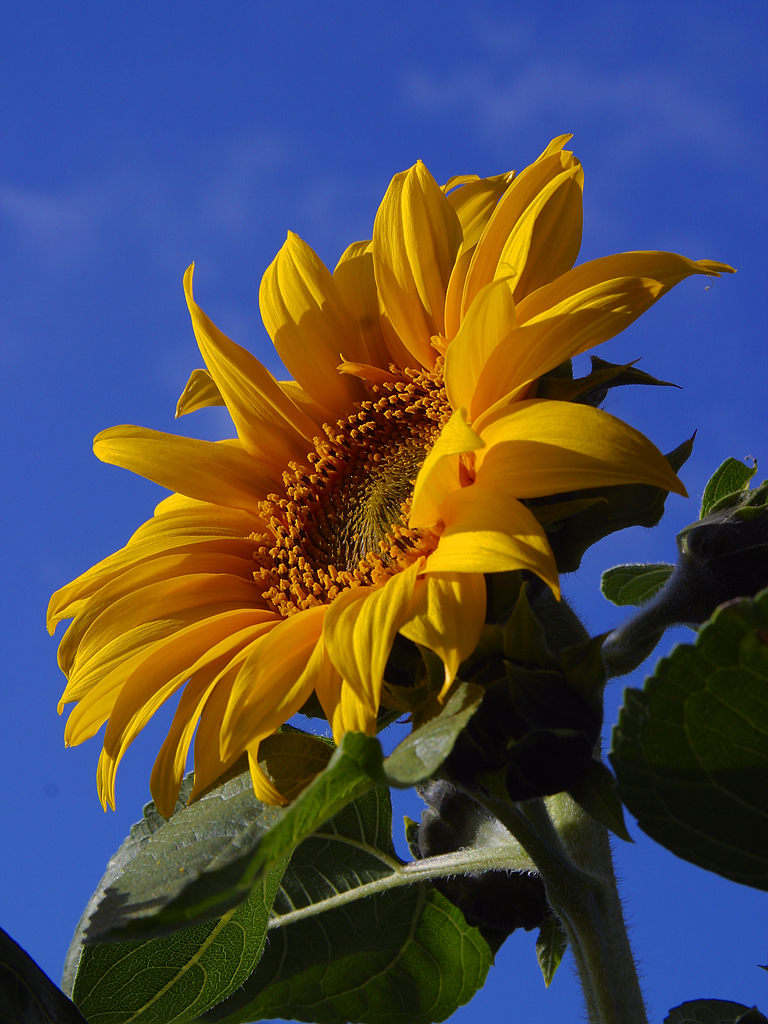 Common sunflowerHelianthus annuus
A tall annual plant grown for its large yellow flower heads and edible seeds
🇨🇦 Canada and 4 more · Wildflower
Common sunflowerHelianthus annuus
A tall annual plant grown for its large yellow flower heads and edible seeds
🇨🇦 Canada and 4 more · Wildflower
 PomegranatePunica granatum
A shrub with bright red flowers and a fruit full of edible seeds
🇮🇷 Iran and 9 more · Flowering shrub
PomegranatePunica granatum
A shrub with bright red flowers and a fruit full of edible seeds
🇮🇷 Iran and 9 more · Flowering shrub
 BirchBetula
Slender trees with papery bark found across the northern world
🇨🇳 China and 7 more · Wildflower
BirchBetula
Slender trees with papery bark found across the northern world
🇨🇳 China and 7 more · Wildflower