Garden traditions
Monastery, physic and botanic gardens
From the monks' herb plot to the university medicine garden to the tropical botanic garden: gardens made for knowledge.
Presented by ClearTrust Free for gardeners, florists, travellers and the curious.
Some gardens exist to be useful. Medieval monasteries grew healing herbs. Renaissance universities planted physic gardens, physic meaning medicine, to teach students to recognise the plants behind their drugs. From these grew the botanic garden, a living collection of labelled plants kept for study, conservation and public pleasure. Many of the flowers in our gardens passed through one.
The monastery garden
A monastery had to feed and heal its own community. A ninth-century plan kept at the abbey of St Gall in Switzerland shows a small square herb garden beside the infirmary, with a named bed for each plant, among them sage, rue, mint, rose and lily. Many plants served twice: the white Madonna lily and the red apothecary's rose were medicines and also symbols used to decorate the church. Monks copied and preserved the plant knowledge of Greek and Roman writers.
The physic garden
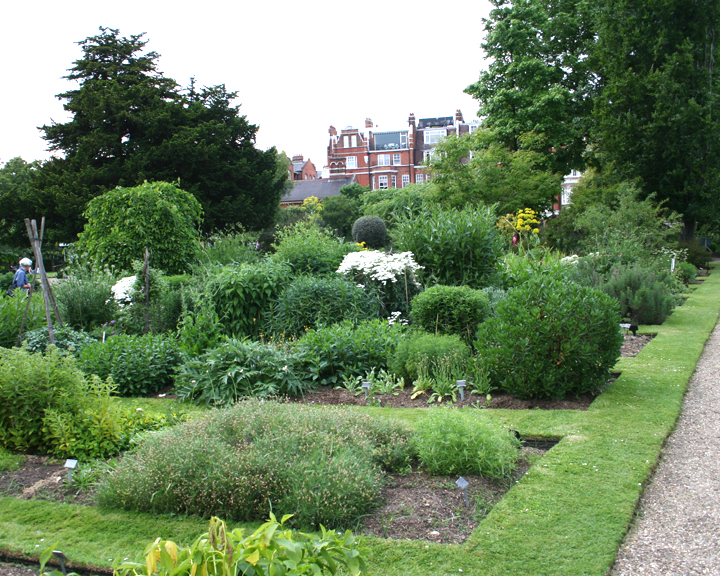
The first university gardens were founded in Italy in the 1540s, at Pisa and at Padua. Padua's is still on its original site and is a UNESCO World Heritage Site. Leiden followed in 1590 and Oxford in 1621. In 1673 the apothecaries of London set up the Chelsea Physic Garden beside the Thames to train their apprentices. Beds were laid out by the use of the plant or by its family, and each plant was labelled, a practice every botanic garden has kept.
The tropical botanic garden
In the eighteenth and nineteenth centuries European empires founded botanic gardens across the tropics, to test and move crops such as tea, rubber, cinchona and spices. The garden at Howrah near Kolkata dates from 1787. Others followed at Peradeniya in Sri Lanka, Bogor in Java, Pamplemousses in Mauritius, Rio de Janeiro and Singapore. That history is tied to colonial trade. Today these gardens are public parks and centres for the study and rescue of local plants, and Singapore's is known for breeding orchids.
What they are for now
A modern botanic garden keeps records for every plant: what it is and where it came from. It holds seed banks, grows endangered species, trains gardeners and scientists, and teaches schoolchildren. For a visitor, it is the best place to learn plant names, because everything is labelled. Many keep a medicinal bed in memory of their origin, where foxglove, opium poppy and other plants behind modern drugs grow side by side.
How to take part
- Pick up the map and look for the systematic or medicinal beds, where plants are grouped and labelled.
- Read the labels: the scientific name, the family and the place of origin.
- Join a free guided walk if one is offered. Volunteers know what is in flower that week.
- Visit the glasshouses or the orchid collection on a wet day.
Good manners
- Many plants in a physic garden are poisonous. Do not taste anything, and do not rub leaves and then touch your eyes.
- Never take seeds or cuttings. Collections are documented and some plants are very rare.
The flowers
 French roseA fragrant old rose with deep pink blooms, once central to European gardens
 FoxgloveTall spikes of bell-shaped, spotted flowers in purple, pink, white or yellow
 Opium poppyA tall annual poppy grown for seeds, opium, and striking garden flowers
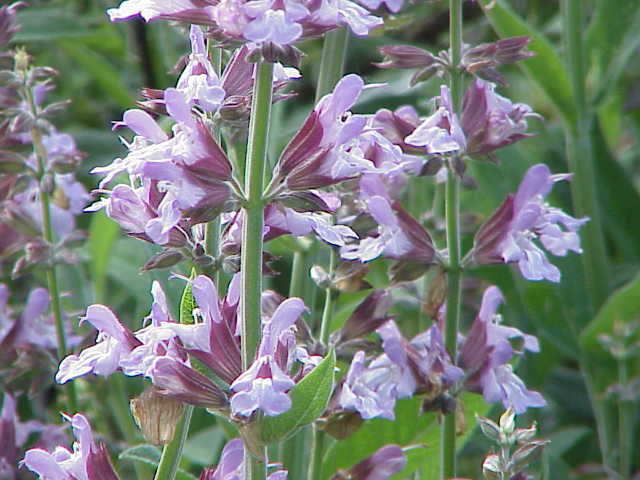 Common sageA Mediterranean herb with grey-green leaves and blue to purple flowers
Also part of it, and being written: Lilium candidum, Calendula officinalis, Catharanthus roseus.
Sources and further reading
Original text by the Phool desk, written with AI assistance. Customs vary from place to place. If we have something wrong, tell us.
Photo credits on this page
The small pictures above come from Wikimedia Commons under free licences. Some are cropped to fit.
- Chelsea Physic Garden: flickr user flickr-rickr, CC BY-SA 2.0, source
- Opium poppy: tanja niggendijker, CC BY 2.0, source
- Common sage: Kurt Stüber [1], CC BY-SA 3.0, source
- Foxglove: Bernd Haynold, CC BY-SA 3.0, source
- French rose: Unknown author, CC BY-SA 3.0, source