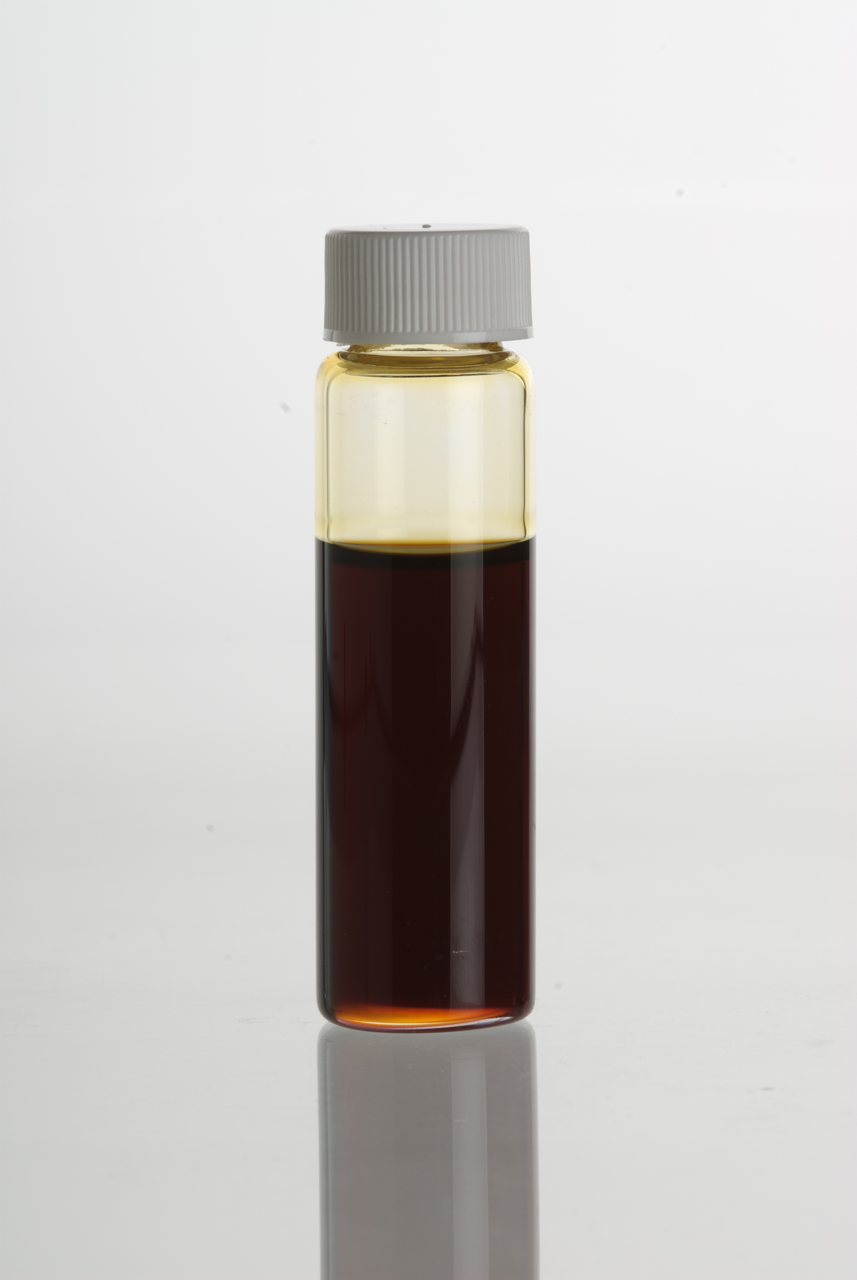
Absolute
A concentrated aromatic plant extract used in perfumery
An absolute is a highly aromatic, oily extract from plants, valued in perfumery for its strong scent. Unlike essential oils, absolutes are made by solvent extraction or enfleurage, making them suitable for delicate flowers like jasmine and rose. They are prized for their intense fragrance.
- Absolutes are highly concentrated plant extracts for perfumery.
- They are made by solvent extraction or enfleurage, not distillation.
- Used for delicate flowers like jasmine and rose.
- Absolutes can contain traces of solvents.
- They are prized for their rich, true-to-plant fragrance.
What is Absolute?
An absolute is a concentrated, oily extract taken from plants, especially flowers, for use in perfumes. It holds a high percentage of aromatic compounds, making it much more fragrant than most essential oils. Absolutes are usually liquid, with a rich and complex scent that closely matches the original plant. They are especially important for flowers whose scent cannot be captured by steam distillation, such as jasmine and rose.
Where does Absolute come from?
Absolutes originated as a way to extract fragrance from delicate or stubborn plant materials that do not yield their scent through distillation. The traditional method, enfleurage, involved absorbing the scent into fat, then extracting it with alcohol. Today, most absolutes are made by solvent extraction, which allows perfumers to obtain the true aroma of flowers and other botanicals. This method is especially important for flowers like jasmine, which cannot be distilled without losing their fragrance.
How Absolute is made
To make an absolute, plant material is first treated with a hydrocarbon solvent like hexane, producing a waxy substance called concrete. The concrete is then mixed with ethanol, which dissolves the aromatic compounds. Cooling and filtering removes waxes, and when the ethanol evaporates, the remaining oily liquid is the absolute. The process preserves the delicate scent of the original plant.
When and where Absolute is used
Absolutes are mainly used in high-end perfumery, where their intense and true-to-nature fragrance is valued. They are chosen for perfumes that require the full, rich scent of flowers like rose, jasmine, and tuberose. Some absolutes are also used in aromatherapy, but because traces of solvents may remain, not all are considered suitable for this purpose.
Forms of Absolute
Different absolutes are produced from a range of flowers and plant materials. Popular examples include rose absolute, jasmine absolute, tuberose absolute, and ylang-ylang absolute. Each absolute has its own unique scent profile, depending on the plant source and extraction method. Some, like tobacco or oakmoss absolute, are valued for their deep, earthy notes.
What Absolute means
Absolutes are prized in the world of fine fragrance for their ability to capture the true scent of flowers and botanicals. They are often among the most expensive ingredients in perfumery. The use of absolutes allows perfumers to create complex, natural-smelling scents that cannot be achieved with synthetic materials alone.
The flowers of Absolute
 RoseWoody perennial plants with showy, often fragrant flowers in many colours
 JasmineA group of fragrant shrubs and vines with white or yellow star-shaped flowers
 NarcissusSpring-flowering bulbs with trumpet-shaped blooms in white, yellow, and orange
 Sensitive PlantA touch-sensitive plant whose leaves fold up when disturbed
 GeraniumA group of wild and garden flowers with five-petaled blooms and lobed leaves
 PelargoniumA diverse group of flowering plants often grown as garden and house plants
 Ylang-ylangA tropical tree with highly fragrant yellow flowers used for perfume and decoration
 MimosaA group of plants with leaflets that react to touch or light
Questions people ask about Absolute
What is an absolute in perfumery?
An absolute is a concentrated, aromatic extract from plants, especially flowers, made by solvent extraction or enfleurage. It is used in perfumery for its strong and true-to-nature scent.
How is an absolute different from an essential oil?
Unlike essential oils, which are made by distillation or pressing, absolutes are produced by solvent extraction or enfleurage, resulting in a higher concentration of aromatic compounds and a scent closer to the original plant.
Which flowers are commonly used to make absolutes?
Flowers like jasmine, rose, tuberose, ylang-ylang, and mimosa are commonly used to make absolutes, as their scent cannot be captured well by distillation.
Where did the process of making absolutes originate?
The process began with traditional enfleurage, where flower scent was absorbed into fat and then extracted with alcohol. Modern methods use solvents for extraction.
Are absolutes safe for aromatherapy?
Some absolutes may contain traces of solvents, so not all are considered suitable for aromatherapy. They are mainly valued in perfumery.
Good reading and sources
The facts on this page come from the Wikipedia article "Absolute (perfumery)", written by its contributors and used under the CC BY-SA 4.0 licence, and from its Wikidata record (CC0). Phool rewrote the text in its own words, with AI assistance, and compares every page with the article to make sure no passage is copied. It may be reused under the same CC BY-SA 4.0 licence with a link back.
It may contain mistakes. If something is wrong, tell us. Last refreshed 2026-10-03.
More of the same kind
 Decoration
Corn dolly
Straw figures shaped for harvest customs across Europe
🇮🇪 Ireland and 3 more · Flower craft
Decoration
Corn dolly
Straw figures shaped for harvest customs across Europe
🇮🇪 Ireland and 3 more · Flower craft
 Decoration
Paisleyبته
A curved teardrop motif from Iran and India, now used worldwide on textiles
🇮🇷 Iran and 8 more · Art or design
Decoration
Paisleyبته
A curved teardrop motif from Iran and India, now used worldwide on textiles
🇮🇷 Iran and 8 more · Art or design
 Decoration
Butaبوته
A curved floral motif found in Persian, Indian, and Central Asian art and textiles
🇮🇷 Iran and 5 more · Art or design
Decoration
Butaبوته
A curved floral motif found in Persian, Indian, and Central Asian art and textiles
🇮🇷 Iran and 5 more · Art or design
 Decoration
Vase
An open container for holding and displaying cut flowers
Arrangement
Decoration
Vase
An open container for holding and displaying cut flowers
Arrangement