
Jasmine
Jasminum, family Oleaceae
A group of fragrant shrubs and vines with white or yellow star-shaped flowers
Jasmine is a group of about 200 species of shrubs and climbing plants in the olive family. These plants are grown for their sweet-smelling flowers, which are usually white or yellow. Jasmine is important in perfumes, ceremonies, and as national symbols in several countries across Asia and beyond.
- Jasmine flowers are prized for their strong, sweet fragrance.
- Jasmine is the national flower of Pakistan, Indonesia, the Philippines, and Tunisia.
- Egypt supplies much of the jasmine used in perfumes worldwide.
- Damascus is known as the City of Jasmine.
- Jasmine garlands are common in weddings and religious ceremonies.
What does Jasmine look like?
Jasmine plants can be upright, spreading, or climbing, with leaves that may be simple or divided into leaflets. Their flowers are small, about 2.5 cm across, and usually appear in clusters or sometimes alone at the tips of branches. Most blooms are white or yellow, though a few may have a reddish tint. Each flower has four to nine petals and gives off a rich, sweet scent that is especially noticeable in the evening.
Where does Jasmine come from?
Jasmine plants are found growing wild in the warmer parts of Asia, Africa, and Oceania, with the greatest variety in South and Southeast Asia. Some species have spread to other regions, such as the Mediterranean, where they have become naturalized. The name 'jasmine' comes from Persian and Arabic roots, entering European languages in the 16th century. Today, jasmine is grown widely for its flowers and scent.
When and how Jasmine blooms
Jasmine flowers appear in warm seasons, depending on the species and climate. They prefer mild, frost-free conditions and are often grown in gardens or as potted plants. Many types are started from cuttings or seeds. The flowers are picked early in the day for use in garlands, perfumes, or decoration, as their scent is strongest when fresh.


How Jasmine is used
People use jasmine flowers in many ways: woven into garlands for weddings and festivals, offered in religious ceremonies, or simply enjoyed in gardens and homes. The perfume industry relies on jasmine oil, much of which comes from Egypt. In places like Indonesia and the Philippines, jasmine is strung into garlands for special occasions and as a sign of respect.
Kinds of Jasmine
There are about 200 species in the Jasminum group, with some well-known kinds like Jasminum sambac, Jasminum grandiflorum, and Jasminum officinale. Some species, such as Jasminum polyanthum, are grown mainly for their showy flowers, while others, like Jasminum sambac, are valued for their intense fragrance and use in ceremonies.
What Jasmine means
Jasmine holds special meaning in many cultures. It is the national flower of Pakistan, Indonesia, the Philippines, and Tunisia. In Syria, Damascus is called the City of Jasmine. The flower is a symbol of purity, love, and respect, and is linked to important events and revolutions, such as Tunisia's Jasmine Revolution. Jasmine is also a popular girl's name in several languages.
Where Jasmine is used and seen
 GarlandA string or braid of flowers, leaves, or other materials for decoration or ceremony
 OnamKerala’s ten-day harvest festival with flower carpets, feasts and boat races
 AttarTraditional natural perfume oil distilled from flowers, herbs, and spicesEnfleurageA traditional French method for capturing flower fragrance in fat
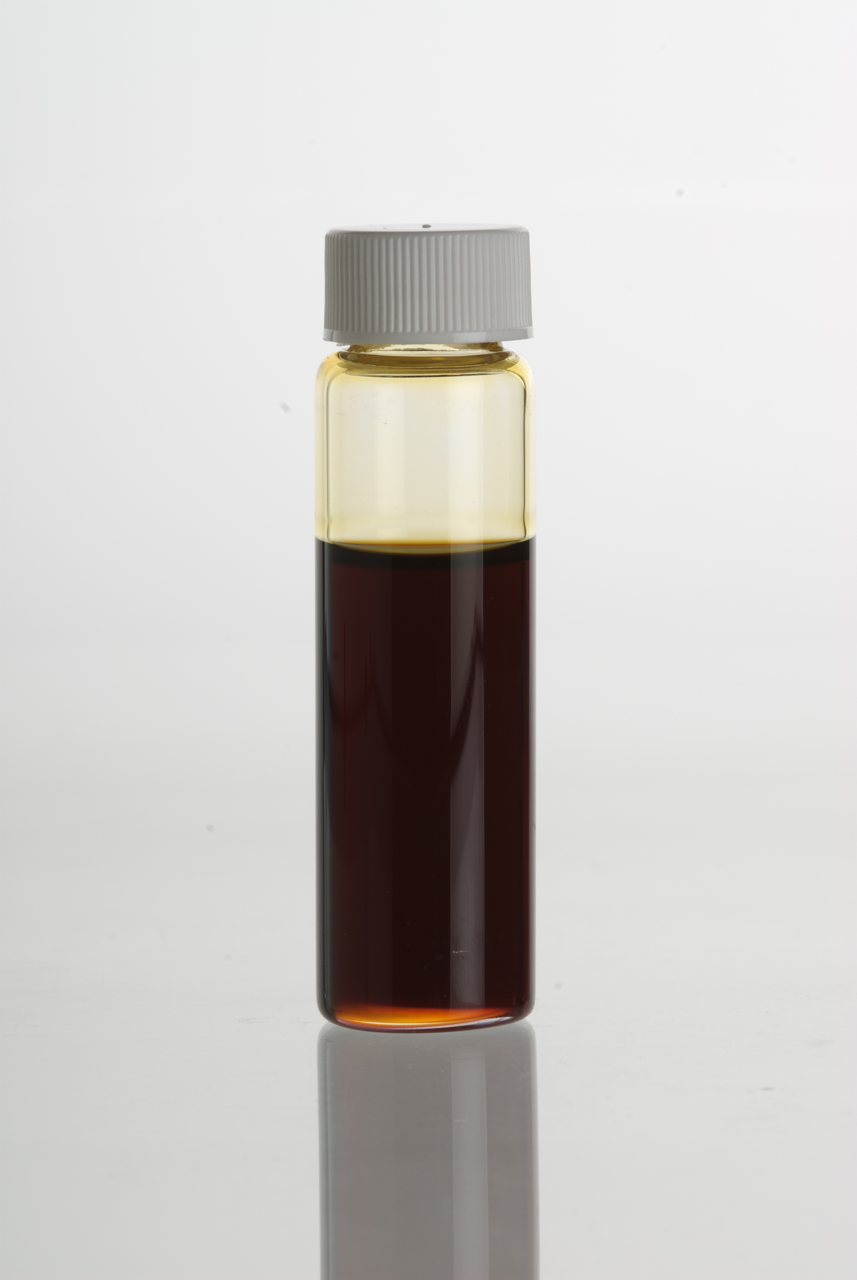 AbsoluteA concentrated aromatic plant extract used in perfumery
 KannaujHistoric city in Uttar Pradesh known for traditional attar and flower perfumes
 Agdal GardensHistoric walled orchards and gardens south of Marrakech's old city
 Phuang malaiThai floral garlands made for offerings, gifts, and ceremonies
Where to see Jasmine
 🇪🇸 Granada · Apr to OctThe Generalife gardens above the AlhambraThe summer estate of Granada's Nasrid rulers, where water channels run between roses, myrtle, jasmine and orange trees.
 🇪🇸 Córdoba · MayThe patios of Córdoba in MayFor two weeks each May, families in Córdoba's old quarters open their flower-filled courtyards to anyone who walks in.
Questions people ask about Jasmine
Where does jasmine come from?
Jasmine plants originally grow in warm regions of Asia, Africa, and Oceania, with the greatest variety found in South and Southeast Asia. Some species have spread to other parts of the world and are now grown widely.
What does jasmine symbolize?
Jasmine is often seen as a symbol of purity, love, and respect. It is used as a national flower in several countries and is linked to important cultural and political events, such as the Jasmine Revolution in Tunisia.
How is jasmine used?
Jasmine flowers are used for making garlands, in religious and wedding ceremonies, and in the perfume industry. They are also grown for their beauty and scent in gardens and homes.
What do jasmine flowers look like?
Jasmine blooms are small, star-shaped, and usually white or yellow. They grow in clusters or singly at the tips of branches and have a strong, sweet fragrance.
Are there different types of jasmine?
Yes, there are about 200 species in the Jasminum group, including well-known kinds like Jasminum sambac, Jasminum grandiflorum, and Jasminum officinale, each with its own features and uses.
Good reading and sources
- Encyclopaedia BritannicaArticle
- Index Nominum Genericorum (ING), Botany, Smithsonian InstitutionSmithsonian, Article
- USDA Plants DatabaseUS Department of Agriculture, Article
- Plants of the World OnlineRoyal Botanic Gardens, Kew, Plant database
- Where it has been recordedGBIF, Plant database
- Sightings and photos by naturalistsiNaturalist, Plant database
The facts on this page come from the Wikipedia article "Jasmine", written by its contributors and used under the CC BY-SA 4.0 licence, and from its Wikidata record (CC0). Phool rewrote the text in its own words, with AI assistance, and compares every page with the article to make sure no passage is copied. It may be reused under the same CC BY-SA 4.0 licence with a link back.
It may contain mistakes. It is not medical or foraging advice: many flowers are poisonous, and traditional uses are reported, not recommended. If something is wrong, tell us. Last refreshed 2026-10-03.
Others in the family Oleaceae
The whole family LilacSyringa
Fragrant spring-flowering shrubs and small trees grown for their showy clusters
Syringa · Flowering shrub
LilacSyringa
Fragrant spring-flowering shrubs and small trees grown for their showy clusters
Syringa · Flowering shrub
 Star jasmineJasminum multiflorum
A white, scentless jasmine used in Indian weddings and worship
🇮🇳 India and 6 more · Wildflower
Star jasmineJasminum multiflorum
A white, scentless jasmine used in Indian weddings and worship
🇮🇳 India and 6 more · Wildflower
 AbeliophyllumAbeliophyllum distichum
A rare Korean shrub with fragrant white spring flowers
Abeliophyllum distichum · Flowering shrub
Persian lilacSyringa × persica
A compact hybrid lilac with fragrant blooms for warmer climates
🇨🇳 China and 2 more · Garden flower
AbeliophyllumAbeliophyllum distichum
A rare Korean shrub with fragrant white spring flowers
Abeliophyllum distichum · Flowering shrub
Persian lilacSyringa × persica
A compact hybrid lilac with fragrant blooms for warmer climates
🇨🇳 China and 2 more · Garden flower
More from Pakistan
All the flowers of Pakistan PomegranatePunica granatum
A shrub with bright red flowers and a fruit full of edible seeds
🇮🇷 Iran and 9 more · Flowering shrub
PomegranatePunica granatum
A shrub with bright red flowers and a fruit full of edible seeds
🇮🇷 Iran and 9 more · Flowering shrub
 BaelAegle marmelos
A spiny tree with fragrant yellow-green flowers and hard-shelled aromatic fruit
🇮🇳 India and 6 more · Flowering tree
BaelAegle marmelos
A spiny tree with fragrant yellow-green flowers and hard-shelled aromatic fruit
🇮🇳 India and 6 more · Flowering tree
 Brown mustardBrassica juncea
A leafy mustard plant grown for greens, seeds, and oil across Asia and beyond
🇨🇳 China and 7 more · Wildflower
Brown mustardBrassica juncea
A leafy mustard plant grown for greens, seeds, and oil across Asia and beyond
🇨🇳 China and 7 more · Wildflower
 Marsh-marigoldCaltha palustris
A bright yellow wildflower of marshes and wet woodlands in cool climates
🇨🇳 China and 7 more · Wildflower
Marsh-marigoldCaltha palustris
A bright yellow wildflower of marshes and wet woodlands in cool climates
🇨🇳 China and 7 more · Wildflower