Persian lilac
Syringa × persica, family Oleaceae
A compact hybrid lilac with fragrant blooms for warmer climates
Persian lilac is a hybrid shrub, smaller than common lilacs, known for its fragrant flowers. It likely comes from a cross between Syringa × laciniata and S. afghanica, and does well in regions with milder winters. The plant is grown in gardens for its scent and manageable size.
- Persian lilac is a hybrid of two Syringa species.
- It grows 4–8 feet tall and is more compact than common lilacs.
- The plant is valued for its strong fragrance.
- It prefers warmer winter climates (zones 5–9).
- Not related to Melia azedarach, also called Persian lilac.
What does Persian lilac look like?
Persian lilac is a shrub that grows to about 4 to 8 feet tall and spreads 5 to 10 feet wide. It is more compact than the common lilac, making it suitable for smaller gardens. The plant is known for its fragrant flowers, which are a key reason it is grown. The blooms appear in clusters, but the sources do not specify their color.
Where does Persian lilac come from?
Syringa × persica is a hybrid, believed to be a cross between Syringa × laciniata and Syringa afghanica. Its origin is traced to China, and it is called Persian lilac, though it is not related to Melia azedarach, which is also sometimes called by that name. The plant is adapted to warmer winter climates than most lilacs, making it useful in regions where other lilacs may not thrive.
When and how Persian lilac blooms
Persian lilac grows best in areas with mild winters, in hardiness zones 5 to 9. It is typically planted as a garden shrub. The plant spreads moderately and is valued for its manageable size and strong scent. It is usually grown from nursery plants or cuttings, as is common with lilac hybrids.
How Persian lilac is used
This lilac is mainly used as a garden shrub for its fragrance and compact growth. Gardeners choose it for smaller spaces and for areas with warmer winters where common lilacs may not do well. Its flowers are enjoyed for their scent, and the plant is often placed where the fragrance can be appreciated.
Kinds of Persian lilac
Persian lilac is itself a hybrid. Another related hybrid is Syringa × chinensis, known as Rouen lilac, which comes from crossing Persian lilac with the common lilac (Syringa vulgaris).
What Persian lilac means
The plant is grown for its ornamental value and strong scent. It is not the same as Melia azedarach, which is sometimes also called Persian lilac. There are no specific cultural or symbolic meanings, emblems, or religious uses mentioned in the sources.
Where Persian lilac is used and seen

Questions people ask about Persian lilac
Where does Persian lilac come from?
Persian lilac likely originated in China as a hybrid between Syringa × laciniata and Syringa afghanica. It is adapted to regions with milder winters.
What does Persian lilac look like?
It is a shrub that grows 4 to 8 feet tall and spreads 5 to 10 feet wide. The plant is more compact than common lilacs and produces fragrant flower clusters.
How is Persian lilac used?
Persian lilac is mainly grown as a garden shrub for its strong fragrance and manageable size, especially in areas with warmer winters.
Is Persian lilac the same as Melia azedarach?
No, Melia azedarach is a different plant that is also sometimes called Persian lilac, but it is unrelated to Syringa × persica.
Does Persian lilac have any special meaning or use in culture?
The sources do not mention any specific cultural, symbolic, or religious meanings for Persian lilac.
Good reading and sources
- Encyclopaedia BritannicaArticle
- USDA Plants DatabaseUS Department of Agriculture, Article
- Plants of the World OnlineRoyal Botanic Gardens, Kew, Plant database
- Where it has been recordedGBIF, Plant database
- Sightings and photos by naturalistsiNaturalist, Plant database
- Syringa × persica on WikipediaEncyclopedia
- More photos on Wikimedia CommonsPhotos
- Wikidata recordOpen data
The facts on this page come from the Wikipedia article "Syringa × persica", written by its contributors and used under the CC BY-SA 4.0 licence, and from its Wikidata record (CC0). Phool rewrote the text in its own words, with AI assistance, and compares every page with the article to make sure no passage is copied. It may be reused under the same CC BY-SA 4.0 licence with a link back.
It may contain mistakes. It is not medical or foraging advice: many flowers are poisonous, and traditional uses are reported, not recommended. If something is wrong, tell us. Last refreshed 2026-10-03.
Others in the family Oleaceae
The whole family JasmineJasminum
A group of fragrant shrubs and vines with white or yellow star-shaped flowers
🇵🇰 Pakistan and 7 more · Wildflower
JasmineJasminum
A group of fragrant shrubs and vines with white or yellow star-shaped flowers
🇵🇰 Pakistan and 7 more · Wildflower
 LilacSyringa
Fragrant spring-flowering shrubs and small trees grown for their showy clusters
Syringa · Flowering shrub
LilacSyringa
Fragrant spring-flowering shrubs and small trees grown for their showy clusters
Syringa · Flowering shrub
 Star jasmineJasminum multiflorum
A white, scentless jasmine used in Indian weddings and worship
🇮🇳 India and 6 more · Wildflower
Star jasmineJasminum multiflorum
A white, scentless jasmine used in Indian weddings and worship
🇮🇳 India and 6 more · Wildflower
 AbeliophyllumAbeliophyllum distichum
A rare Korean shrub with fragrant white spring flowers
Abeliophyllum distichum · Flowering shrub
AbeliophyllumAbeliophyllum distichum
A rare Korean shrub with fragrant white spring flowers
Abeliophyllum distichum · Flowering shrub
More from China
All the flowers of China PeachPrunus persica
A flowering fruit tree from China, grown for its pink blossoms and sweet fruit
🇨🇳 China and 7 more · Flowering tree
PeachPrunus persica
A flowering fruit tree from China, grown for its pink blossoms and sweet fruit
🇨🇳 China and 7 more · Flowering tree
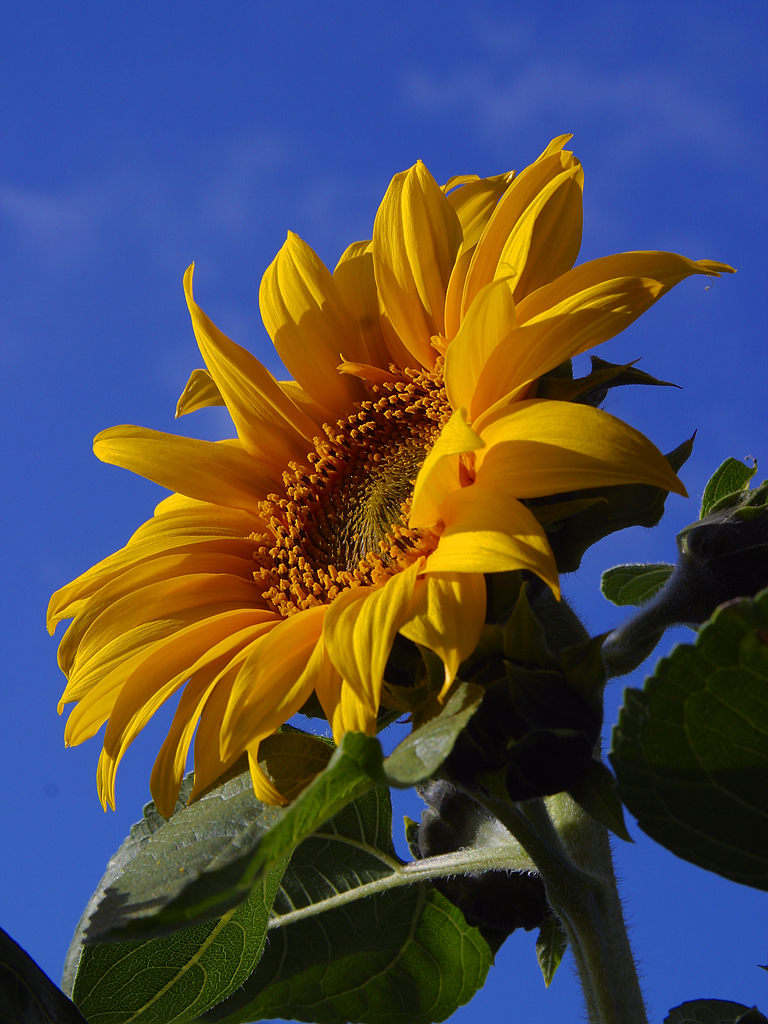 Common sunflowerHelianthus annuus
A tall annual plant grown for its large yellow flower heads and edible seeds
🇨🇦 Canada and 4 more · Wildflower
Common sunflowerHelianthus annuus
A tall annual plant grown for its large yellow flower heads and edible seeds
🇨🇦 Canada and 4 more · Wildflower
 PomegranatePunica granatum
A shrub with bright red flowers and a fruit full of edible seeds
🇮🇷 Iran and 9 more · Flowering shrub
PomegranatePunica granatum
A shrub with bright red flowers and a fruit full of edible seeds
🇮🇷 Iran and 9 more · Flowering shrub
 ApricotPrunus armeniaca
A small fruit tree with early white to pink blossoms and golden-orange fruit
🇨🇳 China and 6 more · Flowering tree
ApricotPrunus armeniaca
A small fruit tree with early white to pink blossoms and golden-orange fruit
🇨🇳 China and 6 more · Flowering tree