
Marsh-marigold
Caltha palustris, family Ranunculaceae
A bright yellow wildflower of marshes and wet woodlands in cool climates
Marsh-marigold is a perennial plant with golden, cup-shaped flowers found in wetlands across the temperate Northern Hemisphere. Its blooms appear in spring and summer, and the plant is grown for its cheerful flowers and sometimes for its edible, cooked young parts, though it is toxic when raw.
- Bright yellow flowers bloom in marshes and wet woods in spring and summer
- All parts are toxic unless cooked; young buds were once eaten like capers
- Flowers can be yellow, white, or magenta depending on variety
- Supports wetland insects and is important in natural habitats
- Known by many local names, especially in the UK
What does Marsh-marigold look like?
Marsh-marigold is a fleshy, hairless perennial that grows 10 to 80 cm tall. Its leaves are kidney-shaped, with scalloped or sometimes nearly smooth edges, and form a rosette at the base. The hollow stems hold several bright yellow, white, or magenta flowers, each 2 to 5.5 cm wide, with 4 to 9 petal-like sepals but no true petals. The plant stands out in wet places when in bloom.
Where does Marsh-marigold come from?
This plant is native to marshes, fens, ditches, and wet woods in cool regions of the Northern Hemisphere, including China, the UK, and North America. The name Caltha comes from Greek for 'goblet', referring to the flower's shape, and palustris means 'of the marsh' in Latin. It was described by Linnaeus in 1753, though earlier botanists had noted it under other names.
When and how Marsh-marigold blooms
Marsh-marigold grows in moist, oxygen-rich soils, often where water seeps through the ground. It dislikes fertilizers and brackish water. The plant dies back in autumn, surviving winter as buds near the soil surface, and sends up new shoots in spring. It can be grown in gardens with wet soil or near ponds, usually from seed or division.


How Marsh-marigold is used
People grow marsh-marigold for its early, vivid flowers in wet gardens. In the past, young leaves and buds were cooked and eaten, but all parts are poisonous unless thoroughly cooked. The plant is also valued for its role in natural wetland habitats, where it supports insects and adds color to spring landscapes.
Kinds of Marsh-marigold
There are several forms and varieties, including those with white or magenta sepals found in the Himalayas and Tibet. Some cultivated types have double flowers or larger blooms, such as 'Flore Pleno' and 'Yellow Giant'. The plant varies in size and flower number depending on region and growing conditions.
What Marsh-marigold means
In the UK, marsh-marigold has many local names and has long been a familiar sight in wet meadows and ditches. Its golden flowers often signal the start of spring in northern wetlands. The plant is sometimes used as an ornamental, but must be handled with care due to its toxicity. It is not tied to religious or national symbolism in the sources.
Questions people ask about Marsh-marigold
Where does marsh-marigold come from?
Marsh-marigold is native to wetlands and damp woodlands across the temperate Northern Hemisphere, including parts of China, the UK, North America, and the Himalayas.
What does marsh-marigold look like?
It is a low, fleshy plant with rounded, scalloped leaves and bright yellow, white, or magenta cup-shaped flowers that appear in clusters on hollow stems.
Is marsh-marigold poisonous?
Yes, all parts of the plant are toxic when raw. Cooking breaks down the toxins, and young leaves or buds have been eaten after boiling, but care is needed.
How is marsh-marigold used by people?
It is mainly grown for its cheerful spring flowers in gardens with wet soil. In the past, cooked young parts were eaten, and the plant supports insects in natural wetlands.
Are there different types of marsh-marigold?
Yes, there are several varieties with differences in flower color and size, including forms with white or magenta sepals found in the Himalayas and special garden cultivars.
Good reading and sources
- Encyclopaedia BritannicaArticle
- Lady Bird Johnson Wildflower CenterLady Bird Johnson Wildflower Center, Article
- Plants of the World OnlineRoyal Botanic Gardens, Kew, Plant database
- Where it has been recordedGBIF, Plant database
- Sightings and photos by naturalistsiNaturalist, Plant database
- Caltha palustris on WikipediaEncyclopedia
- More photos on Wikimedia CommonsPhotos
- Wikidata recordOpen data
The facts on this page come from the Wikipedia article "Caltha palustris", written by its contributors and used under the CC BY-SA 4.0 licence, and from its Wikidata record (CC0). Phool rewrote the text in its own words, with AI assistance, and compares every page with the article to make sure no passage is copied. It may be reused under the same CC BY-SA 4.0 licence with a link back.
It may contain mistakes. It is not medical or foraging advice: many flowers are poisonous, and traditional uses are reported, not recommended. If something is wrong, tell us. Last refreshed 2026-10-03.
Others in the family Ranunculaceae
The whole family ButtercupRanunculus
A widespread group of bright, often shiny-petalled wild and garden flowers
Ranunculus · Wildflower
ButtercupRanunculus
A widespread group of bright, often shiny-petalled wild and garden flowers
Ranunculus · Wildflower
 Anemone
Perennial wildflowers with colorful, petal-like sepals known as windflowers
Anemone · Wildflower
Anemone
Perennial wildflowers with colorful, petal-like sepals known as windflowers
Anemone · Wildflower
 MonkshoodAconitum
Tall, hooded wildflowers of mountain meadows, known for beauty and deadly poison
Aconitum · Wildflower
MonkshoodAconitum
Tall, hooded wildflowers of mountain meadows, known for beauty and deadly poison
Aconitum · Wildflower
 Clematis
A climbing vine with showy flowers, prized in gardens worldwide
Clematis · Wildflower
Clematis
A climbing vine with showy flowers, prized in gardens worldwide
Clematis · Wildflower
More from China
All the flowers of China PeachPrunus persica
A flowering fruit tree from China, grown for its pink blossoms and sweet fruit
🇨🇳 China and 7 more · Flowering tree
PeachPrunus persica
A flowering fruit tree from China, grown for its pink blossoms and sweet fruit
🇨🇳 China and 7 more · Flowering tree
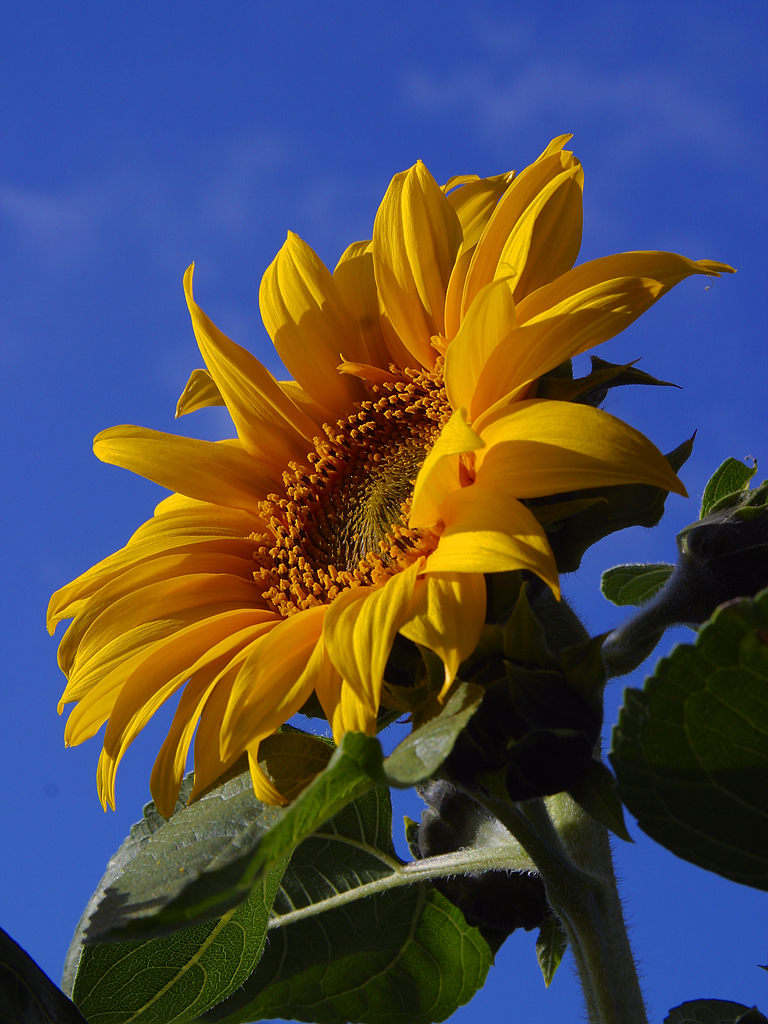 Common sunflowerHelianthus annuus
A tall annual plant grown for its large yellow flower heads and edible seeds
🇨🇦 Canada and 4 more · Wildflower
Common sunflowerHelianthus annuus
A tall annual plant grown for its large yellow flower heads and edible seeds
🇨🇦 Canada and 4 more · Wildflower
 PomegranatePunica granatum
A shrub with bright red flowers and a fruit full of edible seeds
🇮🇷 Iran and 9 more · Flowering shrub
PomegranatePunica granatum
A shrub with bright red flowers and a fruit full of edible seeds
🇮🇷 Iran and 9 more · Flowering shrub
 BirchBetula
Slender trees with papery bark found across the northern world
🇨🇳 China and 7 more · Wildflower
BirchBetula
Slender trees with papery bark found across the northern world
🇨🇳 China and 7 more · Wildflower