
Brown mustard
Brassica juncea, family Brassicaceae
A leafy mustard plant grown for greens, seeds, and oil across Asia and beyond
Brown mustard is a leafy plant native to China and Tibet, widely grown for its edible leaves, seeds, and stems. Its spicy greens and seeds are used in many Asian and African cuisines, and the plant is also valued for mustard oil and as a cover crop.
- All parts—leaves, stems, seeds—are edible and widely used in cooking
- Key ingredient in Indian sarson da saag and Chinese pickles
- Used in phytoremediation to remove heavy metals from soil
- Main source of mustard oil in Russia
- Symbolizes longevity in Taiwanese New Year's Eve dinners
What does Brown mustard look like?
Brown mustard is a leafy plant with green, often serrated leaves and a sturdy stem. The plant can grow upright and produces clusters of small yellow flowers, though it is most often recognized for its edible greens and seeds. The leaves are used fresh, cooked, or pickled, and the seeds are brown and pungent, used to make spicy mustard condiments and oil. The plant is grown both in home gardens and on farms, and all parts—leaves, stems, and seeds—are edible.
Where does Brown mustard come from?
Brown mustard is native to China and Tibet. Over time, it spread widely and is now cultivated in many parts of Asia, including India, Nepal, Japan, and beyond. Its use in food and oil production has made it an important crop in these regions. The plant has several cultivated forms, each adapted to local tastes and uses, and is known by many names in different languages and cuisines.
When and how Brown mustard blooms
Brown mustard is grown from seed and thrives in cool weather, making it a popular winter crop in places like Assam and Northeast India. It is planted in fields or gardens and harvested for its leaves, stems, or seeds. The leaves are picked young for salads or cooked dishes, while mature plants are used for pickling or oil extraction. Some varieties are grown specifically for their thick stems, which are pickled in Chinese and Nepali cuisine.


How Brown mustard is used
The leaves, stems, and seeds of brown mustard are widely used in cooking across Asia and Africa. In India and Nepal, the greens are cooked with meats or made into dishes like sarson da saag. In China, Japan, and Taiwan, the plant is often pickled or stir-fried. The seeds are pressed for mustard oil or ground into spicy brown mustard condiments. The plant is also used as a cover crop to suppress weeds and as a tool for removing heavy metals from soil.
Kinds of Brown mustard
Brassica juncea has several major cultivated groups, including integrifolia, juncea, napiformis, and tsatsai. Each group has distinctive features, such as leaf shape or stem thickness, and is used in different regional dishes. Some cultivars are grown mainly for their greens, others for their thick stems or seeds. Names and uses vary by country and cuisine.
What Brown mustard means
Brown mustard is a staple in many cuisines, symbolizing longevity in Taiwan when eaten at New Year's Eve. In Russia, it is the main source of mustard oil and table mustard. In Assam and Northeast India, it is a key winter crop and eaten in many forms. The plant is also valued for its ability to clean contaminated soils through phytoremediation.
Questions people ask about Brown mustard
Where does brown mustard come from?
Brown mustard is native to China and Tibet, but it is now grown widely across Asia and in other parts of the world for its edible leaves, stems, and seeds.
What is brown mustard used for?
Brown mustard is used for its spicy greens in cooking, its seeds for making mustard oil and condiments, and its stems and leaves for pickling. It is also grown as a cover crop and for cleaning contaminated soils.
What are some dishes made with brown mustard?
Dishes include Indian sarson da saag, Nepali pork with mustard greens, Chinese and Japanese pickled mustard, and Taiwanese longevity greens for New Year's Eve.
Does brown mustard have any special meaning?
In Taiwan, eating mustard greens at New Year's Eve symbolizes longevity. In Russia, it is the main source of mustard oil and table mustard.
Are there different types of brown mustard?
Yes, there are several cultivated groups with different leaf shapes, stem thickness, and uses, such as integrifolia, juncea, napiformis, and tsatsai.
Good reading and sources
- Encyclopaedia BritannicaArticle
- USDA Plants DatabaseUS Department of Agriculture, Article
- Plants of the World OnlineRoyal Botanic Gardens, Kew, Plant database
- Where it has been recordedGBIF, Plant database
- Sightings and photos by naturalistsiNaturalist, Plant database
- Brassica juncea on WikipediaEncyclopedia
- More photos on Wikimedia CommonsPhotos
- Wikidata recordOpen data
The facts on this page come from the Wikipedia article "Brassica juncea", written by its contributors and used under the CC BY-SA 4.0 licence, and from its Wikidata record (CC0). Phool rewrote the text in its own words, with AI assistance, and compares every page with the article to make sure no passage is copied. It may be reused under the same CC BY-SA 4.0 licence with a link back.
It may contain mistakes. It is not medical or foraging advice: many flowers are poisonous, and traditional uses are reported, not recommended. If something is wrong, tell us. Last refreshed 2026-10-03.
Others in the family Brassicaceae
The whole family RapeseedBrassica napus
A yellow-flowered crop grown for its oil-rich seeds and protein meal
🇨🇳 China and 7 more · Wildflower
RapeseedBrassica napus
A yellow-flowered crop grown for its oil-rich seeds and protein meal
🇨🇳 China and 7 more · Wildflower
 Sea kaleCrambe maritima
Salt-loving coastal plant with edible white-flowered shoots
🇬🇧 United Kingdom and 7 more · Wildflower
Sea kaleCrambe maritima
Salt-loving coastal plant with edible white-flowered shoots
🇬🇧 United Kingdom and 7 more · Wildflower
 Cuckoo flowerCardamine pratensis
A pale pink wildflower of damp meadows and stream banks
🇨🇳 China and 2 more · Wildflower
Cuckoo flowerCardamine pratensis
A pale pink wildflower of damp meadows and stream banks
🇨🇳 China and 2 more · Wildflower
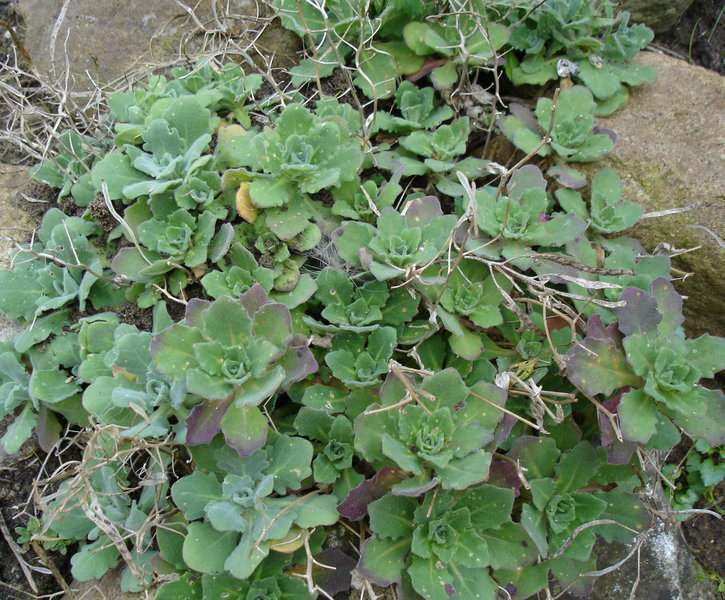 RockcressArabis
Small white-flowered plants for rocky gardens and wild slopes
Arabis · Wildflower
RockcressArabis
Small white-flowered plants for rocky gardens and wild slopes
Arabis · Wildflower
More from China
All the flowers of China PeachPrunus persica
A flowering fruit tree from China, grown for its pink blossoms and sweet fruit
🇨🇳 China and 7 more · Flowering tree
PeachPrunus persica
A flowering fruit tree from China, grown for its pink blossoms and sweet fruit
🇨🇳 China and 7 more · Flowering tree
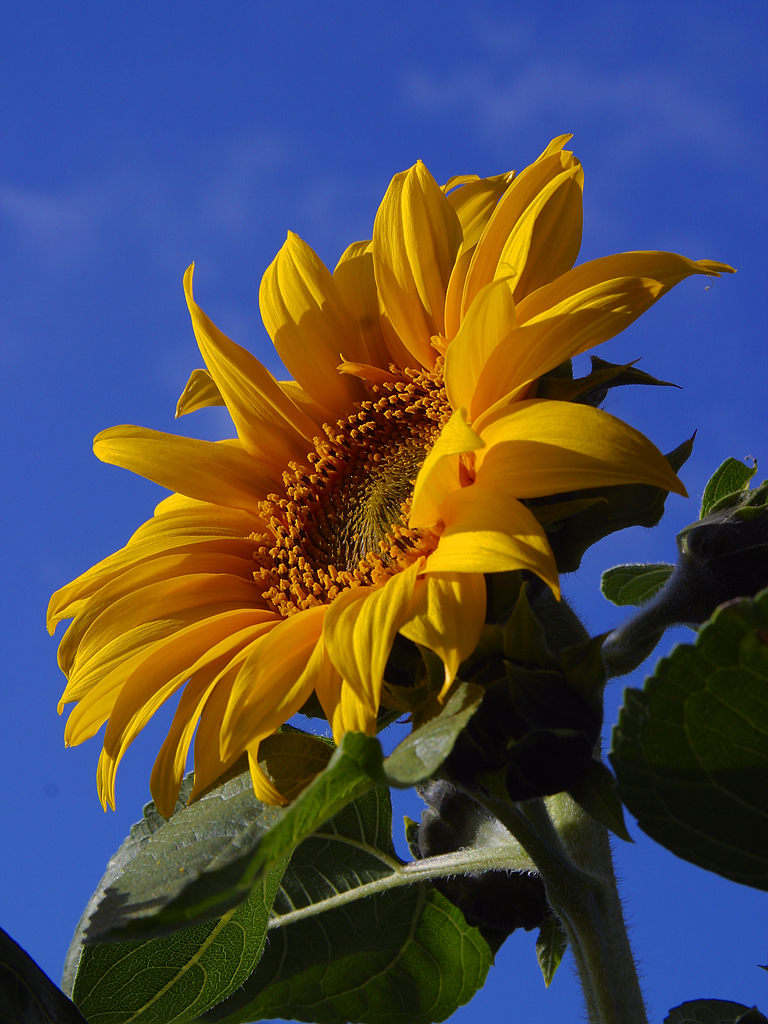 Common sunflowerHelianthus annuus
A tall annual plant grown for its large yellow flower heads and edible seeds
🇨🇦 Canada and 4 more · Wildflower
Common sunflowerHelianthus annuus
A tall annual plant grown for its large yellow flower heads and edible seeds
🇨🇦 Canada and 4 more · Wildflower
 PomegranatePunica granatum
A shrub with bright red flowers and a fruit full of edible seeds
🇮🇷 Iran and 9 more · Flowering shrub
PomegranatePunica granatum
A shrub with bright red flowers and a fruit full of edible seeds
🇮🇷 Iran and 9 more · Flowering shrub
 BirchBetula
Slender trees with papery bark found across the northern world
🇨🇳 China and 7 more · Wildflower
BirchBetula
Slender trees with papery bark found across the northern world
🇨🇳 China and 7 more · Wildflower