
Sea kale
Crambe maritima, family Brassicaceae
Salt-loving coastal plant with edible white-flowered shoots
Sea kale is a perennial plant found along European coastlines, especially on shingle beaches. Its thick, blue-green leaves and clusters of white flowers make it stand out, and its young blanched stems have long been eaten as a vegetable, particularly in Britain.
- Sea kale thrives on salty, stony beaches above the high tide line.
- Blanched shoots have been eaten as a vegetable in Britain since the 18th century.
- Its white flowers bloom in dense clusters in spring.
- Wild populations declined due to overharvesting for food.
- It is related to cabbage and other brassicas.
What does Sea kale look like?
Sea kale is a mound-shaped perennial that can reach about 75 cm in height and 60 cm across. Its leaves are large, thick, and have a blue-green, waxy look, similar to collard greens. In spring, it produces many small white flowers in dense clusters. The plant forms round seed pods, each holding a single seed. It often grows in clumps above the high tide line on stony or pebbly beaches.
Where does Sea kale come from?
This plant is native to the shores of northern and eastern Europe, where it grows on beaches that are exposed to salt spray and wind. It is found from the Black Sea coasts through the Baltic region, and along parts of the Atlantic coast from France to the British Isles. Sea kale has been confused with related species in southern Europe, but its true range is limited to certain European coasts. It is not found in North Africa or the Middle East.
When and how Sea kale blooms
Sea kale grows best in sandy, stony soils above the reach of the tides. In gardens, it can be grown from seed, but takes several years to mature. Traditionally, the young shoots are covered with pots or other materials to keep out light, which blanches them and makes them tender. This forcing process can be done using ceramic pots, soil, or even gravel. Harvested shoots are usually cut in early spring.


How Sea kale is used
People have gathered and eaten the blanched shoots of sea kale since at least the 18th century, especially in coastal Britain. The stems are cooked and served much like asparagus, sometimes with butter. It was once a prized vegetable in British markets and served in royal kitchens. Overharvesting led to a decline in wild plants, and collecting from the wild is now restricted in some areas. Today, it is grown by some farmers and chefs.
Kinds of Sea kale
Sea kale is sometimes mistaken for similar species, such as Crambe hispanica, which grows in southern Europe. The plant can vary in size and leaf shape depending on its location. There are no widely grown named varieties, but gardeners may select for more vigorous or tender plants.
What Sea kale means
Sea kale was once a fashionable vegetable in Britain, appearing in cookbooks and on the tables of the wealthy. It was grown by figures such as Thomas Jefferson in the United States. The plant helps stabilize coastal shingle habitats and is important for dune formation. Its natural habitats are now considered rare and threatened in some regions.
Questions people ask about Sea kale
Where does sea kale come from?
Sea kale is native to the coasts of northern and eastern Europe, including parts of the British Isles, France, the Baltic region, and the Black Sea shores of Bulgaria, Romania, and Turkey.
What does sea kale look like?
The plant forms a mound with large, thick, blue-green leaves and produces clusters of small white flowers in spring. It grows up to 75 cm tall and is often found in clumps on pebbly beaches.
How is sea kale used?
The young, blanched shoots are harvested in early spring and eaten as a vegetable, often cooked and served with butter. It was once a delicacy in Britain and is still grown for food by some farmers.
Is sea kale important for the environment?
Yes, sea kale helps trap sand and can start the formation of coastal dunes. It is a key plant in some rare and endangered beach habitats.
Is sea kale related to any common vegetables?
Sea kale belongs to the same family as cabbage, broccoli, and other brassicas.
Good reading and sources
- Encyclopaedia BritannicaArticle
- USDA Plants DatabaseUS Department of Agriculture, Article
- Plants of the World OnlineRoyal Botanic Gardens, Kew, Plant database
- Where it has been recordedGBIF, Plant database
- Sightings and photos by naturalistsiNaturalist, Plant database
- Crambe maritima on WikipediaEncyclopedia
- More photos on Wikimedia CommonsPhotos
- Wikidata recordOpen data
The facts on this page come from the Wikipedia article "Crambe maritima", written by its contributors and used under the CC BY-SA 4.0 licence, and from its Wikidata record (CC0). Phool rewrote the text in its own words, with AI assistance, and compares every page with the article to make sure no passage is copied. It may be reused under the same CC BY-SA 4.0 licence with a link back.
It may contain mistakes. It is not medical or foraging advice: many flowers are poisonous, and traditional uses are reported, not recommended. If something is wrong, tell us. Last refreshed 2026-10-03.
Others in the family Brassicaceae
The whole family RapeseedBrassica napus
A yellow-flowered crop grown for its oil-rich seeds and protein meal
🇨🇳 China and 7 more · Wildflower
RapeseedBrassica napus
A yellow-flowered crop grown for its oil-rich seeds and protein meal
🇨🇳 China and 7 more · Wildflower
 Brown mustardBrassica juncea
A leafy mustard plant grown for greens, seeds, and oil across Asia and beyond
🇨🇳 China and 7 more · Wildflower
Brown mustardBrassica juncea
A leafy mustard plant grown for greens, seeds, and oil across Asia and beyond
🇨🇳 China and 7 more · Wildflower
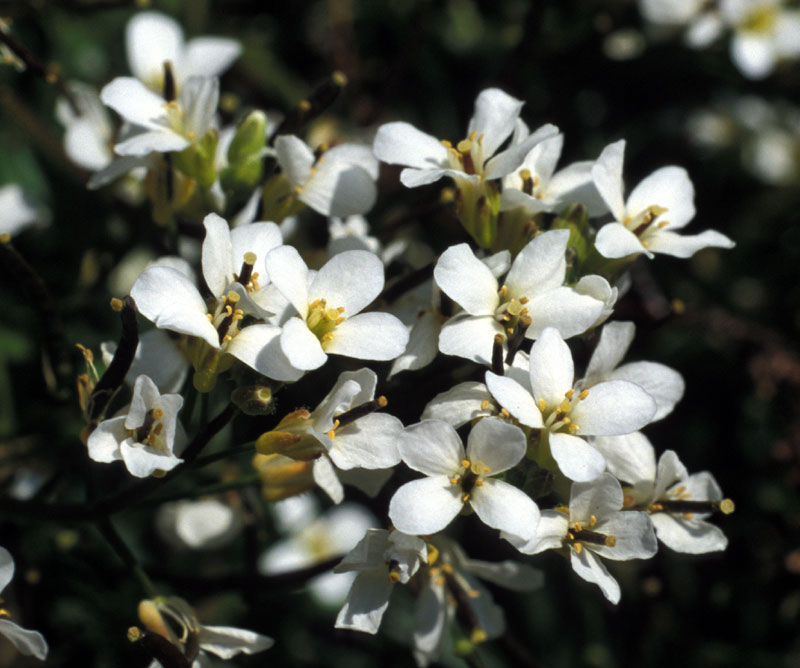 Whitlow grassDraba
A large group of small flowering plants, not true grasses
Draba · Wildflower
Whitlow grassDraba
A large group of small flowering plants, not true grasses
Draba · Wildflower
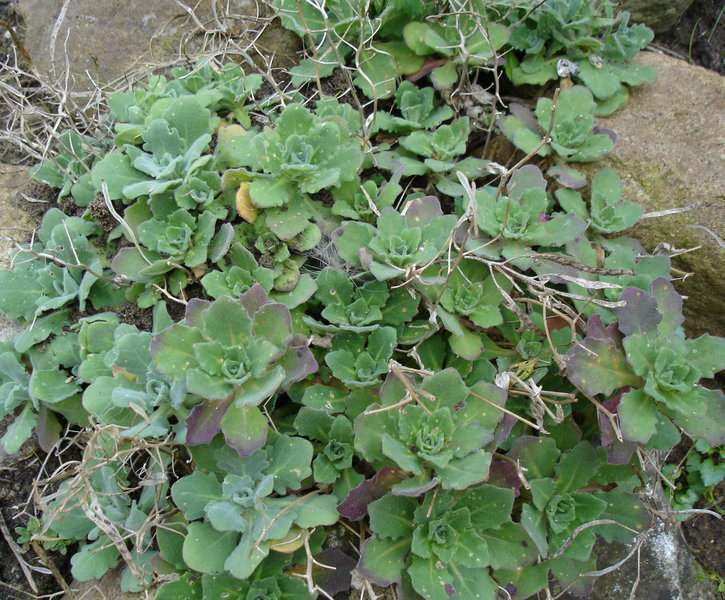 RockcressArabis
Small white-flowered plants for rocky gardens and wild slopes
Arabis · Wildflower
RockcressArabis
Small white-flowered plants for rocky gardens and wild slopes
Arabis · Wildflower
More from the United Kingdom
All the flowers of the United Kingdom Narcissus
Spring-flowering bulbs with trumpet-shaped blooms in white, yellow, and orange
🇬🇧 United Kingdom and 7 more · Wildflower
Narcissus
Spring-flowering bulbs with trumpet-shaped blooms in white, yellow, and orange
🇬🇧 United Kingdom and 7 more · Wildflower
 HawthornCrataegus
A thorny shrub or tree with white or pink spring flowers and small edible fruits
🇮🇪 Ireland and 7 more · Wildflower
HawthornCrataegus
A thorny shrub or tree with white or pink spring flowers and small edible fruits
🇮🇪 Ireland and 7 more · Wildflower
 BlackthornPrunus spinosa
A spiny shrub with white spring flowers and tart blue-black fruit
🇬🇧 United Kingdom and 7 more · Wildflower
BlackthornPrunus spinosa
A spiny shrub with white spring flowers and tart blue-black fruit
🇬🇧 United Kingdom and 7 more · Wildflower
 Common poppyPapaver rhoeas
The vivid red wildflower of fields and remembrance
🇨🇳 China and 7 more · Wildflower
Common poppyPapaver rhoeas
The vivid red wildflower of fields and remembrance
🇨🇳 China and 7 more · Wildflower