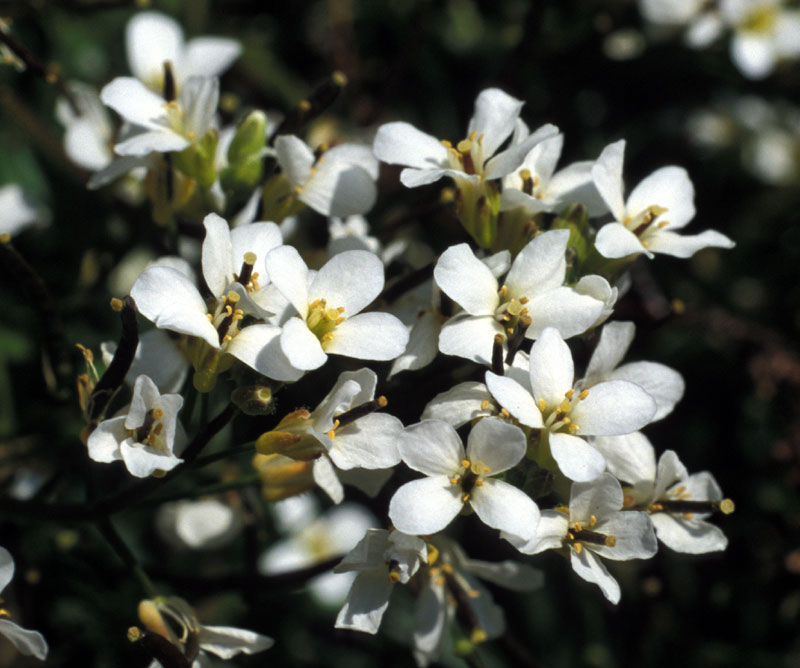
Whitlow grass
Draba, family Brassicaceae
A large group of small flowering plants, not true grasses
Whitlow grass is a genus of small flowering plants in the mustard family. Though called grasses, they are unrelated to true grasses and include over 400 accepted species.
- Not actually a grass despite the common name
- Includes 433 accepted species
- Part of the mustard family (Brassicaceae)
- Formerly included species now placed in other genera
What does Whitlow grass look like?
Whitlow grass plants are small and herbaceous, with flowers typical of the mustard family, four petals in a cross shape. Despite their common name, they have no relation to true grasses. Their growth form is low and often tufted.
Where does Whitlow grass come from?
The genus Draba belongs to the tribe Arabideae within the Brassicaceae family. It has undergone taxonomic revisions, with some former members moved to other genera like Tomostima and Pseudodraba.
When and how Whitlow grass blooms
Plants in this genus grow as wild herbs. They produce small flowers characteristic of the mustard family, though specific blooming times and growing conditions vary across the many species.
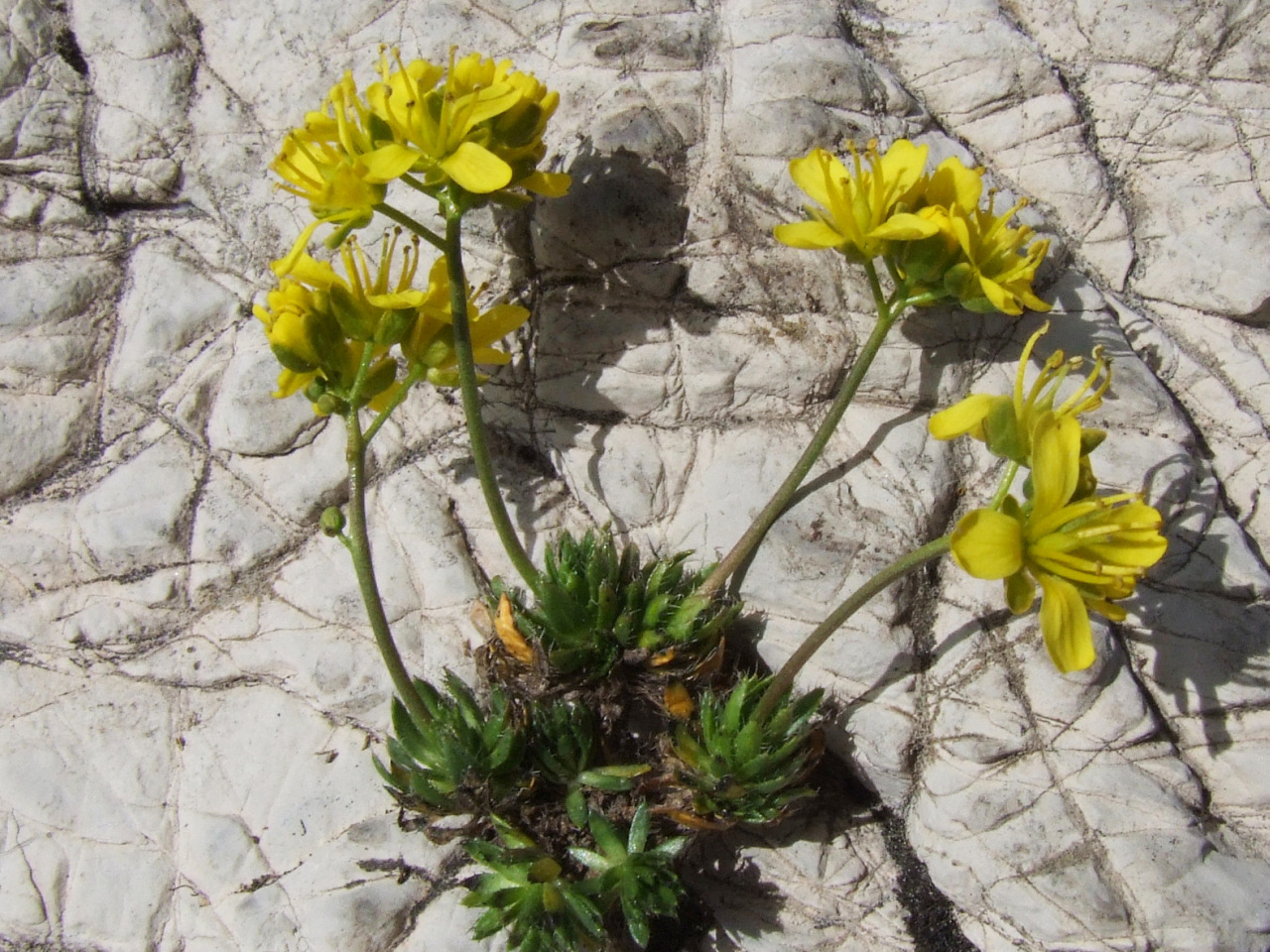


Kinds of Whitlow grass
Over 430 species are currently accepted in the genus. Some plants once classified as Draba have been reassigned to new genera such as Abdra, Drabella, Pseudodraba, and Tomostima based on updated botanical research.
Questions people ask about Whitlow grass
Where does whitlow grass come from?
The native range is not specified in the sources, but it is a widespread genus with many species found in various regions.
Is whitlow grass related to true grasses?
No, despite the name 'whitlow-grass', these plants are in the Brassicaceae (mustard) family and are not related to true grasses.
How many species are in the Draba genus?
There are 433 accepted species in the genus Draba according to current taxonomic records.
What family does Draba belong to?
Draba is part of the Brassicaceae family, also known as the mustard or cabbage family.
Good reading and sources
- USDA Plants DatabaseUS Department of Agriculture, Article
- Plants of the World OnlineRoyal Botanic Gardens, Kew, Plant database
- Where it has been recordedGBIF, Plant database
- Sightings and photos by naturalistsiNaturalist, Plant database
The facts on this page come from the Wikipedia article "Draba", written by its contributors and used under the CC BY-SA 4.0 licence, and from its Wikidata record (CC0). Phool rewrote the text in its own words, with AI assistance, and compares every page with the article to make sure no passage is copied. It may be reused under the same CC BY-SA 4.0 licence with a link back.
It may contain mistakes. It is not medical or foraging advice: many flowers are poisonous, and traditional uses are reported, not recommended. If something is wrong, tell us. Last refreshed 2026-10-03.
Others in the family Brassicaceae
The whole family RapeseedBrassica napus
A yellow-flowered crop grown for its oil-rich seeds and protein meal
🇨🇳 China and 7 more · Wildflower
RapeseedBrassica napus
A yellow-flowered crop grown for its oil-rich seeds and protein meal
🇨🇳 China and 7 more · Wildflower
 Brown mustardBrassica juncea
A leafy mustard plant grown for greens, seeds, and oil across Asia and beyond
🇨🇳 China and 7 more · Wildflower
Brown mustardBrassica juncea
A leafy mustard plant grown for greens, seeds, and oil across Asia and beyond
🇨🇳 China and 7 more · Wildflower
 Sea kaleCrambe maritima
Salt-loving coastal plant with edible white-flowered shoots
🇬🇧 United Kingdom and 7 more · Wildflower
Sea kaleCrambe maritima
Salt-loving coastal plant with edible white-flowered shoots
🇬🇧 United Kingdom and 7 more · Wildflower
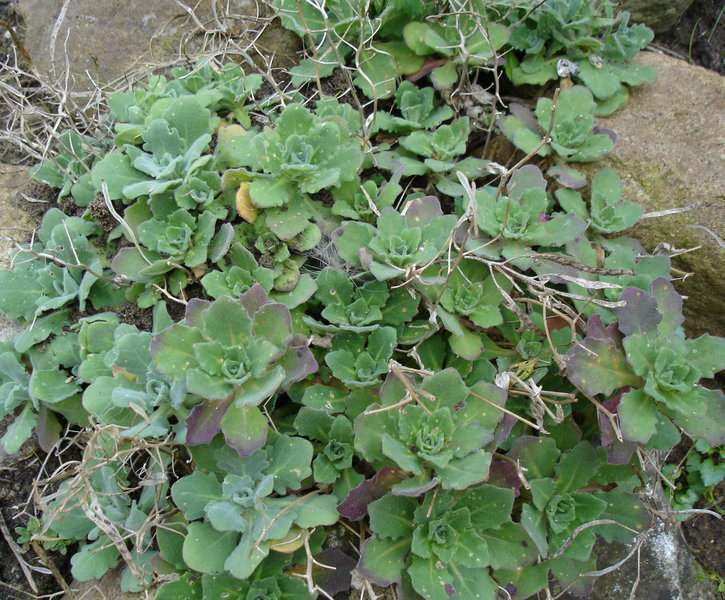 RockcressArabis
Small white-flowered plants for rocky gardens and wild slopes
Arabis · Wildflower
RockcressArabis
Small white-flowered plants for rocky gardens and wild slopes
Arabis · Wildflower