Rockcress
Arabis, family Brassicaceae
Small white-flowered plants for rocky gardens and wild slopes
Rockcress (Arabis) is a group of annual or perennial plants in the mustard family, found on rocky slopes and dry areas. These plants have small white four-petaled flowers and are often grown in rock gardens, though some species are considered weeds.
- Arabis is known as rockcress and belongs to the mustard family.
- It grows on rocky slopes and dry sites, often with dense hairs.
- Flowers are small, white, and four-petaled.
- Some species are popular in rock gardens.
- Most New World species have been reclassified into Boechera.
What does Rockcress look like?
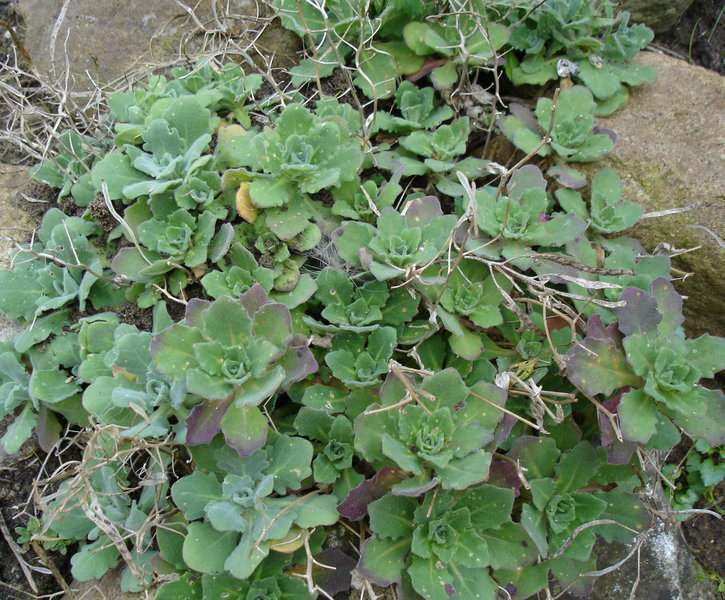
Rockcress includes small, herbaceous plants that can be annual or perennial. They grow from about 10 to 80 cm tall and are usually covered in dense hairs. The leaves are simple and can be either entire or lobed, measuring 1 to 6 cm long. Their flowers are small, white, and have four petals. After flowering, they produce long, slender capsules filled with numerous seeds.
Where does Rockcress come from?
Arabis is native to rocky mountain slopes, cliffs, and dry sites. The genus was once considered large, but genetic studies have split it, with most Old World species remaining in Arabis and most New World species moved to Boechera. Some species are named for regions, such as Armenian rockcress and Kazbegian rockcress.
When and how Rockcress blooms
Rockcress blooms with small white flowers, pollinated by certain insects such as members of Apieae and Lepidoptera. These plants are suited to rocky or dry soils and are often grown in rock gardens or containers. They can be started from seed and thrive in well-drained spots.


How Rockcress is used
Some species, especially Arabis alpina, are grown as ornamentals in gardens, particularly in rock gardens. Others are considered weeds in some areas. Their main use is for decorative planting in suitable garden settings.
Kinds of Rockcress
There are many species within Arabis, including alpine rockcress, Armenian rockcress, coast rockcress, hairy rockcress, and spreading rock cress. Some species are named for their native regions or distinctive features.
What Rockcress means
Rockcress is valued in gardens for its hardiness and ability to grow in rocky or dry places. It does not have strong links to symbolism or religious use in the sources, but its adaptability makes it a common choice for rock gardens and naturalistic plantings.
Questions people ask about Rockcress
Where does rockcress come from?
Rockcress naturally grows on rocky mountain slopes, cliffs, and dry areas. The genus Arabis mainly includes Old World species, while most New World species have been moved to a different genus.
What does rockcress look like?
Rockcress plants are small and herbaceous, with dense hairs and simple leaves. They have small white flowers with four petals and produce long, slender seed capsules.
How is rockcress used?
Some species, such as Arabis alpina, are grown as ornamentals in rock gardens or containers. Others are considered weeds in some places.
Are there different types of rockcress?
Yes, there are many species, including alpine rockcress, Armenian rockcress, coast rockcress, and hairy rockcress. Each may have slight differences in appearance or native region.
Is rockcress important in any culture or religion?
The sources do not mention strong cultural or religious significance for rockcress. It is mainly valued for its use in gardens and its ability to thrive in rocky or dry places.
Good reading and sources
- USDA Plants DatabaseUS Department of Agriculture, Article
- Plants of the World OnlineRoyal Botanic Gardens, Kew, Plant database
- Where it has been recordedGBIF, Plant database
- Sightings and photos by naturalistsiNaturalist, Plant database
The facts on this page come from the Wikipedia article "Arabis", written by its contributors and used under the CC BY-SA 4.0 licence, and from its Wikidata record (CC0). Phool rewrote the text in its own words, with AI assistance, and compares every page with the article to make sure no passage is copied. It may be reused under the same CC BY-SA 4.0 licence with a link back.
It may contain mistakes. It is not medical or foraging advice: many flowers are poisonous, and traditional uses are reported, not recommended. If something is wrong, tell us. Last refreshed 2026-10-03.
Others in the family Brassicaceae
The whole family RapeseedBrassica napus
A yellow-flowered crop grown for its oil-rich seeds and protein meal
🇨🇳 China and 7 more · Wildflower
RapeseedBrassica napus
A yellow-flowered crop grown for its oil-rich seeds and protein meal
🇨🇳 China and 7 more · Wildflower
 Brown mustardBrassica juncea
A leafy mustard plant grown for greens, seeds, and oil across Asia and beyond
🇨🇳 China and 7 more · Wildflower
Brown mustardBrassica juncea
A leafy mustard plant grown for greens, seeds, and oil across Asia and beyond
🇨🇳 China and 7 more · Wildflower
 Cuckoo flowerCardamine pratensis
A pale pink wildflower of damp meadows and stream banks
🇨🇳 China and 2 more · Wildflower
Cuckoo flowerCardamine pratensis
A pale pink wildflower of damp meadows and stream banks
🇨🇳 China and 2 more · Wildflower
 Sea kaleCrambe maritima
Salt-loving coastal plant with edible white-flowered shoots
🇬🇧 United Kingdom and 7 more · Wildflower
Sea kaleCrambe maritima
Salt-loving coastal plant with edible white-flowered shoots
🇬🇧 United Kingdom and 7 more · Wildflower