
Cuckoo flower
Cardamine pratensis, family Brassicaceae
A pale pink wildflower of damp meadows and stream banks
Cuckoo flower is a perennial herb found across Europe and parts of Asia, often growing near water. Its delicate, pale violet-pink or white blooms appear each spring, and the plant is sometimes grown in gardens for its soft beauty and edible leaves.
- Flowers appear in spring, often with the first cuckoo birds
- Chosen as the county flower for Cheshire and Brecknockshire
- Leaves are edible and have a peppery flavor
- Supports the orange-tip butterfly as a food plant
What does Cuckoo flower look like?
Cuckoo flower is a smooth-stemmed perennial that can reach up to 60 cm tall. Its leaves are divided into several small leaflets, and the flower stalks rise above the foliage, carrying clusters of four-petalled flowers. The blossoms are usually a soft violet-pink, though white forms are sometimes seen. Each flower is about 1–2 cm across, and the plant produces slender seed pods after flowering.
Where does Cuckoo flower come from?
This species is native to Eurasia and is widespread throughout Europe, including the British Isles and Ireland. The Latin name 'pratensis' means 'of the meadow', reflecting its preferred habitat. It has also been introduced to North America, where it has become established in some areas. In parts of Germany and elsewhere in Europe, its numbers are declining.
When and how Cuckoo flower blooms
Cuckoo flower thrives in damp meadows and along streams, where the soil stays moist. It grows back each year from its roots, sending up new leaves and flower stalks in spring. The plant can be started from seed or by dividing clumps, and is sometimes planted in gardens for its soft flowers.


How Cuckoo flower is used
People have used cuckoo flower as a salad green, picking its young leaves for their peppery flavor. It is also valued in gardens for its early spring display. In some regions, it is a symbol of local identity, chosen as a county flower. The plant is important for wildlife too, serving as a food source for the orange-tip butterfly.
Kinds of Cuckoo flower
The flowers can range from pale pink to white. Local forms may differ slightly in size or color, but no major cultivated varieties are widely noted. The plant is known by several names in different places, such as lady's smock and mayflower.
What Cuckoo flower means
Traditionally, cuckoo flower was believed to be connected to fairies, and bringing it indoors was thought to bring bad luck. For this reason, it was not used in May Day garlands. Today, it is the county flower of Cheshire and Brecknockshire, reflecting its place in local heritage. In some areas, it is now considered threatened.
Questions people ask about Cuckoo flower
Where does cuckoo flower come from?
Cuckoo flower is native to Eurasia and is found widely across Europe, including the British Isles, and parts of Asia such as China.
What does cuckoo flower look like?
It is a perennial herb with smooth stems, divided leaves, and clusters of pale pink or white four-petalled flowers that bloom in spring.
Is cuckoo flower edible?
Yes, the young leaves can be eaten and are known for their peppery taste.
What is the cultural significance of cuckoo flower?
It is linked to folklore about fairies and is considered unlucky to bring indoors. It is also the county flower for Cheshire and Brecknockshire.
Is cuckoo flower important for wildlife?
Yes, it is a food plant for the orange-tip butterfly and supports other insects in damp meadow habitats.
Good reading and sources
- Encyclopaedia BritannicaArticle
- USDA Plants DatabaseUS Department of Agriculture, Article
- Plants of the World OnlineRoyal Botanic Gardens, Kew, Plant database
- Where it has been recordedGBIF, Plant database
- Sightings and photos by naturalistsiNaturalist, Plant database
- Cardamine pratensis on WikipediaEncyclopedia
- More photos on Wikimedia CommonsPhotos
- Wikidata recordOpen data
The facts on this page come from the Wikipedia article "Cardamine pratensis", written by its contributors and used under the CC BY-SA 4.0 licence, and from its Wikidata record (CC0). Phool rewrote the text in its own words, with AI assistance, and compares every page with the article to make sure no passage is copied. It may be reused under the same CC BY-SA 4.0 licence with a link back.
It may contain mistakes. It is not medical or foraging advice: many flowers are poisonous, and traditional uses are reported, not recommended. If something is wrong, tell us. Last refreshed 2026-10-03.
Others in the family Brassicaceae
The whole family RapeseedBrassica napus
A yellow-flowered crop grown for its oil-rich seeds and protein meal
🇨🇳 China and 7 more · Wildflower
RapeseedBrassica napus
A yellow-flowered crop grown for its oil-rich seeds and protein meal
🇨🇳 China and 7 more · Wildflower
 Brown mustardBrassica juncea
A leafy mustard plant grown for greens, seeds, and oil across Asia and beyond
🇨🇳 China and 7 more · Wildflower
Brown mustardBrassica juncea
A leafy mustard plant grown for greens, seeds, and oil across Asia and beyond
🇨🇳 China and 7 more · Wildflower
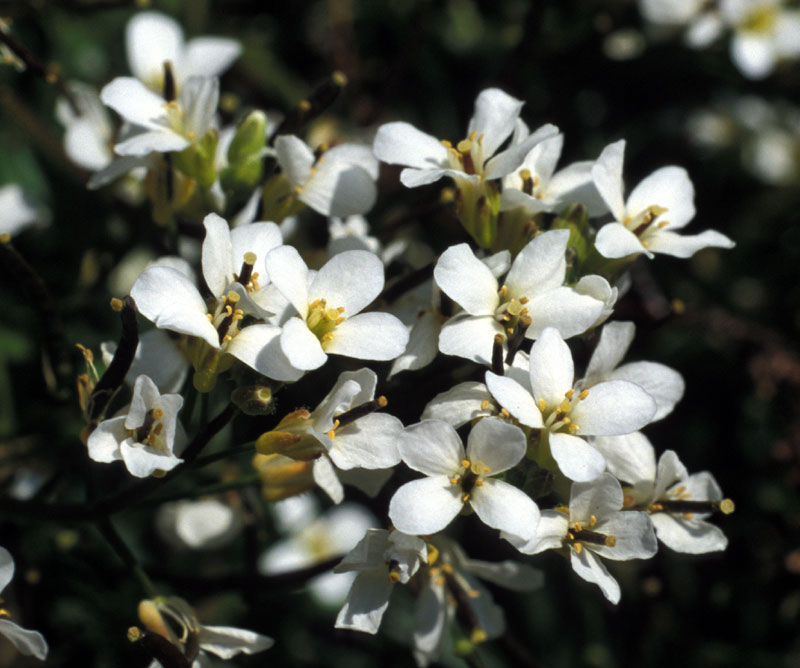 Whitlow grassDraba
A large group of small flowering plants, not true grasses
Draba · Wildflower
Whitlow grassDraba
A large group of small flowering plants, not true grasses
Draba · Wildflower
 Sea kaleCrambe maritima
Salt-loving coastal plant with edible white-flowered shoots
🇬🇧 United Kingdom and 7 more · Wildflower
Sea kaleCrambe maritima
Salt-loving coastal plant with edible white-flowered shoots
🇬🇧 United Kingdom and 7 more · Wildflower
More from China
All the flowers of China PeachPrunus persica
A flowering fruit tree from China, grown for its pink blossoms and sweet fruit
🇨🇳 China and 7 more · Flowering tree
PeachPrunus persica
A flowering fruit tree from China, grown for its pink blossoms and sweet fruit
🇨🇳 China and 7 more · Flowering tree
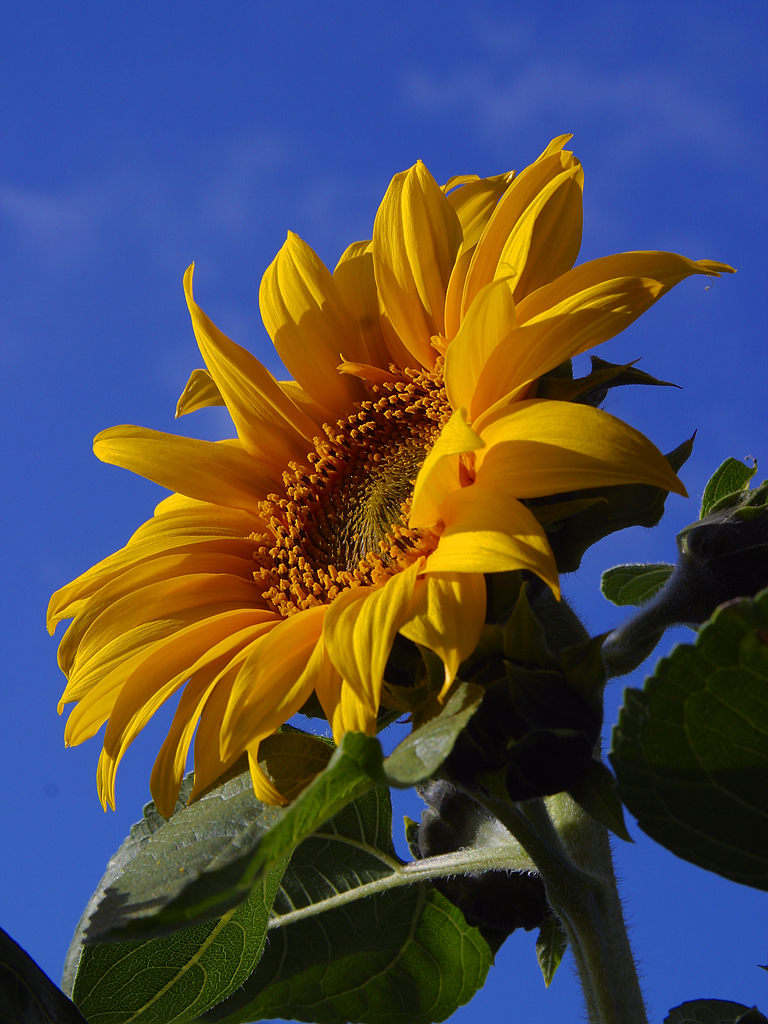 Common sunflowerHelianthus annuus
A tall annual plant grown for its large yellow flower heads and edible seeds
🇨🇦 Canada and 4 more · Wildflower
Common sunflowerHelianthus annuus
A tall annual plant grown for its large yellow flower heads and edible seeds
🇨🇦 Canada and 4 more · Wildflower
 PomegranatePunica granatum
A shrub with bright red flowers and a fruit full of edible seeds
🇮🇷 Iran and 9 more · Flowering shrub
PomegranatePunica granatum
A shrub with bright red flowers and a fruit full of edible seeds
🇮🇷 Iran and 9 more · Flowering shrub
 BirchBetula
Slender trees with papery bark found across the northern world
🇨🇳 China and 7 more · Wildflower
BirchBetula
Slender trees with papery bark found across the northern world
🇨🇳 China and 7 more · Wildflower