
Rapeseed
Brassica napus, family Brassicaceae
A yellow-flowered crop grown for its oil-rich seeds and protein meal
Rapeseed is a tall, yellow-flowered plant from the Brassicaceae family, grown mainly for its seeds, which yield oil and protein meal. Native to parts of China, it is now widely cultivated in Europe, Canada, Australia and beyond, with canola as a popular edible variety low in erucic acid.
- Rapeseed flowers are bright yellow and cross-shaped.
- Canola is a low-toxin edible variety of rapeseed.
- It is a major source of vegetable oil and protein meal.
- Native to parts of China, now grown worldwide.
- The plant's seeds naturally contain mildly toxic erucic acid.
What does Rapeseed look like?
Rapeseed is an upright plant that can reach about a metre tall. Its lower leaves are fleshy, blue-green, and stalked, while the upper leaves sit directly on the stem. The flowers are bright yellow, about 17 mm across, each with four petals in a cross shape. After flowering, the plant forms long green pods that ripen to brown, each filled with rows of small, round, black seeds. The plant has no notable hair and its flowers grow in clusters up the stem.
Where does Rapeseed come from?
Brassica napus is native to parts of China, including Shanghai and Tibet. It likely arose from hybridization between two other Brassica species. Rapeseed has been cultivated for thousands of years, with early records in India around 4000 BCE and spread to China and Japan about 2000 years ago. Today, it is grown worldwide, especially in temperate regions, and is a major oil and protein crop.
When and how Rapeseed blooms
Rapeseed is usually sown in autumn as a winter crop in Europe and Asia, staying low to the ground until spring when it sends up a tall stem and flowers. In Canada and Australia, spring varieties are sown after the cold. The plant prefers well-drained soils and needs plenty of nutrients, especially sulphur. It is mainly wind-pollinated but bees can boost its yield. Modern farming uses fertilisers and sometimes pesticides to protect the crop.


How Rapeseed is used
The main use of rapeseed is for its oil-rich seeds, which are pressed to make vegetable oil and protein meal for animal feed. Canola, a type of rapeseed with low erucic acid, is widely used for cooking oil. The plant has also been used as a vegetable and fodder crop. Some traditional medicine practices use parts of the plant, but the seeds naturally contain mildly toxic compounds.
Kinds of Rapeseed
There are several forms of Brassica napus. Canola is a group of cultivars bred for low erucic acid and glucosinolate content. Siberian kale is a leafy variety once common as a vegetable. The rutabaga or swede is a related subspecies. Both winter and spring types exist, adapted to different climates. Genetically modified varieties have been developed for herbicide resistance and disease tolerance.
What Rapeseed means
Rapeseed is one of the world’s main sources of vegetable oil and protein meal. Its bright yellow fields are a common sight in spring and early summer in many countries. The name 'rape' comes from the Latin for turnip. Canola was developed and named in Canada to market safer edible oil. The plant is not widely used in religious or ceremonial contexts, but is important in agriculture and food production.
Where to see Rapeseed

Questions people ask about Rapeseed
Where does rapeseed come from?
Rapeseed is native to regions in China, such as Shanghai and Tibet, and has been cultivated for thousands of years. It spread from India to China and Japan and is now grown in many temperate countries worldwide.
What is rapeseed used for?
Rapeseed is mainly grown for its oil-rich seeds, which are pressed to make vegetable oil and protein meal for animal feed. Canola, a type of rapeseed, is popular as a cooking oil. The plant is also used as a fodder crop and sometimes as a vegetable.
What does rapeseed look like?
Rapeseed is a tall plant, about a metre high, with blue-green leaves and clusters of bright yellow, cross-shaped flowers. After flowering, it forms long pods filled with small, round black seeds.
Is rapeseed toxic?
The seeds of traditional rapeseed contain mildly toxic erucic acid. Canola is a variety bred to have very low levels of this compound, making it safe for human consumption.
What does rapeseed symbolise?
Rapeseed does not have a strong symbolic meaning in most cultures, but its yellow fields are a familiar sight in spring and it is valued for its economic importance as an oil and protein crop.
Good reading and sources
- Encyclopaedia BritannicaArticle
- USDA Plants DatabaseUS Department of Agriculture, Article
- Plants of the World OnlineRoyal Botanic Gardens, Kew, Plant database
- Where it has been recordedGBIF, Plant database
- Sightings and photos by naturalistsiNaturalist, Plant database
The facts on this page come from the Wikipedia article "Rapeseed", written by its contributors and used under the CC BY-SA 4.0 licence, and from its Wikidata record (CC0). Phool rewrote the text in its own words, with AI assistance, and compares every page with the article to make sure no passage is copied. It may be reused under the same CC BY-SA 4.0 licence with a link back.
It may contain mistakes. It is not medical or foraging advice: many flowers are poisonous, and traditional uses are reported, not recommended. If something is wrong, tell us. Last refreshed 2026-10-03.
Others in the family Brassicaceae
The whole family Brown mustardBrassica juncea
A leafy mustard plant grown for greens, seeds, and oil across Asia and beyond
🇨🇳 China and 7 more · Wildflower
Brown mustardBrassica juncea
A leafy mustard plant grown for greens, seeds, and oil across Asia and beyond
🇨🇳 China and 7 more · Wildflower
 Sea kaleCrambe maritima
Salt-loving coastal plant with edible white-flowered shoots
🇬🇧 United Kingdom and 7 more · Wildflower
Sea kaleCrambe maritima
Salt-loving coastal plant with edible white-flowered shoots
🇬🇧 United Kingdom and 7 more · Wildflower
 Cuckoo flowerCardamine pratensis
A pale pink wildflower of damp meadows and stream banks
🇨🇳 China and 2 more · Wildflower
Cuckoo flowerCardamine pratensis
A pale pink wildflower of damp meadows and stream banks
🇨🇳 China and 2 more · Wildflower
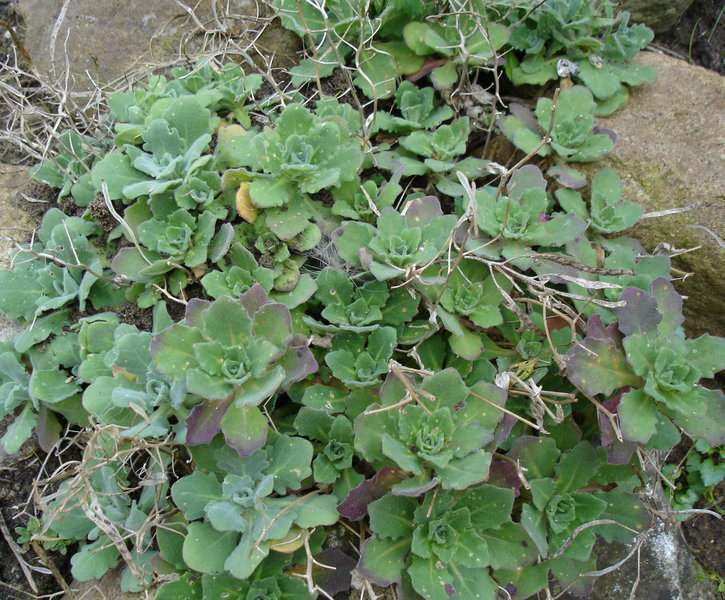 RockcressArabis
Small white-flowered plants for rocky gardens and wild slopes
Arabis · Wildflower
RockcressArabis
Small white-flowered plants for rocky gardens and wild slopes
Arabis · Wildflower
More from China
All the flowers of China PeachPrunus persica
A flowering fruit tree from China, grown for its pink blossoms and sweet fruit
🇨🇳 China and 7 more · Flowering tree
PeachPrunus persica
A flowering fruit tree from China, grown for its pink blossoms and sweet fruit
🇨🇳 China and 7 more · Flowering tree
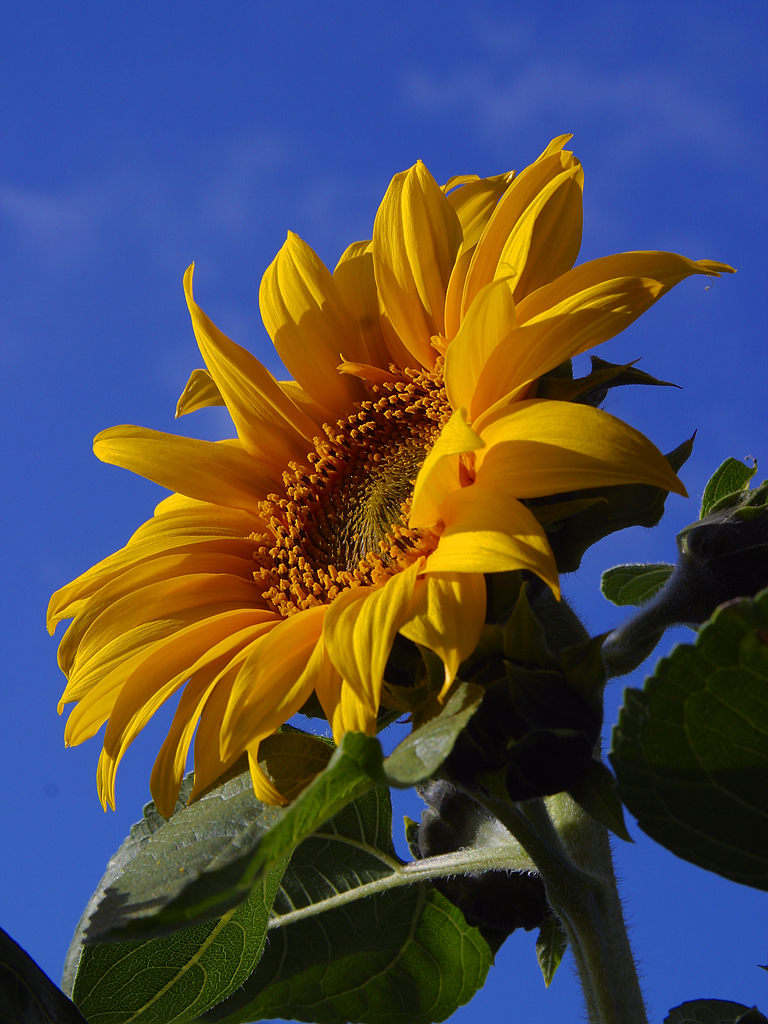 Common sunflowerHelianthus annuus
A tall annual plant grown for its large yellow flower heads and edible seeds
🇨🇦 Canada and 4 more · Wildflower
Common sunflowerHelianthus annuus
A tall annual plant grown for its large yellow flower heads and edible seeds
🇨🇦 Canada and 4 more · Wildflower
 PomegranatePunica granatum
A shrub with bright red flowers and a fruit full of edible seeds
🇮🇷 Iran and 9 more · Flowering shrub
PomegranatePunica granatum
A shrub with bright red flowers and a fruit full of edible seeds
🇮🇷 Iran and 9 more · Flowering shrub
 BirchBetula
Slender trees with papery bark found across the northern world
🇨🇳 China and 7 more · Wildflower
BirchBetula
Slender trees with papery bark found across the northern world
🇨🇳 China and 7 more · Wildflower