
Phuang malai
In its own language: พวงมาลัย
Thai floral garlands made for offerings, gifts, and ceremonies
Phuang malai are traditional Thai flower garlands, often crafted as offerings, gifts, or decorations for ceremonies. Made in various intricate patterns, they are used in temples, weddings, and as tokens of respect or good luck. Their origins trace back to South Indian garland traditions.
- Phuang malai are traditional Thai floral garlands for offerings and ceremonies.
- They can be shaped like animals, chains, or decorated with gold and silver lace.
- Garlands are used in temples, weddings, and as gifts or good luck charms.
- Bamboo garlands are woven for Buddhist Lent festivals in northeast Thailand.
What is Phuang malai?
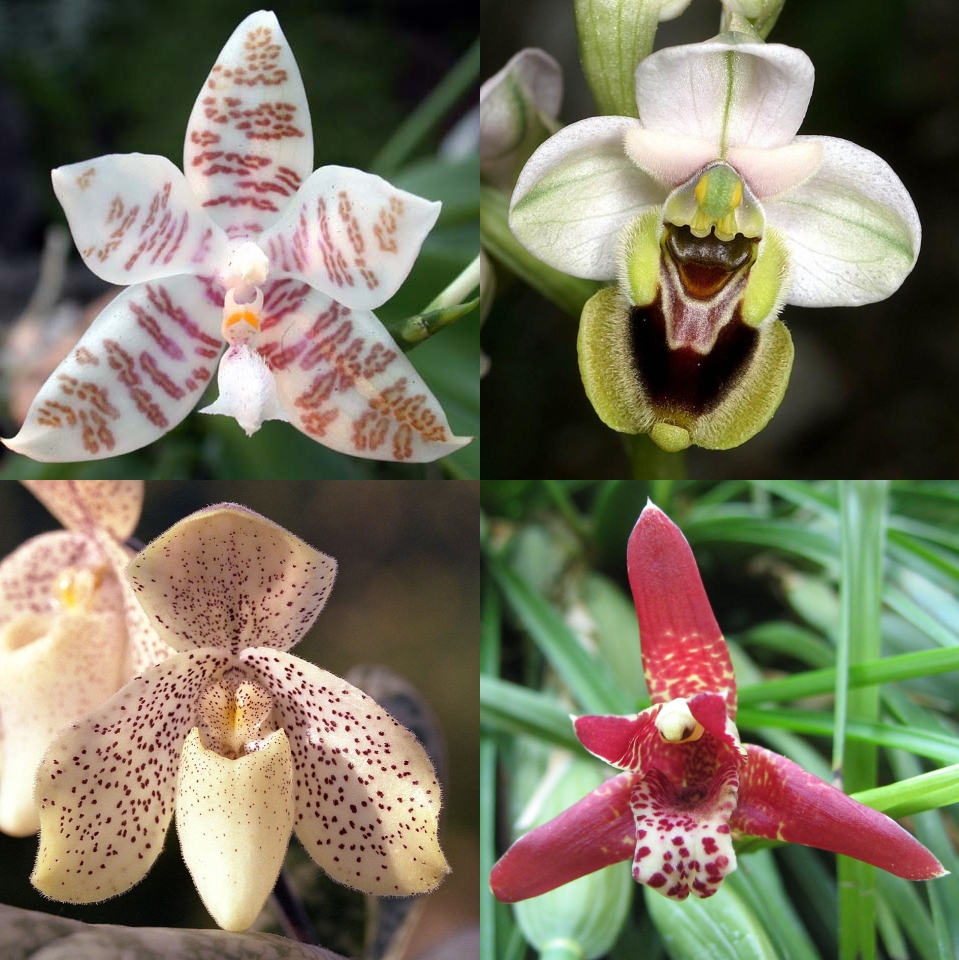
Phuang malai are hand-made garlands of fresh flowers, most often jasmine or orchids, strung together in intricate patterns. They range in size from small souvenirs to long chains or animal shapes. Some are decorated with gold or silver lace. The garlands are often hung in temples, draped around necks at weddings, or displayed in homes and vehicles for good luck. Bamboo garlands, woven instead of floral, are also made for certain festivals.
Where does Phuang malai come from?
The tradition of phuang malai likely comes from the Tamil 'poo maalai', meaning flower garland, reflecting ancient cultural exchanges between South India and Thailand. Chola kings from Tamil Nadu influenced garland customs in Southeast Asia. The earliest Thai record of phuang malai appears in royal ceremonies described by King Chulalongkorn, where palace women were skilled in making them. Over time, the craft became central to Thai ceremonial life, with many patterns developed in the royal court.
How Phuang malai is made
Phuang malai are made by threading fresh flowers, often jasmine or orchids, onto string in set patterns. Some garlands are shaped to resemble animals, while others are linked in chains or braided. Gold and silver lace may be added for decoration. Bamboo garlands are woven as an alternative, especially in the northeast for Buddhist Lent festivals. The process is usually done by hand, with skill passed down through generations.


When and where Phuang malai is used
Phuang malai are used as offerings in temples, draped on statues, and given to show respect. At weddings, the bride and groom wear special garlands. Small garlands are given as souvenirs at celebrations like housewarmings or baby showers. Garlands also decorate homes, throne halls, and musical instruments, and are hung in vehicles for protection. In the northeast, bamboo garlands are featured in processions during Buddhist Lent.
Forms of Phuang malai
There are six main styles: animal-shaped (creature malai), chained, braided, vine-shaped, laced with metallic threads, and orchid-only garlands. Uses also vary: single-ended garlands for offerings, double-ended for wearing, and small ones as souvenirs. Bamboo garlands, unique to the Phu Thai people in Kalasin, are woven rather than floral.
What Phuang malai means
Phuang malai are deeply tied to Thai Buddhist practice and social life. They symbolize respect, blessing, and good fortune. Making garlands is a traditional skill, especially for women, and features in royal and community ceremonies. The craft reflects both local creativity and historical links to South Indian culture.
The flowers of Phuang malai

Traditions that use it
Where to see Phuang malai

Questions people ask about Phuang malai
Where does phuang malai come from?
Phuang malai likely originates from South Indian garland traditions, especially the Tamil 'poo maalai'. The custom spread to Thailand through historical connections and became a central part of Thai ceremonial life.
What are phuang malai used for?
They are used as offerings in temples, worn at weddings, given as gifts or souvenirs, and hung in homes or vehicles for good luck. They also decorate musical instruments and are part of many Thai ceremonies.
How are phuang malai made?
Fresh flowers, such as jasmine or orchids, are threaded onto string in various patterns. Some garlands are shaped like animals or chains, and metallic lace may be added. Bamboo garlands are woven for special festivals.
What do phuang malai symbolize?
They symbolize respect, blessing, and good fortune in Thai culture, especially in Buddhist practice and important life events.
Are there different types of phuang malai?
Yes, there are several styles including animal-shaped, chained, braided, vine-shaped, laced, and orchid-only garlands. Bamboo garlands are also made in some regions.
Good reading and sources
The facts on this page come from the Wikipedia article "Phuang malai", written by its contributors and used under the CC BY-SA 4.0 licence, and from its Wikidata record (CC0). EveryPhool rewrote the text in its own words, with AI assistance, and compares every page with the article to make sure no passage is copied. It may be reused under the same CC BY-SA 4.0 licence with a link back.
It may contain mistakes. If something is wrong, tell us. Last refreshed 2026-10-03.
More of the same kind
 Decoration
Varamalaवरमाला
A flower garland exchanged by bride and groom in Hindu weddings
🇮🇳 India · Garland or wreath
Decoration
Varamalaवरमाला
A flower garland exchanged by bride and groom in Hindu weddings
🇮🇳 India · Garland or wreath
 Decoration
Wreath
A ring-shaped decoration made from flowers, leaves, or other materials
🇬🇷 Greece and 7 more · Arrangement
Decoration
Wreath
A ring-shaped decoration made from flowers, leaves, or other materials
🇬🇷 Greece and 7 more · Arrangement
 Decoration
Laurel wreath
A head or neck wreath made from laurel leaves, symbolizing victory
🇬🇷 Greece and 4 more · Worn flowers
Decoration
Laurel wreath
A head or neck wreath made from laurel leaves, symbolizing victory
🇬🇷 Greece and 4 more · Worn flowers
 Decoration
Garland
A string or braid of flowers, leaves, or other materials for decoration or ceremony
🇮🇳 India and 3 more · Garland or wreath
Decoration
Garland
A string or braid of flowers, leaves, or other materials for decoration or ceremony
🇮🇳 India and 3 more · Garland or wreath
More from Thailand
All the flowers of Thailand Decoration
Kolamகோலம்
South Indian geometric floor art made with rice flour or powder at home entrances
🇮🇳 India and 5 more · Carpet or floor pattern
Decoration
Kolamகோலம்
South Indian geometric floor art made with rice flour or powder at home entrances
🇮🇳 India and 5 more · Carpet or floor pattern
 Decoration
Songkranสงกรานต์
The Thai New Year marked by water rituals and festive gatherings in April
🇹🇭 Thailand · Custom, April
Decoration
Songkranสงกรานต์
The Thai New Year marked by water rituals and festive gatherings in April
🇹🇭 Thailand · Custom, April
 Decoration
Vesak
The Buddhist festival marking the Buddha’s birth, enlightenment, and passing
🇱🇰 Sri Lanka and 7 more · Custom, Apr to Jun
Decoration
Vesak
The Buddhist festival marking the Buddha’s birth, enlightenment, and passing
🇱🇰 Sri Lanka and 7 more · Custom, Apr to Jun
 Decoration
Loy Krathongลอยกระทง
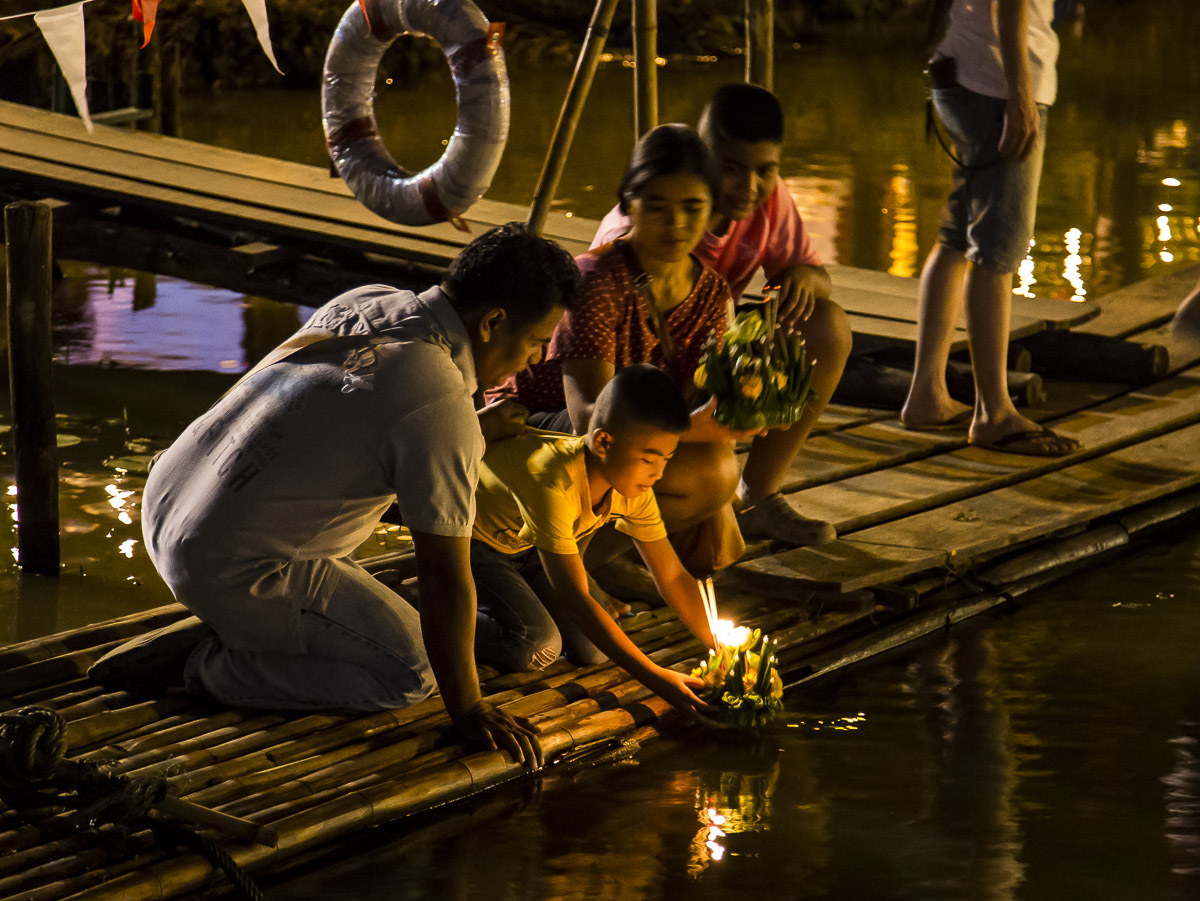
The Thai festival of floating candle-lit baskets on water
🇹🇭 Thailand and 7 more · Custom, November
Decoration
Loy Krathongลอยกระทง
The Thai festival of floating candle-lit baskets on water
🇹🇭 Thailand and 7 more · Custom, November