Loy Krathong
In its own language: ลอยกระทง
The Thai festival of floating candle-lit baskets on water
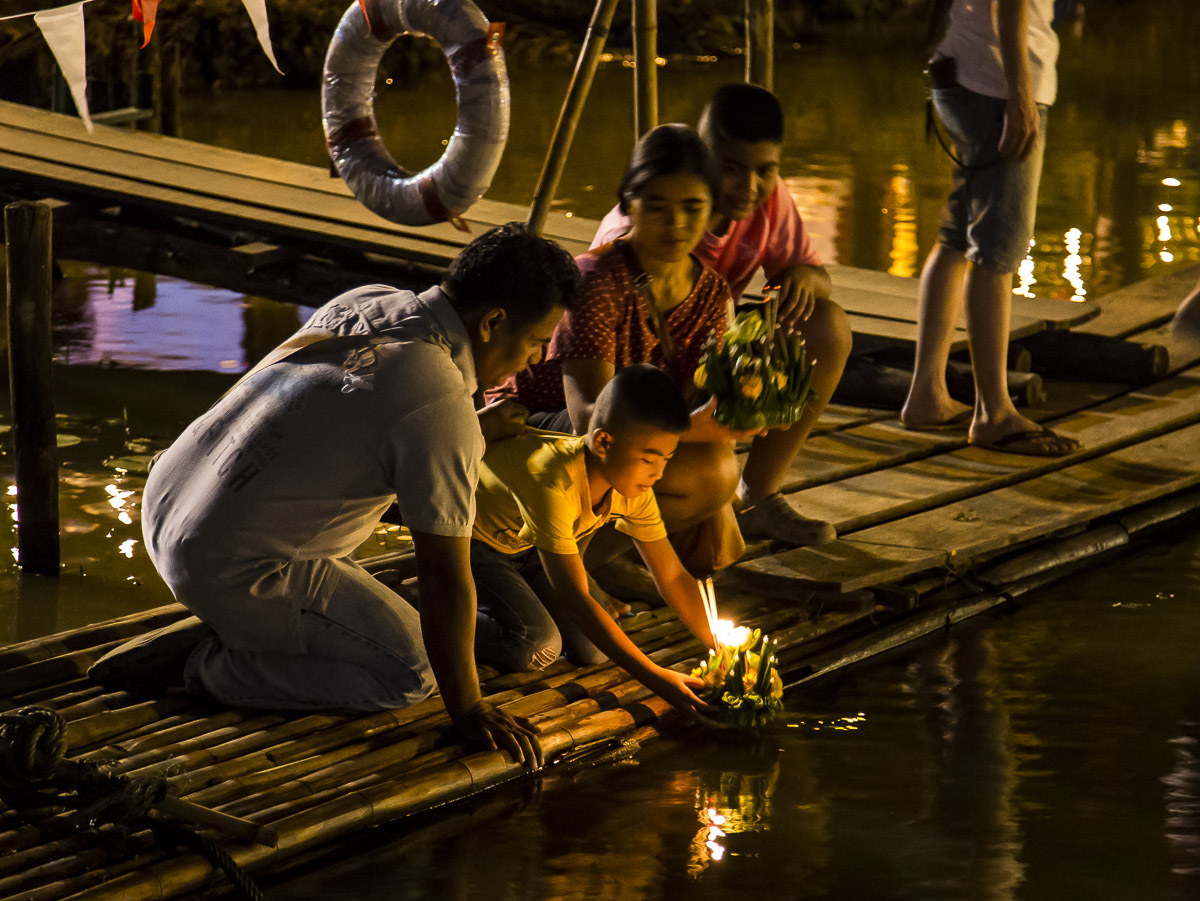
Loy Krathong is a festival held every year in Thailand and nearby regions, where people float decorated baskets called krathong on rivers, canals, or ponds. The baskets are made of banana trunk, leaves, or bread, and are adorned with candles, incense, and flowers as offerings to the water goddess and to let go of negativity.
- Krathong are floated on rivers, canals, or ponds on the full moon night.
- Traditional krathong are made from banana trunk and decorated with leaves, flowers, incense, and candles.
- The festival thanks the water goddess and symbolizes letting go of negativity.
- Loy Krathong is celebrated in Thailand and in parts of Laos, Myanmar, Cambodia, and Malaysia.
- In Chiang Mai, the festival coincides with the Yi Peng lantern festival.
What is Loy Krathong?
Loy Krathong is marked by the making and floating of krathong, which are small, buoyant baskets. Traditionally, these are crafted from a slice of banana tree trunk or spider lily and decorated with folded banana leaves, flowers, incense sticks, and a candle. Some modern krathong are made of bread, which dissolves in water and can be eaten by fish. On the night of the full moon, people gather by rivers, canals, or ponds to float their krathong, often making a wish as they do so. The sight includes candle-lit baskets drifting on water, fireworks, and sometimes beauty contests and lantern displays.
Where does Loy Krathong come from?
The roots of Loy Krathong trace back to Hindu and Brahmanical practices from India, brought to Southeast Asia during the Khmer Empire in the 11th and 12th centuries. The festival was originally practiced by elites in Bangkok and became widespread in Thailand after World War II, partly to promote national identity and tourism. Its name means 'to float a ritual vessel or lamp,' and the act of floating krathong is a way to thank the water goddess. Similar festivals are found in Cambodia, Myanmar, Sri Lanka, and India, reflecting shared cultural traditions.
How Loy Krathong is made
A krathong is made by cutting a slice from a banana tree trunk or using bread as a base. The base is decorated with folded banana leaves, flowers, three incense sticks, and a candle. Sometimes a coin or personal items like nail clippings are added. The krathong is then floated on water, usually at night during the full moon of the twelfth Thai lunar month. Large krathong are made for competitions, and organizations may launch elaborate versions.


When and where Loy Krathong is used
Loy Krathong is celebrated by families, friends, and communities across Thailand and in other countries with South Western Tai cultures. People float krathong to thank the water goddess and to symbolically let go of anger and misfortune. The festival includes public events, lantern displays, and sometimes beauty contests. In Chiang Mai, it coincides with the Yi Peng lantern festival, where sky lanterns are released. The date changes each year, usually falling in November.
Forms of Loy Krathong
In northern Thailand, Loy Krathong coincides with Yi Peng, which features the release of sky lanterns. In Laos, Malaysia, and Myanmar, similar festivals take place under different names, with local customs and decorations. In Cambodia, it is called Bon Om Touk, and in Sri Lanka, Il Full Moon Poya. The materials and style of krathong can vary, with some regions using more elaborate decorations or different plant bases.
What Loy Krathong means
Loy Krathong holds both religious and cultural meaning. It is a way to honor the water goddess and the Buddha, and to let go of negativity. The candle on the krathong venerates the Buddha, while floating the basket symbolizes releasing past troubles. The festival has become a symbol of Thai identity and is a major attraction for visitors. It is also linked to ancient water and harvest rites, and has inspired similar festivals in neighboring countries.
The flowers of Loy Krathong
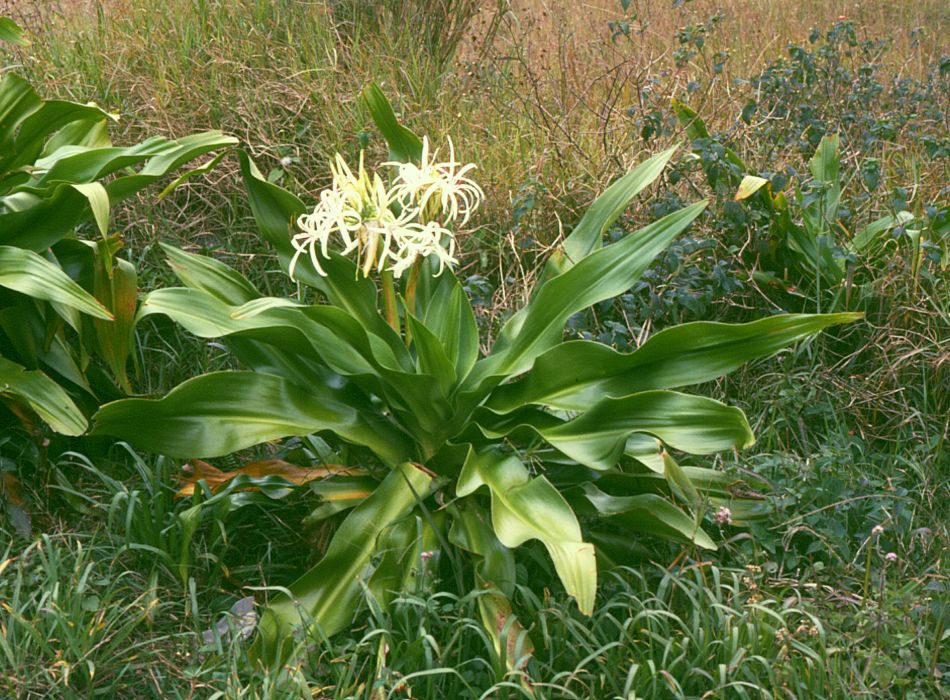 Poison bulbA large white-flowered lily grown in warm gardens, toxic if eaten
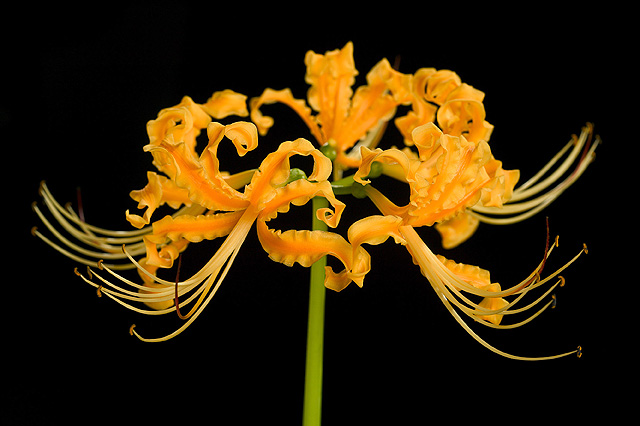 LycorisBulb flowers of Asia, known for their bright blooms and leafless stems
 NerineBulbous perennials with wavy pink to red flowers from southern Africa
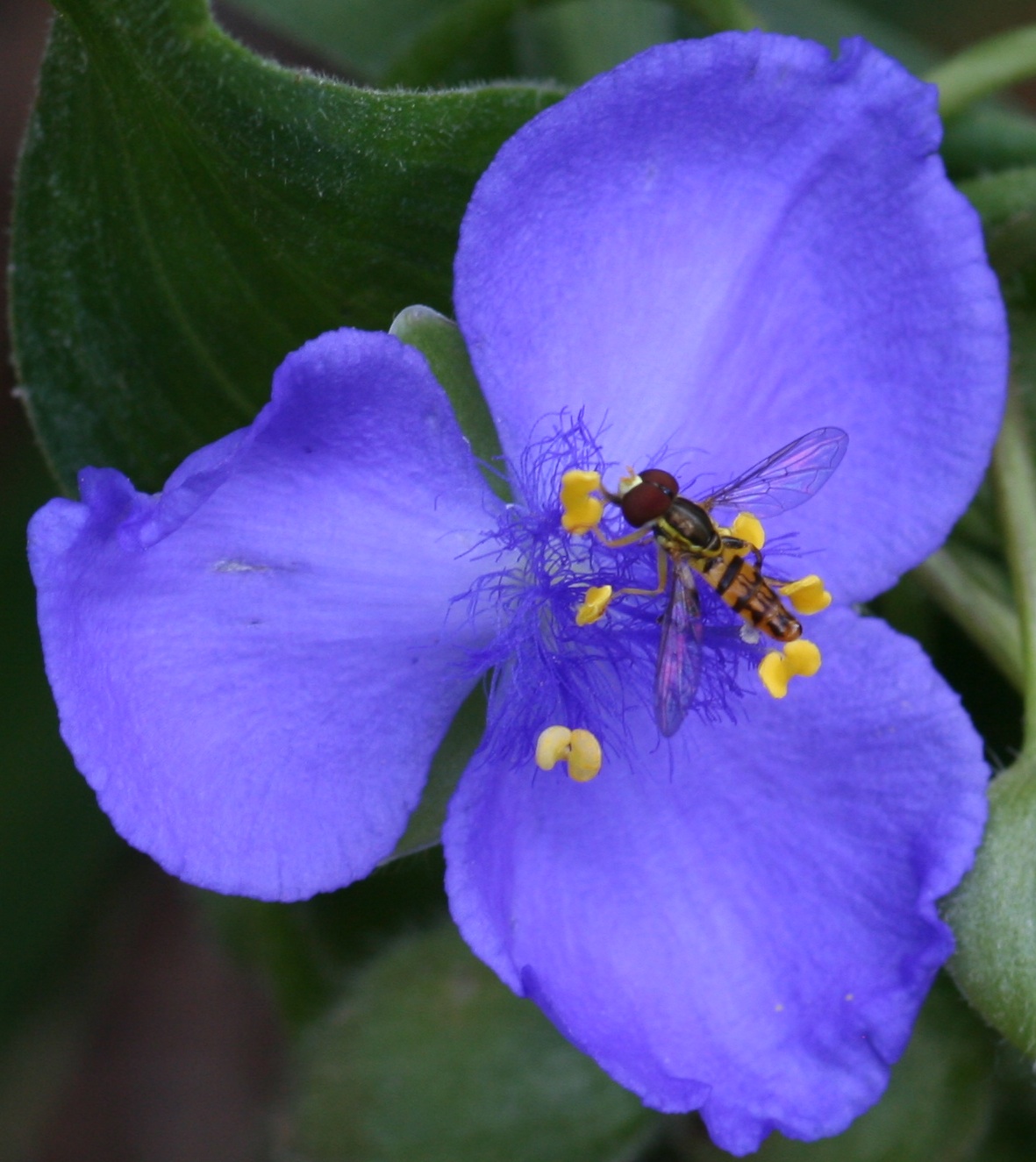 Virginia spiderwortA clump-forming wildflower with blue, purple, pink, or white blooms
Traditions that use it
Days and festivals
Questions people ask about Loy Krathong
What is Loy Krathong?
Loy Krathong is a Thai festival where people float decorated baskets called krathong on water to thank the water goddess and let go of anger or misfortune. It is held on the full moon night of the twelfth Thai lunar month, usually in November.
Where did Loy Krathong originate?
Loy Krathong has roots in Hindu and Brahmanical traditions from India, brought to Southeast Asia during the Khmer Empire. It became a Thai festival in the modern era and is now celebrated in several Southeast Asian countries.
How is a krathong made?
A krathong is traditionally made from a slice of banana tree trunk or bread, decorated with folded banana leaves, flowers, incense sticks, and a candle. Sometimes coins or personal items are added before it is floated on water.
What does Loy Krathong symbolize?
Floating a krathong symbolizes giving thanks to the water goddess and letting go of past negativity, anger, or misfortune. The candle honors the Buddha, and the act is seen as a way to start anew.
When is Loy Krathong celebrated?
Loy Krathong is celebrated on the evening of the full moon in the twelfth month of the traditional Thai lunar calendar, which usually falls in November.
Good reading and sources
The facts on this page come from the Wikipedia article "Loy Krathong", written by its contributors and used under the CC BY-SA 4.0 licence, and from its Wikidata record (CC0). Phool rewrote the text in its own words, with AI assistance, and compares every page with the article to make sure no passage is copied. It may be reused under the same CC BY-SA 4.0 licence with a link back.
It may contain mistakes. If something is wrong, tell us. Last refreshed 2026-10-03.
More of the same kind
 Decoration
Bonsai盆栽
The Japanese art of shaping miniature trees in shallow pots
🇯🇵 Japan and 7 more · Art or design
Decoration
Bonsai盆栽
The Japanese art of shaping miniature trees in shallow pots
🇯🇵 Japan and 7 more · Art or design
 Decoration
Tokonoma床の間
A Japanese alcove for displaying scrolls and flower arrangements
🇯🇵 Japan · Arrangement
Decoration
Tokonoma床の間
A Japanese alcove for displaying scrolls and flower arrangements
🇯🇵 Japan · Arrangement
 Decoration
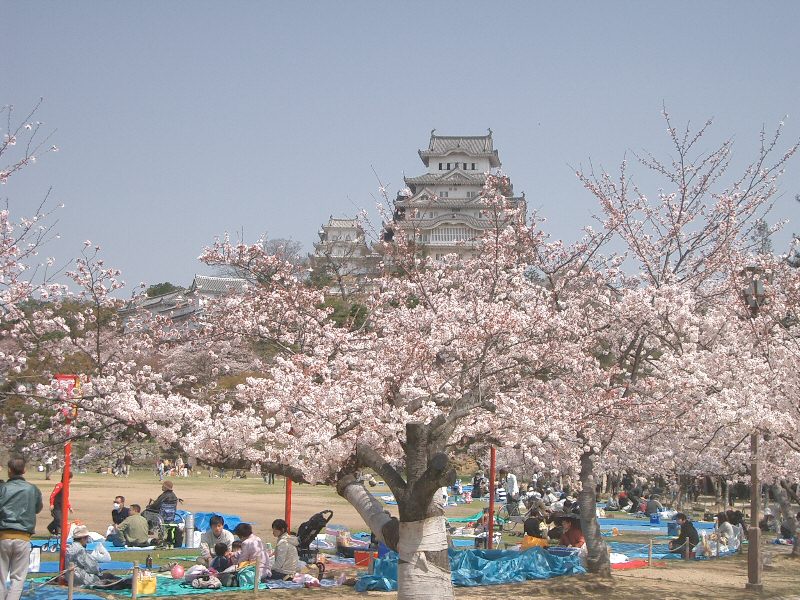
Hanami花見
The Japanese tradition of gathering to enjoy cherry blossoms in spring
🇯🇵 Japan and 7 more · Custom, Jan to May
Decoration
Hanami花見
The Japanese tradition of gathering to enjoy cherry blossoms in spring
🇯🇵 Japan and 7 more · Custom, Jan to May
 Decoration
Sōgetsu草月流
A modern school of Japanese ikebana open to all materials and styles
🇯🇵 Japan · Arrangement
Decoration
Sōgetsu草月流
A modern school of Japanese ikebana open to all materials and styles
🇯🇵 Japan · Arrangement
More from Thailand
All the flowers of Thailand Decoration
Phuang malaiพวงมาลัย
Thai floral garlands made for offerings, gifts, and ceremonies
🇹🇭 Thailand · Garland or wreath
Decoration
Phuang malaiพวงมาลัย
Thai floral garlands made for offerings, gifts, and ceremonies
🇹🇭 Thailand · Garland or wreath
 Decoration
Songkranสงกรานต์
The Thai New Year marked by water rituals and festive gatherings in April
🇹🇭 Thailand · Custom, April
Decoration
Songkranสงกรานต์
The Thai New Year marked by water rituals and festive gatherings in April
🇹🇭 Thailand · Custom, April
 Decoration
Vesak
The Buddhist festival marking the Buddha’s birth, enlightenment, and passing
🇱🇰 Sri Lanka and 7 more · Custom, Apr to Jun
Decoration
Vesak
The Buddhist festival marking the Buddha’s birth, enlightenment, and passing
🇱🇰 Sri Lanka and 7 more · Custom, Apr to Jun
 Decoration
Kolamகோலம்
South Indian geometric floor art made with rice flour or powder at home entrances
🇮🇳 India and 5 more · Carpet or floor pattern
Decoration
Kolamகோலம்
South Indian geometric floor art made with rice flour or powder at home entrances
🇮🇳 India and 5 more · Carpet or floor pattern