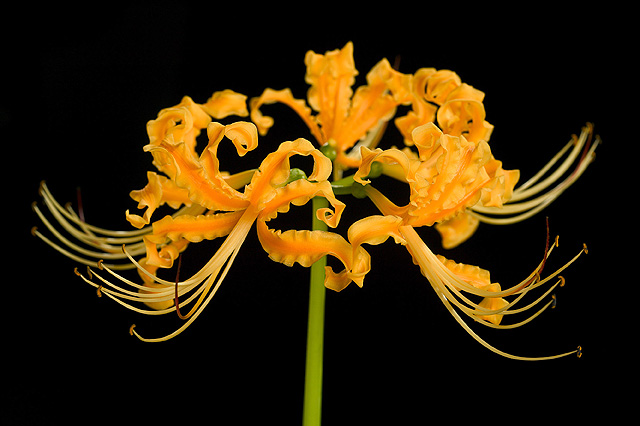
Lycoris
Bulb flowers of Asia, known for their bright blooms and leafless stems
Lycoris is a group of bulbous perennials from eastern and southern Asia, grown for their showy flowers in red, white, yellow, or orange. These plants often bloom on bare stems, with leaves and flowers appearing at different times, and are used in gardens, festivals, and as funeral flowers in Japan and China.
- Lycoris blooms on leafless stems in late summer or autumn
- Flowers come in red, white, yellow, or orange shades
- Widely planted in Japan along rice fields and used in funerals
- Many species are sterile and spread by dividing bulbs
- Linked to Buddhist legends about the afterlife
What does Lycoris look like?
Lycoris plants grow from bulbs and send up long, slender leaves that reach 30 to 60 cm in length. Their flowers appear on upright stems without leaves, grouped in clusters of four to eight. The blooms can be red, white, yellow, or orange, and some have long, thread-like stamens that give them a spider-like look. The flowers are followed by seed capsules, but many species do not set seed and spread by bulbs.
Where does Lycoris come from?
Lycoris is native to eastern and southern Asia, found in China, Japan, Korea, and nearby regions. The genus includes about 20 species, many of which are believed to be hybrids and reproduce only by dividing bulbs. Lycoris has been cultivated in China and Japan for centuries, especially along rice fields and in gardens. Some species have naturalized in the United States and Seychelles.
When and how Lycoris blooms
Lycoris blooms in summer or autumn, often after the leaves have died back. The bulbs are planted in the ground, and the plants thrive in warm, temperate climates. Gardeners select from over 230 cultivars for different flower colors and forms. Many species are sterile and are grown by dividing bulbs rather than from seed.


![Lycoris albiflora Koidz [ 1 ] in Ōmachi, Ichikawa, Chiba pref. Japan シロバナマンジュシャゲ (白花曼珠沙華) ヒガンバナ科)千葉県市川市大町にて](https://thumb.wikimedia.org/wikipedia/commons/thumb/5/5a/White_Lycoris.jpg/960px-White_Lycoris.jpg)

How Lycoris is used
In Japan, Lycoris is planted at the edges of rice paddies and used in funerals, partly due to its association with the afterlife in local legends. In China, the flowers are popular decorations at festivals and celebrations. The bright blooms are valued in gardens and as cut flowers, especially during the blooming season.
Kinds of Lycoris
There are over 20 recognized species, including Lycoris radiata (red spider lily), Lycoris aurea (golden spider lily), and Lycoris squamigera (magic lily). Many hybrids and cultivars exist, with differences in flower color, stamen length, and blooming time. Some species are naturalized outside Asia, such as in the southeastern United States.
What Lycoris means
Lycoris is linked to Buddhist beliefs and is often seen as a flower of farewell or the afterlife, especially in Japan and China. Legends tell of the plant as a guide for souls or as a symbol of parting. The Japanese name higanbana refers to its blooming near the autumn equinox, a time for remembering ancestors.
Where Lycoris is used and seen

Questions people ask about Lycoris
Where does Lycoris come from?
Lycoris is native to eastern and southern Asia, including China, Japan, Korea, Vietnam, Laos, Thailand, Myanmar, and Nepal. It grows wild in these regions and is also widely cultivated.
What does Lycoris look like?
Lycoris plants have long, narrow leaves and produce clusters of bright flowers on bare stems. The flowers can be red, white, yellow, or orange, and some types have long, thread-like stamens.
How is Lycoris used in culture?
In Japan and China, Lycoris is used in festivals, funerals, and as a garden plant. It is associated with Buddhist beliefs about the afterlife and is featured in many local legends.
Why is Lycoris called the spider lily?
Some Lycoris species have long, filament-like stamens that give the flowers a spider-like appearance, which is why they are called spider lilies in English.
Is Lycoris grown outside Asia?
Yes, some species of Lycoris have become naturalized in places like the southeastern United States and Seychelles, where they are grown as ornamental plants.
Good reading and sources
- USDA Plants DatabaseUS Department of Agriculture, Article
- Plants of the World OnlineRoyal Botanic Gardens, Kew, Plant database
- Where it has been recordedGBIF, Plant database
- Sightings and photos by naturalistsiNaturalist, Plant database
- Lycoris (plant) on WikipediaEncyclopedia
- More photos on Wikimedia CommonsPhotos
- Wikidata recordOpen data
The facts on this page come from the Wikipedia article "Lycoris (plant)", written by its contributors and used under the CC BY-SA 4.0 licence, and from its Wikidata record (CC0). Phool rewrote the text in its own words, with AI assistance, and compares every page with the article to make sure no passage is copied. It may be reused under the same CC BY-SA 4.0 licence with a link back.
It may contain mistakes. It is not medical or foraging advice: many flowers are poisonous, and traditional uses are reported, not recommended. If something is wrong, tell us. Last refreshed 2026-10-03.
Others in the family Amaryllidaceae
The whole family Narcissus
Spring-flowering bulbs with trumpet-shaped blooms in white, yellow, and orange
🇬🇧 United Kingdom and 7 more · Wildflower
Narcissus
Spring-flowering bulbs with trumpet-shaped blooms in white, yellow, and orange
🇬🇧 United Kingdom and 7 more · Wildflower
 Allium
The genus of onions, garlic, leeks, chives and their wild relatives
Allium · Wildflower
Allium
The genus of onions, garlic, leeks, chives and their wild relatives
Allium · Wildflower
 Wild GarlicAllium ursinum
A wild woodland plant with star-shaped white flowers and edible leaves
🇮🇪 Ireland · Wildflower
Wild GarlicAllium ursinum
A wild woodland plant with star-shaped white flowers and edible leaves
🇮🇪 Ireland · Wildflower
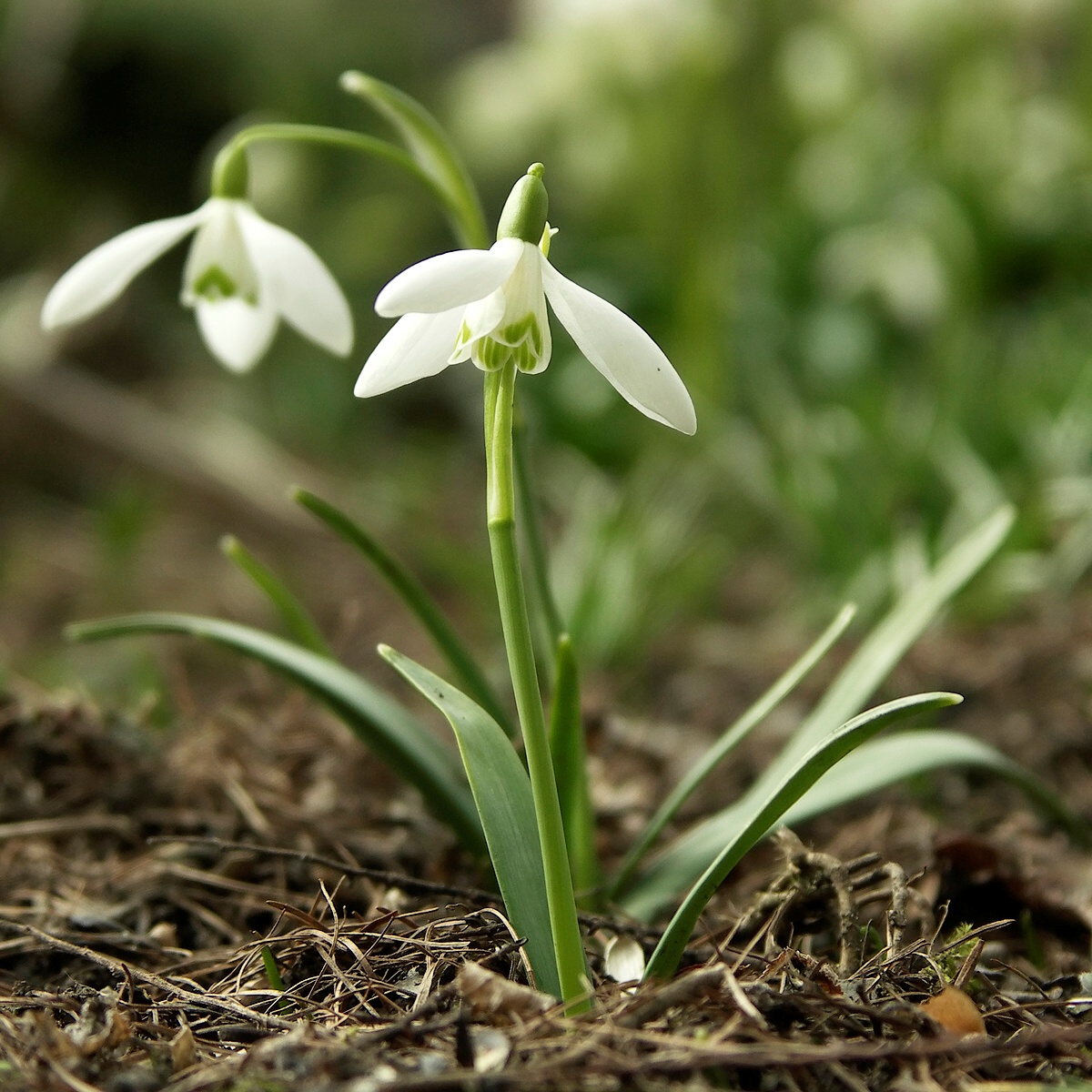 SnowdropGalanthus
White bell-shaped flowers that bloom at the end of winter
🇹🇷 Turkey and 7 more · Wildflower
SnowdropGalanthus
White bell-shaped flowers that bloom at the end of winter
🇹🇷 Turkey and 7 more · Wildflower
More from China
All the flowers of China PeachPrunus persica
A flowering fruit tree from China, grown for its pink blossoms and sweet fruit
🇨🇳 China and 7 more · Flowering tree
PeachPrunus persica
A flowering fruit tree from China, grown for its pink blossoms and sweet fruit
🇨🇳 China and 7 more · Flowering tree
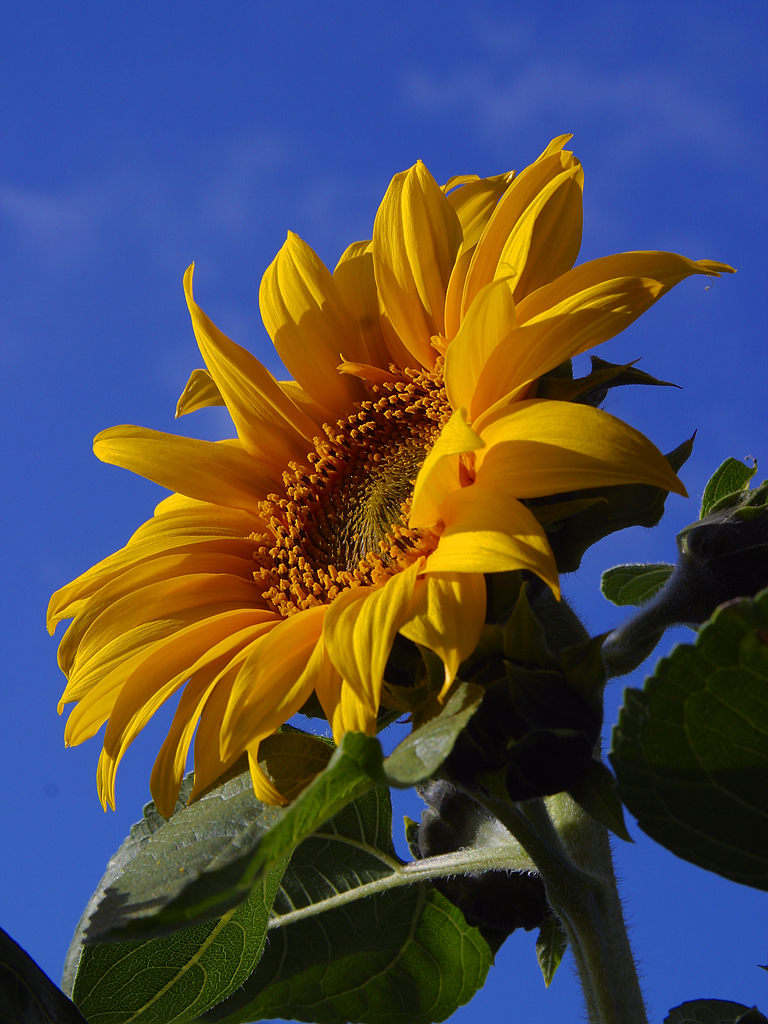 Common sunflowerHelianthus annuus
A tall annual plant grown for its large yellow flower heads and edible seeds
🇨🇦 Canada and 4 more · Wildflower
Common sunflowerHelianthus annuus
A tall annual plant grown for its large yellow flower heads and edible seeds
🇨🇦 Canada and 4 more · Wildflower
 PomegranatePunica granatum
A shrub with bright red flowers and a fruit full of edible seeds
🇮🇷 Iran and 9 more · Flowering shrub
PomegranatePunica granatum
A shrub with bright red flowers and a fruit full of edible seeds
🇮🇷 Iran and 9 more · Flowering shrub
 BirchBetula
Slender trees with papery bark found across the northern world
🇨🇳 China and 7 more · Wildflower
BirchBetula
Slender trees with papery bark found across the northern world
🇨🇳 China and 7 more · Wildflower