
Vesak
The Buddhist festival marking the Buddha’s birth, enlightenment, and passing
Vesak is a major Buddhist festival celebrated in many Asian countries, honouring the birth, enlightenment, and death of Gautama Buddha. Marked by temple visits, offerings of flowers and candles, acts of charity, and symbolic rituals, Vesak brings communities together each year, usually in May or June.
- Honours the Buddha’s birth, enlightenment, and passing
- Observed in many Asian countries each spring
- Offerings of flowers and candles are central rituals
- Acts of charity and compassion are encouraged
- Includes temple gatherings and processions
What is Vesak?
Vesak is a festival observed by Buddhists that centres on temple gatherings, rituals, and acts of generosity. People bring flowers, light candles and incense, and decorate altars with offerings. Some wear white clothing and spend the day at temples, listening to teachings and taking part in ceremonies. The day is marked by processions, chanting, and sometimes releasing captive animals as a symbol of compassion.
Where does Vesak come from?
The tradition of Vesak comes from South and Southeast Asia, where it is rooted in the lunar month of Vaisakha. Although Buddhist festivals have long histories, Vesak was formally recognized as a shared celebration at a 1950 conference in Sri Lanka. The United Nations began observing Vesak in 2000. The festival is based on the belief that the Buddha’s birth, enlightenment, and death all occurred on the same date.
How Vesak is made
Vesak is prepared by cleaning and decorating temples, setting up altars, and arranging flowers and candles. Devotees gather before dawn to raise the Buddhist flag and sing hymns. Offerings are placed at the Buddha’s feet, and some temples set up a statue of the Buddha for ritual bathing with water or sweet tea. Vegetarian food is often prepared and shared, and charitable acts are encouraged.


When and where Vesak is used
Vesak is celebrated by Buddhists in many countries, with temple visits, offerings, and acts of kindness. People listen to sermons, meditate, and observe special precepts. In some places, the festival includes processions, dances, and cultural performances. Releasing animals and giving to charity are common ways to mark the day. The date varies by country but usually falls in May or June.
Forms of Vesak
Vesak goes by different names and customs across Asia. In Thailand, it is called Visakha Bucha Day and features candlelight processions. Myanmar observes the Bodhi tree watering festival. Laos includes rocket launches to call for rain. In Japan, Buddha’s Birthday is marked in April, while other countries follow lunar calendars. Some regions celebrate over two days.
What Vesak means
Vesak is a time for Buddhists to reflect on the Buddha’s teachings and practice compassion. The festival emphasizes impermanence, symbolized by the fading of flowers and burning of candles. It is a public holiday in many countries and encourages harmony and respect among different faiths. The day is also marked by charitable giving and community service.
Questions people ask about Vesak
Where is Vesak celebrated?
Vesak is observed in countries across South and Southeast Asia, including Sri Lanka, Thailand, Vietnam, India, Nepal, Myanmar, Laos, and Indonesia. It is also marked in places with Buddhist communities worldwide.
What does Vesak commemorate?
Vesak marks three key events in the life of Gautama Buddha: his birth, his enlightenment, and his passing into final nirvana. These are believed to have occurred on the same date according to Buddhist tradition.
How do people celebrate Vesak?
People visit temples, offer flowers, candles, and incense, listen to teachings, and take part in processions. Many also perform acts of charity, release animals, and observe a vegetarian diet for the day.
When does Vesak take place?
The festival usually falls in April, May, or June, depending on the lunar calendar used in each country. The exact date changes each year.
What is the meaning of offering flowers during Vesak?
Offering flowers reminds participants of life’s impermanence, as the flowers will fade and wither. It is a symbolic act to reflect on the teachings of the Buddha.
Good reading and sources
- Encyclopaedia BritannicaArticle
- Vesak 2023: What is it and how do Buddhists celebrate Buddha Day or Wesak?BBC, Article
- Yeondeunghoe, lantern lighting festival in the Republic of KoreaUNESCO, Article
- Buddha Purnima 2021: Date, history, significance of Buddha JayantiHindustan Times, Article
The facts on this page come from the Wikipedia article "Vesak", written by its contributors and used under the CC BY-SA 4.0 licence, and from its Wikidata record (CC0). Phool rewrote the text in its own words, with AI assistance, and compares every page with the article to make sure no passage is copied. It may be reused under the same CC BY-SA 4.0 licence with a link back.
It may contain mistakes. If something is wrong, tell us. Last refreshed 2026-10-03.
More of the same kind
 Decoration
Bonsai盆栽
The Japanese art of shaping miniature trees in shallow pots
🇯🇵 Japan and 7 more · Art or design
Decoration
Bonsai盆栽
The Japanese art of shaping miniature trees in shallow pots
🇯🇵 Japan and 7 more · Art or design
 Decoration
Tokonoma床の間
A Japanese alcove for displaying scrolls and flower arrangements
🇯🇵 Japan · Arrangement
Decoration
Tokonoma床の間
A Japanese alcove for displaying scrolls and flower arrangements
🇯🇵 Japan · Arrangement
 Decoration
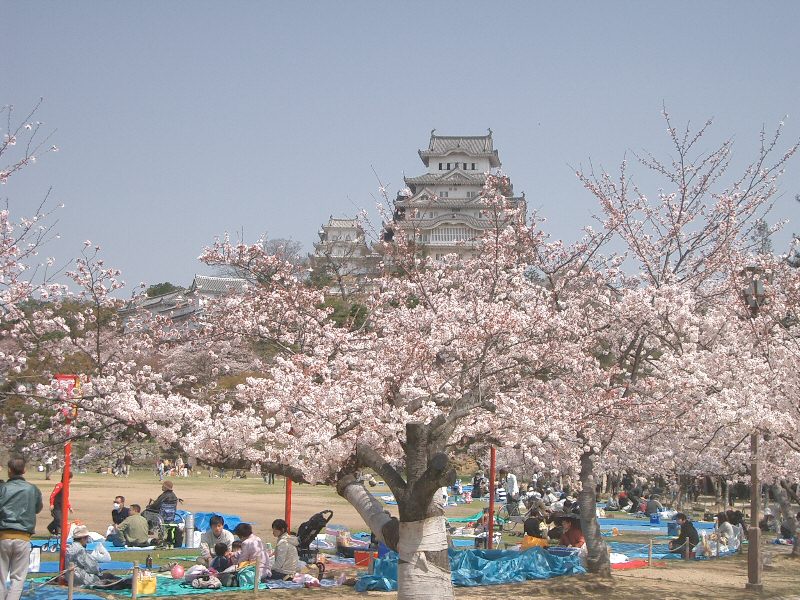
Hanami花見
The Japanese tradition of gathering to enjoy cherry blossoms in spring
🇯🇵 Japan and 7 more · Custom, Jan to May
Decoration
Hanami花見
The Japanese tradition of gathering to enjoy cherry blossoms in spring
🇯🇵 Japan and 7 more · Custom, Jan to May
 Decoration
Sōgetsu草月流
A modern school of Japanese ikebana open to all materials and styles
🇯🇵 Japan · Arrangement
Decoration
Sōgetsu草月流
A modern school of Japanese ikebana open to all materials and styles
🇯🇵 Japan · Arrangement
More from Sri Lanka
All the flowers of Sri Lanka Decoration
Kolamகோலம்
South Indian geometric floor art made with rice flour or powder at home entrances
🇮🇳 India and 5 more · Carpet or floor pattern
Decoration
Kolamகோலம்
South Indian geometric floor art made with rice flour or powder at home entrances
🇮🇳 India and 5 more · Carpet or floor pattern
 Decoration
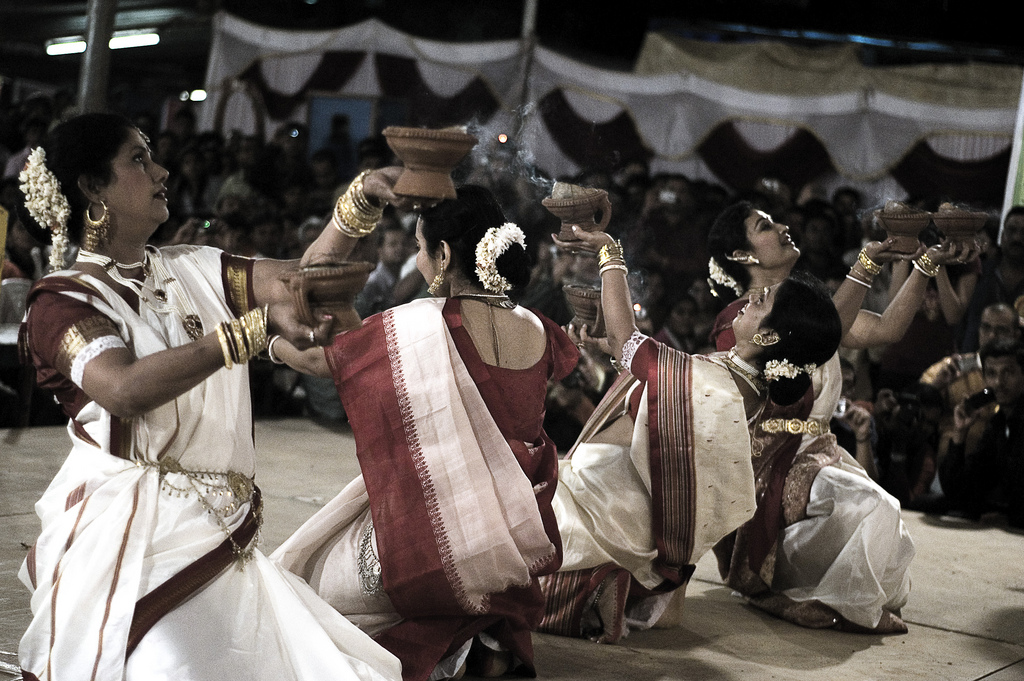
Gajra
A floral hair garland worn by women in South Asia for celebrations and daily wear
🇮🇳 India and 4 more · Garland or wreath
Decoration
Gajra
A floral hair garland worn by women in South Asia for celebrations and daily wear
🇮🇳 India and 4 more · Garland or wreath
 Decoration
Pūjā in Buddhism𑀧𑀽𑀚𑀸
A ritual offering and devotional act in Buddhist practice
🇮🇳 India and 3 more · Offering or rite
Decoration
Pūjā in Buddhism𑀧𑀽𑀚𑀸
A ritual offering and devotional act in Buddhist practice
🇮🇳 India and 3 more · Offering or rite
 Decoration
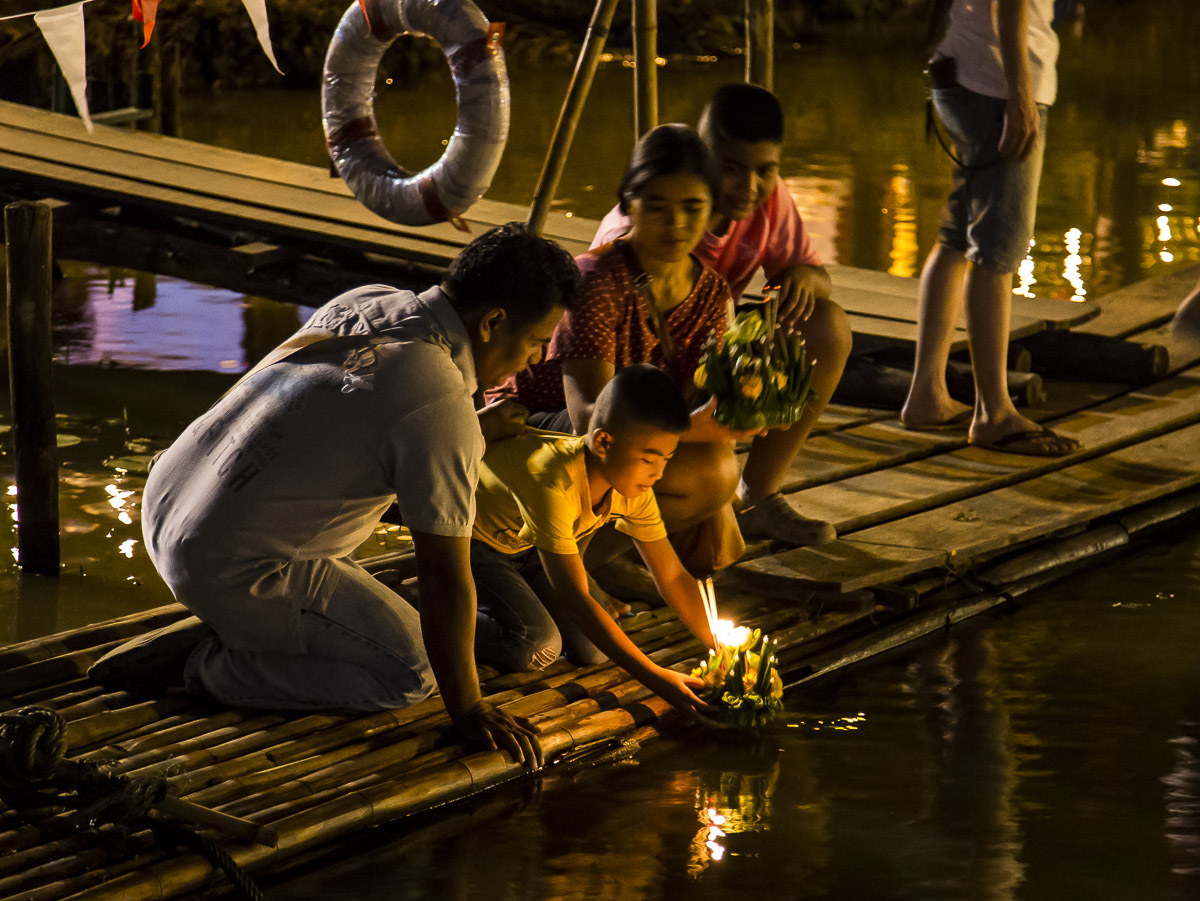
Loy Krathongลอยกระทง
The Thai festival of floating candle-lit baskets on water
🇹🇭 Thailand and 7 more · Custom, November
Decoration
Loy Krathongลอยกระทง
The Thai festival of floating candle-lit baskets on water
🇹🇭 Thailand and 7 more · Custom, November