
Nerine
Bulbous perennials with wavy pink to red flowers from southern Africa
Nerine is a group of bulb plants from South Africa, known for their clusters of lily-like flowers in shades of white, pink, and red. These perennials are grown in gardens worldwide, with some species flowering on bare stems before their leaves appear.
- Native to rocky, dry areas of southern Africa
- Flowers appear in clusters, often before leaves
- Blooms range from white to deep red
- Many species are threatened in the wild
- Widely grown and hybridized for gardens
What does Nerine look like?
Nerine plants grow from bulbs and produce flower clusters on leafless stems. Their blooms have six narrow, wavy petals, usually in pink, white, or red, and are shaped somewhat like lilies. The leaves can be thin and threadlike or flat and strap-shaped, depending on the species. Flowers are carried in round heads and often appear before the leaves on some types. The overall look is delicate and airy, with a striking display when several plants bloom together.
Where does Nerine come from?
Nerine species are native to rocky and dry regions of southern Africa, including South Africa and nearby countries. The genus was named in 1820 by William Herbert, though the plants were known in Europe earlier, sometimes under other names. A well-known story tells of bulbs washing ashore on Guernsey after a shipwreck, leading to their spread there. Over time, botanists have described up to 53 species, but modern studies recognize about 23 to 25. The group is closely related to Amaryllis and other southern African bulb plants.
When and how Nerine blooms
Nerines grow from bulbs and can be either evergreen or lose their leaves in the dry season. Some species flower in autumn, sending up blooms before any leaves appear, while others flower with or after the leaves. They thrive in well-drained, rocky soils and are often grown from bulbs in gardens. Many hybrids and cultivars have been developed for their showy flowers, and some are recognized by horticultural societies.


How Nerine is used
Gardeners value Nerine for its late-season flowers and ability to thrive in dry, rocky spots. The flowers are also used as cut blooms and are sometimes given as gifts. In some regions, certain species have become local emblems or are grown for their ornamental value. However, many wild species are now threatened due to habitat loss.
Kinds of Nerine
There are around 23 to 25 recognized species of Nerine, with a wide range of leaf shapes and flowering times. Some are evergreen, while others are deciduous and may flower in different seasons. Many hybrids exist, especially in cultivation, and some, like the 'Zeal Giant' cultivar, have received awards for their garden performance.
What Nerine means
Nerine has a long history in gardens and plant collections, especially in Europe, where stories about its arrival on Guernsey have added to its charm. Though often called lilies, they are not true lilies. Some species are used as symbols or emblems in southern Africa. Conservation concerns have grown as wild populations face threats from habitat change.
Where Nerine is used and seen

Questions people ask about Nerine
Where does Nerine come from?
Nerine is native to southern Africa, especially South Africa and neighboring countries, where it grows in rocky and arid habitats.
What do Nerine flowers look like?
The flowers are carried in round clusters on leafless stems, with six narrow, wavy petals in shades of pink, white, or red, giving a delicate, lily-like appearance.
How is Nerine used by people?
Nerine is grown in gardens for its showy autumn flowers and is used as a cut flower. Some species are local emblems, and many hybrids are popular with gardeners.
Is Nerine related to true lilies?
Despite being called lilies, Nerine is not closely related to true lilies. It belongs to the Amaryllidaceae family, along with Amaryllis and Lycoris.
Are any Nerine species at risk?
Yes, many wild Nerine species are threatened due to habitat loss and environmental changes in their native regions.
Good reading and sources
- USDA Plants DatabaseUS Department of Agriculture, Article
- Plants of the World OnlineRoyal Botanic Gardens, Kew, Plant database
- Where it has been recordedGBIF, Plant database
- Sightings and photos by naturalistsiNaturalist, Plant database
The facts on this page come from the Wikipedia article "Nerine", written by its contributors and used under the CC BY-SA 4.0 licence, and from its Wikidata record (CC0). Phool rewrote the text in its own words, with AI assistance, and compares every page with the article to make sure no passage is copied. It may be reused under the same CC BY-SA 4.0 licence with a link back.
It may contain mistakes. It is not medical or foraging advice: many flowers are poisonous, and traditional uses are reported, not recommended. If something is wrong, tell us. Last refreshed 2026-10-03.
Others in the family Amaryllidaceae
The whole family Narcissus
Spring-flowering bulbs with trumpet-shaped blooms in white, yellow, and orange
🇬🇧 United Kingdom and 7 more · Wildflower
Narcissus
Spring-flowering bulbs with trumpet-shaped blooms in white, yellow, and orange
🇬🇧 United Kingdom and 7 more · Wildflower
 Allium
The genus of onions, garlic, leeks, chives and their wild relatives
Allium · Wildflower
Allium
The genus of onions, garlic, leeks, chives and their wild relatives
Allium · Wildflower
 Wild GarlicAllium ursinum
A wild woodland plant with star-shaped white flowers and edible leaves
🇮🇪 Ireland · Wildflower
Wild GarlicAllium ursinum
A wild woodland plant with star-shaped white flowers and edible leaves
🇮🇪 Ireland · Wildflower
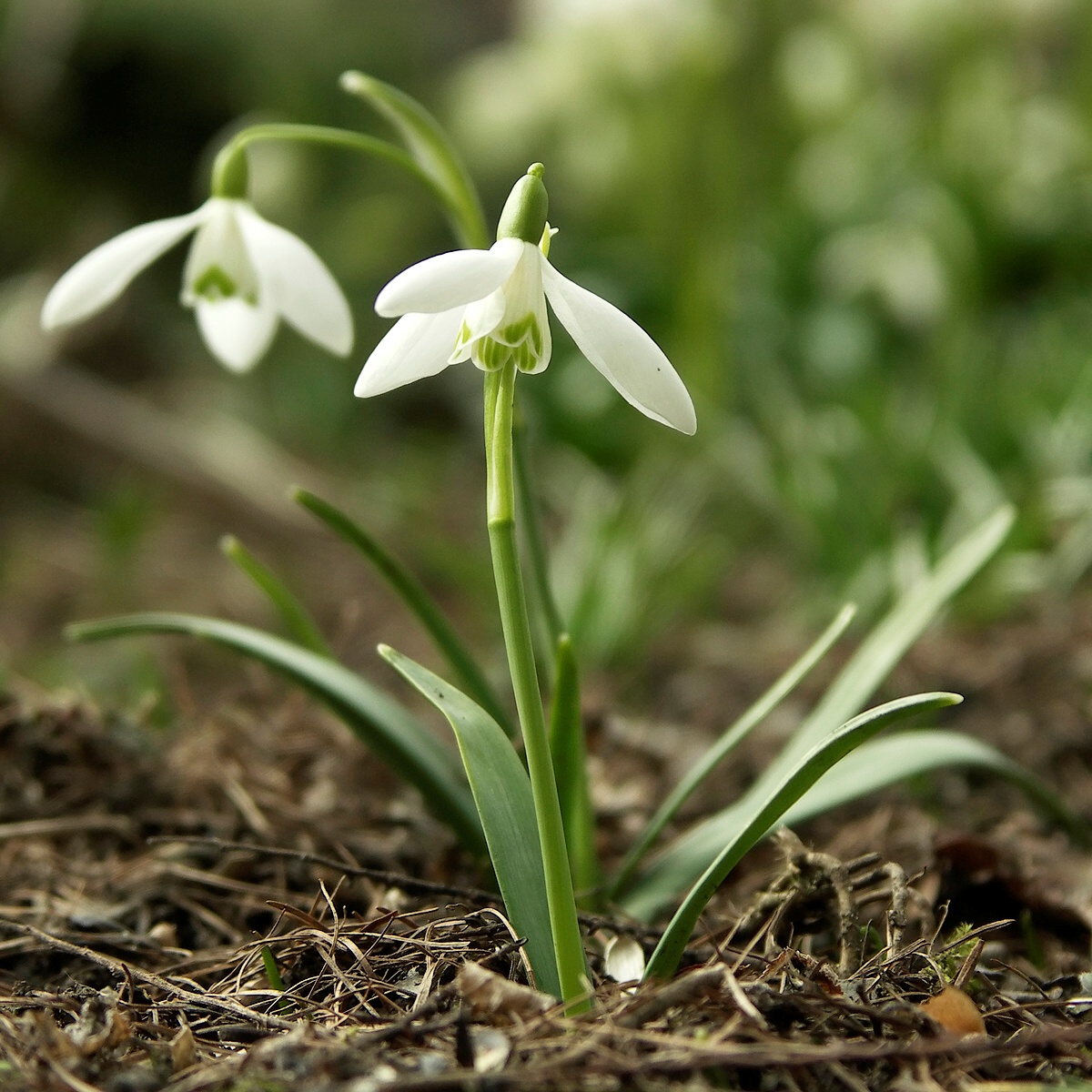 SnowdropGalanthus
White bell-shaped flowers that bloom at the end of winter
🇹🇷 Turkey and 7 more · Wildflower
SnowdropGalanthus
White bell-shaped flowers that bloom at the end of winter
🇹🇷 Turkey and 7 more · Wildflower
More from South Africa
All the flowers of South Africa Eucalyptus
The tall, aromatic trees and shrubs known as gum trees or eucalypts
🇦🇺 Australia and 7 more · Flowering tree
Eucalyptus
The tall, aromatic trees and shrubs known as gum trees or eucalypts
🇦🇺 Australia and 7 more · Flowering tree
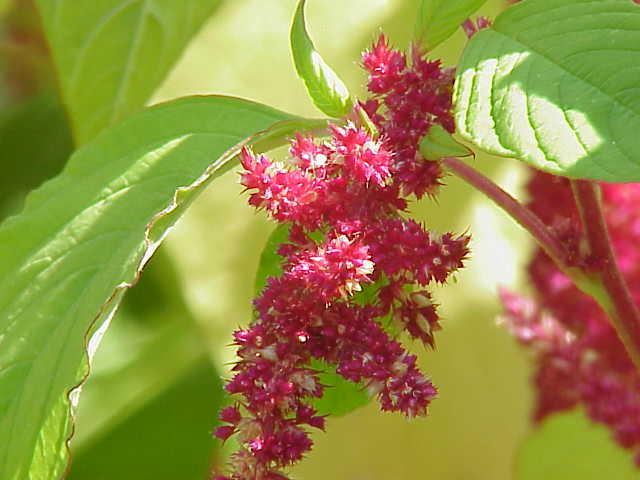 AmaranthAmaranthus
A tall, colourful plant grown for its flowers, leaves and edible seeds
🇲🇽 Mexico and 7 more · Wildflower
AmaranthAmaranthus
A tall, colourful plant grown for its flowers, leaves and edible seeds
🇲🇽 Mexico and 7 more · Wildflower
 Acacia
Shrubs and trees with golden or cream puffball flowers, native mostly to Australia
🇦🇺 Australia and 6 more · Wildflower
Acacia
Shrubs and trees with golden or cream puffball flowers, native mostly to Australia
🇦🇺 Australia and 6 more · Wildflower
 Sensitive PlantMimosa pudica
A touch-sensitive plant whose leaves fold up when disturbed
🇧🇷 Brazil and 8 more · Wildflower
Sensitive PlantMimosa pudica
A touch-sensitive plant whose leaves fold up when disturbed
🇧🇷 Brazil and 8 more · Wildflower