
Sensitive Plant
Mimosa pudica, family Fabaceae
A touch-sensitive plant whose leaves fold up when disturbed
Sensitive plant is a creeping perennial from tropical America, now found in many warm regions worldwide. Its feathery leaves quickly close up when touched or shaken, making it popular as a curiosity in gardens and homes. The plant has small pink or purple ball-shaped flowers and is known for its rapid movement.
- Leaves fold up quickly when touched or shaken
- Native to tropical America, now found worldwide in warm climates
- Produces small, round pink or purple flower heads in summer
- Can improve poor soils by fixing nitrogen
- Sometimes used in traditional medicine, but contains toxic compounds
What does Sensitive Plant look like?
Sensitive plant grows low to the ground, with young stems standing upright before trailing as they age. The stems are thin and may have small prickles. Its leaves are divided into many tiny leaflets, arranged in pairs along a central stalk. When touched, the leaflets fold together and the leaf droops. In summer, it produces small, round clusters of soft pink or purple flowers, each only about a centimeter across. The plant also forms short, prickly seed pods.
Where does Sensitive Plant come from?
Native to the tropical parts of the Americas, sensitive plant was first described by Carl Linnaeus in the 18th century. Its name 'pudica' comes from Latin, meaning shy or bashful, a nod to its leaf-folding response. Over time, it has spread to many tropical and subtropical regions, often becoming a weed. It is now found in parts of Asia, Africa, Australia, and the southern United States.
When and how Sensitive Plant blooms
Sensitive plant is usually grown from seed, which can take a few weeks to sprout. It prefers warm, sunny spots and soil that drains well but is low in nutrients. The plant does not tolerate shade or cold. In cooler climates, it is often grown indoors or in greenhouses. It thrives in disturbed or open ground, where it can spread easily.



How Sensitive Plant is used
People grow sensitive plant mainly for its unusual leaf movement, making it a favorite in homes, classrooms, and gardens. In some places, parts of the plant are used in traditional remedies, though it contains substances that can be toxic. Its ability to fix nitrogen helps improve poor soils, and it has been studied for cleaning up polluted ground.
Kinds of Sensitive Plant
There are no widely grown named varieties, but sensitive plant shows some differences in size and leaf shape across its wide range. In Hawaii, a local form is known to be harmful to livestock. The plant’s leaf-folding response may vary in speed and sensitivity depending on growing conditions and age.
What Sensitive Plant means
Sensitive plant is often used as an example of rapid movement in plants and is popular in science education. Its leaf-folding has inspired curiosity and scientific study for centuries. In some regions, it is considered a weed and can be invasive, affecting crops and native plants. It is not widely used in symbolic or religious traditions.
Where Sensitive Plant is used and seen
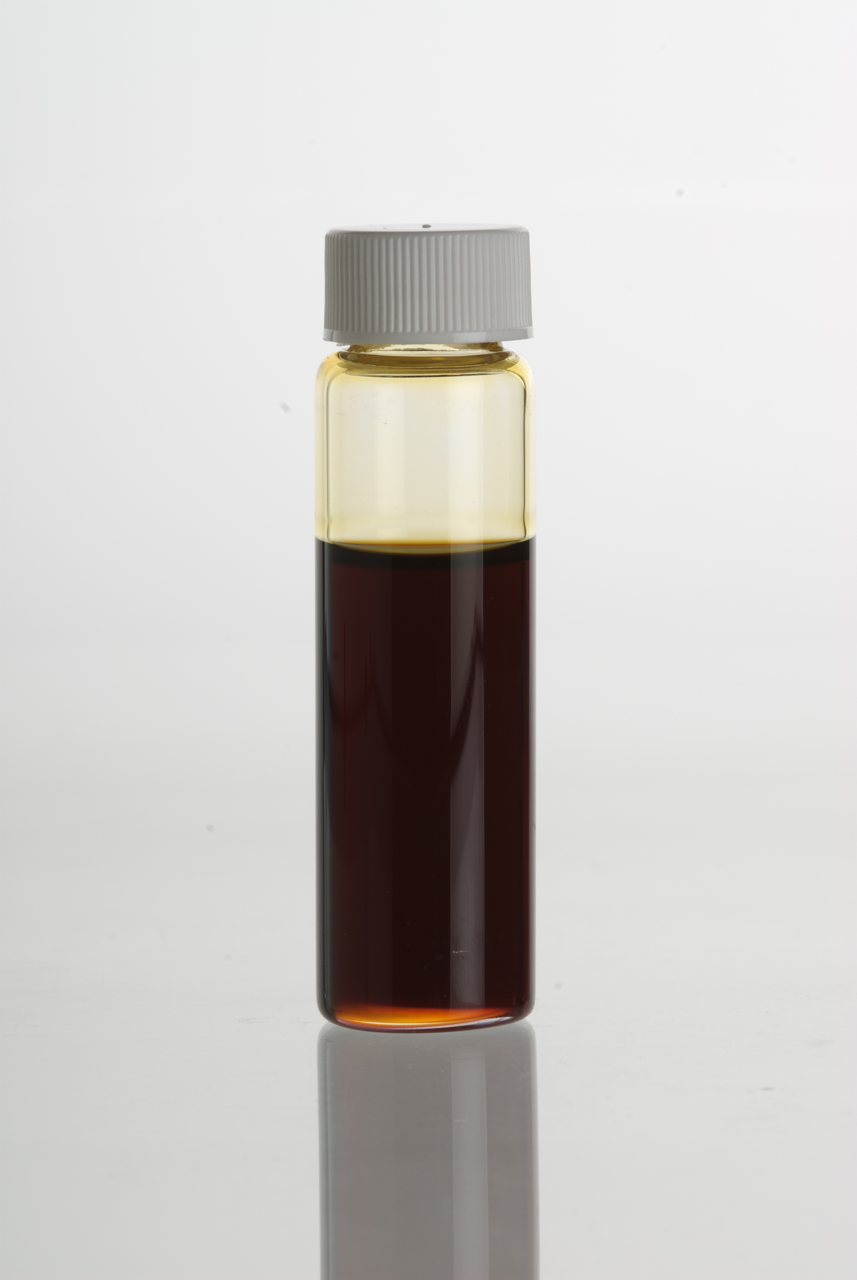 AbsoluteA concentrated aromatic plant extract used in perfumery
 Da LatVietnam’s highland city famous for flowers, cool climate, and French villas
 NosegayA small hand-held bouquet with hidden meanings and a long history
 language of flowersA way of sending secret messages using flowers and their meanings
Questions people ask about Sensitive Plant
Where does the sensitive plant come from?
Sensitive plant is native to tropical regions of the Americas, especially South and Central America and the Caribbean. It has since spread to many other warm parts of the world.
Why do the leaves close when touched?
The leaves fold up in response to touch, vibration, or warmth as a rapid movement. This may help protect the plant from being eaten or reduce water loss.
What does the sensitive plant look like?
It is a low-growing plant with feathery, divided leaves and thin, sometimes prickly stems. In summer, it produces small, round clusters of pink or purple flowers.
Is the sensitive plant used for anything?
It is mostly grown for its interesting leaf movement. In some places, it is used in traditional medicine, and it can help improve poor soils by fixing nitrogen.
Is the sensitive plant safe?
Sensitive plant contains substances that can be toxic, especially to livestock. It is best enjoyed as a curiosity and not eaten.
Good reading and sources
- Encyclopaedia BritannicaArticle
- Mimosa pudicaRoyal Horticultural Society, Article
- IUCN Red List of Threatened SpeciesIUCN Red List, Article
- Plants of the World OnlineRoyal Botanic Gardens, Kew, Plant database
- Where it has been recordedGBIF, Plant database
- Sightings and photos by naturalistsiNaturalist, Plant database
- Mimosa pudica on WikipediaEncyclopedia
- More photos on Wikimedia CommonsPhotos
- Wikidata recordOpen data
The facts on this page come from the Wikipedia article "Mimosa pudica", written by its contributors and used under the CC BY-SA 4.0 licence, and from its Wikidata record (CC0). Phool rewrote the text in its own words, with AI assistance, and compares every page with the article to make sure no passage is copied. It may be reused under the same CC BY-SA 4.0 licence with a link back.
It may contain mistakes. It is not medical or foraging advice: many flowers are poisonous, and traditional uses are reported, not recommended. If something is wrong, tell us. Last refreshed 2026-10-03.
Others in the family Fabaceae
The whole family Acacia
Shrubs and trees with golden or cream puffball flowers, native mostly to Australia
🇦🇺 Australia and 6 more · Wildflower
Acacia
Shrubs and trees with golden or cream puffball flowers, native mostly to Australia
🇦🇺 Australia and 6 more · Wildflower
 Black locustRobinia pseudoacacia
A tall, fragrant-flowered tree native to eastern North America
🇺🇸 United States and 7 more · Flowering tree
Black locustRobinia pseudoacacia
A tall, fragrant-flowered tree native to eastern North America
🇺🇸 United States and 7 more · Flowering tree
 LupinLupinus
Tall, spiky-flowered legumes grown for gardens, food, and soil health
🇺🇸 United States and 7 more · Wildflower
LupinLupinus
Tall, spiky-flowered legumes grown for gardens, food, and soil health
🇺🇸 United States and 7 more · Wildflower
 White cloverTrifolium repens
A low-growing, mat-forming clover with white flower heads
🇨🇳 China and 7 more · Wildflower
White cloverTrifolium repens
A low-growing, mat-forming clover with white flower heads
🇨🇳 China and 7 more · Wildflower
More from Brazil
All the flowers of Brazil CactusCactaceae
Succulent plants with spines, native to the Americas
🇲🇽 Mexico and 7 more · Wildflower
CactusCactaceae
Succulent plants with spines, native to the Americas
🇲🇽 Mexico and 7 more · Wildflower
 Eucalyptus
The tall, aromatic trees and shrubs known as gum trees or eucalypts
🇦🇺 Australia and 7 more · Flowering tree
Eucalyptus
The tall, aromatic trees and shrubs known as gum trees or eucalypts
🇦🇺 Australia and 7 more · Flowering tree
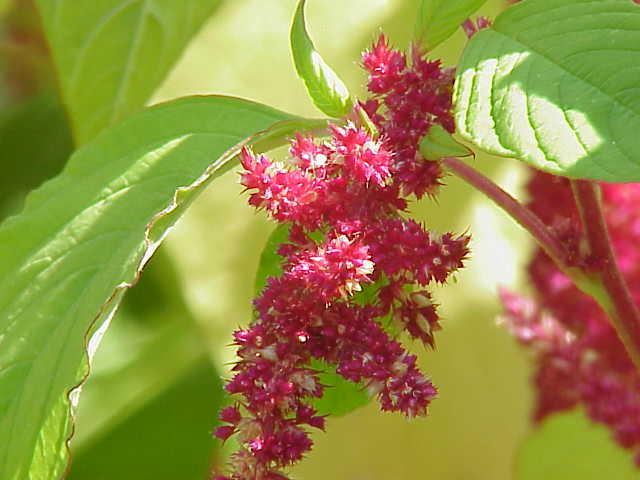 AmaranthAmaranthus
A tall, colourful plant grown for its flowers, leaves and edible seeds
🇲🇽 Mexico and 7 more · Wildflower
AmaranthAmaranthus
A tall, colourful plant grown for its flowers, leaves and edible seeds
🇲🇽 Mexico and 7 more · Wildflower
 Passion fruitPassiflora edulis
A tropical vine grown for its sweet-sour, aromatic fruit
🇧🇷 Brazil and 6 more · Climber
Passion fruitPassiflora edulis
A tropical vine grown for its sweet-sour, aromatic fruit
🇧🇷 Brazil and 6 more · Climber