
Ylang-ylang
Cananga odorata, family Annonaceae
A tropical tree with highly fragrant yellow flowers used for perfume and decoration
Ylang-ylang is a tall, fast-growing evergreen tree native to tropical Asia and northern Australia. Its long, yellow, sweet-scented flowers are valued for their essential oil, widely used in perfumes, soaps, and traditional customs in Southeast Asia and the Pacific.
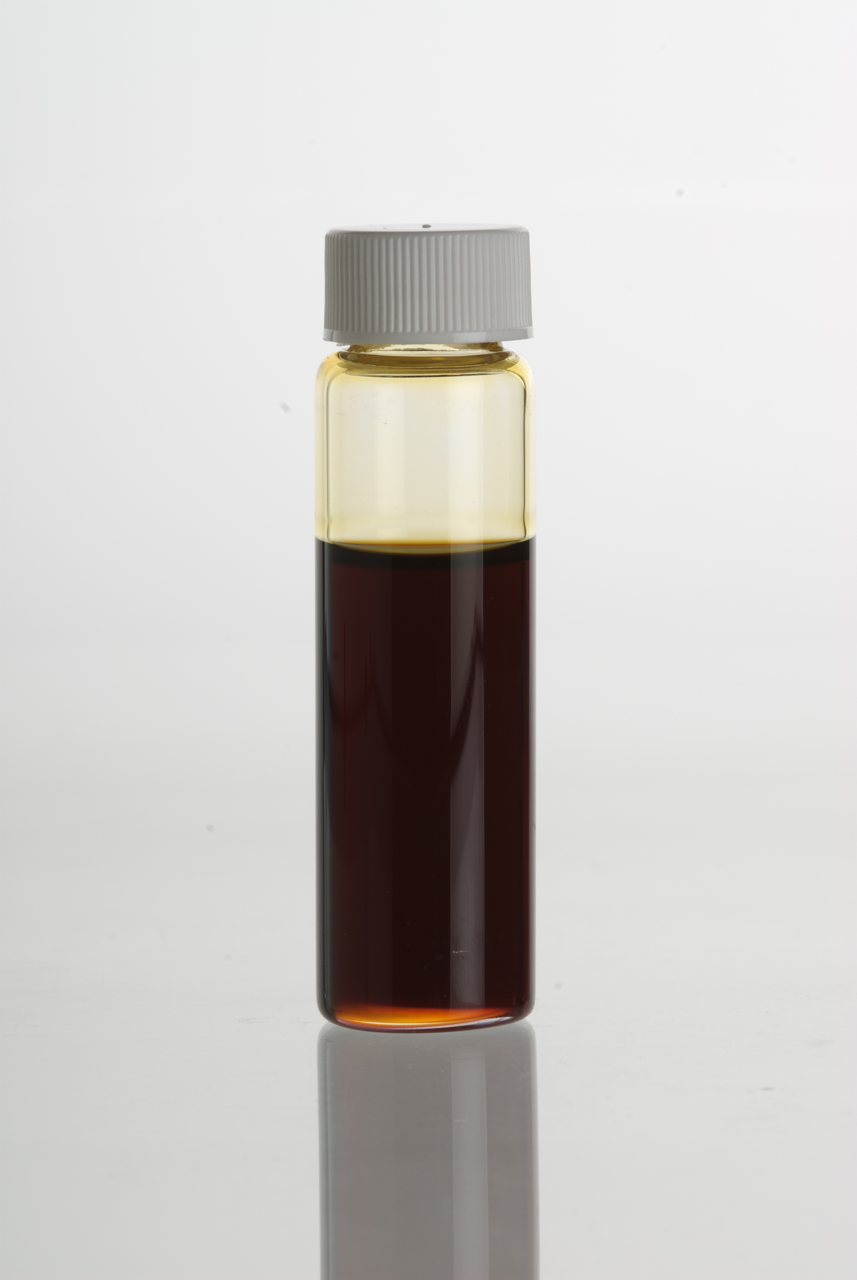
- Ylang-ylang oil is a key ingredient in many perfumes.
- The tree's flowers are highly fragrant and yellow.
- Flowers are used in wedding and religious customs in Indonesia and the Philippines.
- Native from Indochina to northeastern Australia.
- Ylang-ylang oil is a major export for Madagascar and Comoros.
What does Ylang-ylang look like?
Ylang-ylang is a large evergreen tree that can reach up to 30 meters in height. Its leaves are compound, with pointed, wavy-edged leaflets. The flowers are held on short stalks and have six long, narrow yellow petals. These flowers are highly fragrant, with a scent described as sweet, floral, and slightly fruity, sometimes compared to jasmine and neroli. The tree also produces clusters of black fruit.
Where does Ylang-ylang come from?
Ylang-ylang is native to the rainforests of Southeast Asia and northern Australia, including regions from Vietnam and Thailand to the Solomon Islands and Queensland. It prefers acidic soils and grows in full or partial sun. The species was first described in 1785 and later placed in the genus Cananga. The name 'ylang-ylang' comes from the Tagalog language, while 'Cananga' is from Malay.
When and how Ylang-ylang blooms
The tree blooms in tropical climates, producing flowers throughout the year. The essential oil is extracted from freshly picked flowers using steam distillation, with the oil separated into grades depending on the stage of distillation. Ylang-ylang is grown both in the wild and in gardens, and is cultivated for its flowers and oil in many tropical countries.


How Ylang-ylang is used
Ylang-ylang flowers are used for their essential oil in perfumes and soaps. In Indonesia, the flowers are spread on the beds of newlyweds, while in the Philippines, they are strung into necklaces for women and to decorate religious images. The oil is an important export for countries like Madagascar and Comoros, and is a key ingredient in Macassar oil.
Kinds of Ylang-ylang
There are two recognized varieties: Cananga odorata var. fruticosa and Cananga odorata var. odorata. The tree is also known by many local names across Southeast Asia and the Pacific. Related species, such as Cananga brandisiana, are less widely used.
What Ylang-ylang means
Ylang-ylang is closely tied to traditional customs in Southeast Asia and the Pacific. Its flowers are symbols of celebration and are used in weddings and festivals. The essential oil is a major ingredient in the global perfume industry, and the tree is valued for both its fragrance and its role in local traditions.
Where Ylang-ylang is used and seen
Traditions that use it
Where to see Ylang-ylang

Questions people ask about Ylang-ylang
Where does ylang-ylang come from?
Ylang-ylang is native to the rainforests of Southeast Asia and northern Australia, including places like Vietnam, Thailand, Malaysia, Indonesia, the Philippines, and Queensland in Australia.
What does ylang-ylang smell like?
The scent of ylang-ylang is strong, sweet, and floral, with notes that can be described as fruity, balsamic, and similar to jasmine and neroli.
How is ylang-ylang used?
Its flowers are used to extract essential oil for perfumes and soaps. In Indonesia, the flowers are spread on newlyweds' beds, and in the Philippines, they are made into necklaces for women and religious images.
What does ylang-ylang symbolize?
Ylang-ylang flowers are symbols of celebration and are used in weddings and festivals in Southeast Asia and the Pacific.
Are there different types of ylang-ylang?
Yes, there are two main varieties: Cananga odorata var. fruticosa and Cananga odorata var. odorata.
Good reading and sources
- Encyclopaedia BritannicaArticle
- USDA Plants DatabaseUS Department of Agriculture, Article
- IUCN Red List of Threatened SpeciesIUCN Red List, Article
- Plants of the World OnlineRoyal Botanic Gardens, Kew, Plant database
- Where it has been recordedGBIF, Plant database
- Sightings and photos by naturalistsiNaturalist, Plant database
- Cananga odorata on WikipediaEncyclopedia
- More photos on Wikimedia CommonsPhotos
- Wikidata recordOpen data
The facts on this page come from the Wikipedia article "Cananga odorata", written by its contributors and used under the CC BY-SA 4.0 licence, and from its Wikidata record (CC0). Phool rewrote the text in its own words, with AI assistance, and compares every page with the article to make sure no passage is copied. It may be reused under the same CC BY-SA 4.0 licence with a link back.
It may contain mistakes. It is not medical or foraging advice: many flowers are poisonous, and traditional uses are reported, not recommended. If something is wrong, tell us. Last refreshed 2026-10-03.
Others in the family Annonaceae
The whole family Cananga
A small genus of tropical trees in the custard apple family
Cananga · Flowering tree
Cananga
A small genus of tropical trees in the custard apple family
Cananga · Flowering tree
 Mitrephora
A group of trees and shrubs with unusual petal shapes from Asia to Australia
Mitrephora · Flowering tree
Mitrephora
A group of trees and shrubs with unusual petal shapes from Asia to Australia
Mitrephora · Flowering tree
 Sphaerocoryne lefevreiរំដួល
A fragrant Southeast Asian tree with cream to yellow blossoms
🇰🇭 Cambodia and 3 more · Wildflower
Sphaerocoryne lefevreiរំដួល
A fragrant Southeast Asian tree with cream to yellow blossoms
🇰🇭 Cambodia and 3 more · Wildflower
More from Vietnam
All the flowers of Vietnam Sacred lotusNelumbo nucifera
The pink aquatic flower sacred in Asia and grown for food, worship and beauty
🇮🇳 India and 7 more · Water flower
Sacred lotusNelumbo nucifera
The pink aquatic flower sacred in Asia and grown for food, worship and beauty
🇮🇳 India and 7 more · Water flower
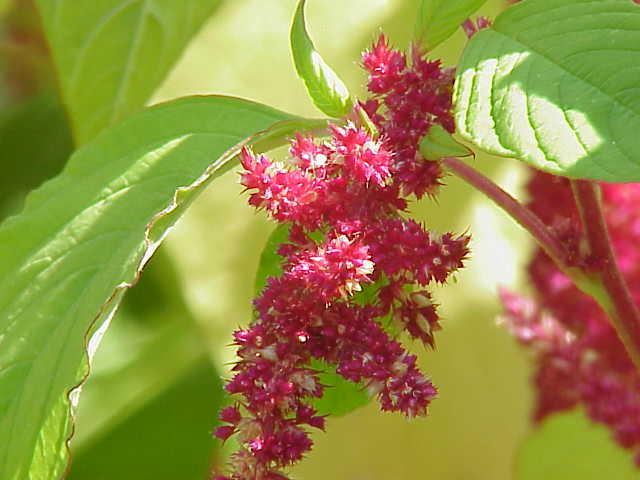 AmaranthAmaranthus
A tall, colourful plant grown for its flowers, leaves and edible seeds
🇲🇽 Mexico and 7 more · Wildflower
AmaranthAmaranthus
A tall, colourful plant grown for its flowers, leaves and edible seeds
🇲🇽 Mexico and 7 more · Wildflower
 LotusNelumbo
Aquatic plants with large, round leaves and striking flowers called lotus
🇮🇳 India and 7 more · Water flower
LotusNelumbo
Aquatic plants with large, round leaves and striking flowers called lotus
🇮🇳 India and 7 more · Water flower
 Camellia
Evergreen shrubs and trees with showy blooms, best known for tea and garden flowers
🇨🇳 China and 6 more · Garden flower
Camellia
Evergreen shrubs and trees with showy blooms, best known for tea and garden flowers
🇨🇳 China and 6 more · Garden flower