
Violet
Viola, family Violaceae
A large genus of delicate flowers found across temperate regions worldwide
Violets are a group of over 680 species in the genus Viola, known for their five-petaled flowers in shades of purple, blue, yellow, white, or multicolored. Most grow in the temperate Northern Hemisphere, but some species are native to places like Australia, the Andes, and Hawaii. Many are grown in gardens for their ornamental value, and some, like pansies and sweet violets, are especially popular.
- Viola is the largest genus in the Violaceae family, with over 680 species.
- Flowers can be white, yellow, orange, blue, violet, or multicolored.
- Some species, like sweet violet, are known for their elusive scent.
- Violets are found worldwide, especially in temperate and mountainous regions.
- Pansies are large-flowered cultivars of Viola grown in gardens.
What does Violet look like?
Violets are mostly small plants with heart-shaped or kidney-shaped leaves, sometimes forming low rosettes or short stems. Their flowers have five petals, usually with four swept upward and one lower, often broader petal that may have a spur. Colors range from white and yellow to blue, violet, orange, or combinations, sometimes with a yellow throat. Some species have a gentle scent, while others are scentless. The flowers are usually solitary on long stalks.
Where does Violet come from?
The genus Viola was first described by Carl Linnaeus in 1753. Most species are native to temperate regions of the Northern Hemisphere, but violets also grow in places like the Andes, Australia, and Hawaii. Fossil evidence suggests the genus may have originated in South America, probably the Andes. Over time, violets have spread widely, adapting to various climates and elevations, especially in mountainous areas.
When and how Violet blooms
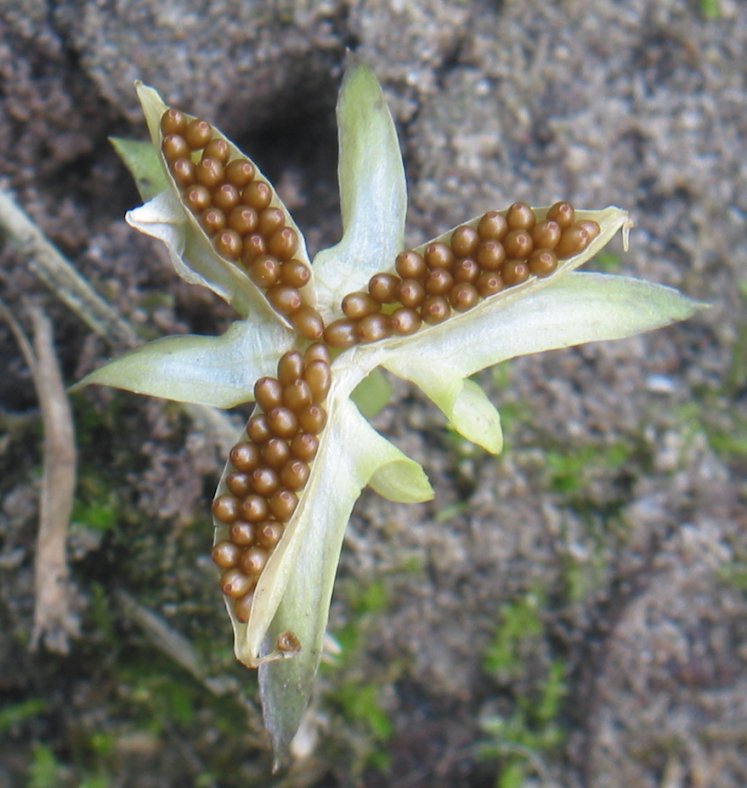
Violets can be annual or perennial, and some are small shrubs. They flower mainly in spring, producing seeds in capsules that can eject seeds several meters away. Many species are grown from seed, especially pansies and bedding types, and thrive in gardens with well-drained soil. Some species reproduce by clonal seeds from self-pollinating flowers, allowing them to persist in fragmented habitats.



How Violet is used
Many violets are grown in gardens for their pretty flowers, and pansies are widely used in bedding displays. Some species, like sweet violet, are valued for their scent. Violets can be found in the wild, in woodlands, meadows, and mountains. The genus includes species that are local emblems or symbols, and some are used in floral arrangements or as cut flowers.
Kinds of Violet
Viola includes well-known groups like pansies (section Melanium), sweet violet (Viola odorata), dog violets (various scentless species), and Australian native violets (Viola hederacea, Viola banksii). The genus is divided into many sections and subsections, with species adapted to regions from South America and Australia to Eurasia and North America. Many hybrids and cultivars exist, especially among pansies.
What Violet means
Violets have been used as emblems and symbols in various regions. The sweet violet is known for its fragrance and is distinct from African violets, which are unrelated. Violets are often associated with modesty and spring. Some species are state or regional flowers. The genus is notable for its diversity and adaptability, with some species maintaining high genetic diversity even in fragmented habitats.
Where Violet is used and seen
 Islamic gardenA walled garden of water, shade and scent inspired by paradise
 Nishat BaghA grand terraced Mughal garden on the banks of Dal Lake in Srinagar
 Bedding (horticulture)Seasonal displays of flowering plants in beds, borders, and containers
 language of flowersA way of sending secret messages using flowers and their meanings
 Mothering SundayA British day for honouring mothers and the mother church, marked with violets and cake
 Cottage gardenAn informal English garden style mixing flowers, herbs, and vegetables
Traditions that use it
Questions people ask about Violet
Where do violets come from?
Most violets are native to temperate regions of the Northern Hemisphere, but some species grow in places like the Andes, Australia, and Hawaii. Fossil evidence suggests the genus may have originated in South America.
What do violet flowers look like?
Violet flowers usually have five petals, with four swept upward and one lower petal, often with a spur. They come in colors such as white, yellow, orange, blue, violet, or combinations of these.
Are all violets fragrant?
Not all violets are fragrant. Some, like sweet violet (Viola odorata), have a gentle scent, while others, such as the dog violets, are scentless.
What are violets used for?
Violets are grown in gardens for their ornamental flowers, used in bedding displays, and some species serve as emblems or symbols. They are also found in the wild and sometimes used as cut flowers.
Are African violets true violets?
No, African violets (Saintpaulia) are not related to the genus Viola. They belong to a different plant family.
Good reading and sources
- Plants of the World OnlineRoyal Botanic Gardens, Kew, Plant database
- Where it has been recordedGBIF, Plant database
- Sightings and photos by naturalistsiNaturalist, Plant database
- Viola (plant) on WikipediaEncyclopedia
- More photos on Wikimedia CommonsPhotos
- Wikidata recordOpen data
The facts on this page come from the Wikipedia article "Viola (plant)", written by its contributors and used under the CC BY-SA 4.0 licence, and from its Wikidata record (CC0). Phool rewrote the text in its own words, with AI assistance, and compares every page with the article to make sure no passage is copied. It may be reused under the same CC BY-SA 4.0 licence with a link back.
It may contain mistakes. It is not medical or foraging advice: many flowers are poisonous, and traditional uses are reported, not recommended. If something is wrong, tell us. Last refreshed 2026-10-03.
Others in the family Violaceae
The whole family Sweet VioletViola odorata
A scented violet with edible leaves and flowers, native to Eurasia
🇨🇳 China and 7 more · Wildflower
Sweet VioletViola odorata
A scented violet with edible leaves and flowers, native to Eurasia
🇨🇳 China and 7 more · Wildflower
 Wild PansyViola tricolor
A small wildflower with purple, yellow, and white blooms found across Eurasia
🇨🇳 China and 3 more · Wildflower
Wild PansyViola tricolor
A small wildflower with purple, yellow, and white blooms found across Eurasia
🇨🇳 China and 3 more · Wildflower
 PansyViola × wittrockiana
A large-flowered garden hybrid with a face-like blotch in many colours
Viola × wittrockiana · Garden flower
PansyViola × wittrockiana
A large-flowered garden hybrid with a face-like blotch in many colours
Viola × wittrockiana · Garden flower
 Common dog-violetViola riviniana
A low-growing violet-flowered perennial of woods and grasslands in Eurasia and Africa
🇮🇪 Ireland · Wildflower
Common dog-violetViola riviniana
A low-growing violet-flowered perennial of woods and grasslands in Eurasia and Africa
🇮🇪 Ireland · Wildflower