
Wild Pansy
Viola tricolor, family Violaceae
A small wildflower with purple, yellow, and white blooms found across Eurasia
Wild pansy (Viola tricolor) is a low-growing plant with delicate flowers in purple, yellow, and white. Native to Eurasia, it grows in grasslands and open spaces and has long been valued for both its beauty and its place in traditional herbal practices.
- Flowers show purple, yellow, and white together
- Native to Eurasia, including China
- Parent species of the modern garden pansy
- Used in traditional herbal medicine for centuries
- Appears in Shakespeare's plays as 'love-in-idleness'
What does Wild Pansy look like?
Wild pansy is a small plant, rarely taller than 15 cm, with slender, branching stems and no basal leaf rosette. Its leaves are arranged alternately and edged with gentle teeth. The flowers, about 1.5 cm across, are held singly on long stalks and can be purple, blue, yellow, white, or a mix of these. The most prized form shows all three colors together. The plant has a creeping or slightly climbing habit and produces fine roots from a rhizome.
Where does Wild Pansy come from?
Viola tricolor is native to much of Eurasia, thriving from sea level up to high mountain areas. It prefers open grasslands, field edges, and disturbed soils, often where the ground is slightly acidic or neutral. The species has spread widely, including into North America, after being introduced there. Its many names reflect a long history in folk culture and herbal practice, and it is the wild ancestor of the modern garden pansy.
When and how Wild Pansy blooms
Wild pansy blooms from spring through autumn, with flowers appearing on upright stems. It grows best in partial shade and on soils that are not too alkaline. The plant is self-fertile and pollinated by bees. Seeds develop in small capsules, and the plant can produce many seeds in a season, helping it spread in the wild.


How Wild Pansy is used
People have grown wild pansy for centuries, both for its attractive flowers and for use in traditional medicine. Herbalists in Europe, Iran, and India have used it for a range of ailments, especially skin and respiratory problems. The flowers can be used to make dyes in yellow, green, or blue-green shades, and the leaves can test for acidity. In ancient times, the plant was also used in perfumes.
Kinds of Wild Pansy
Wild pansy is the parent of the garden pansy, which was bred in Britain starting in the early 1800s. The name 'Johnny-jump-up' is also used for similar species. Its flowers come in several color combinations, with the tricolor form being especially valued. Other violets, like sweet violet, share some uses and names.
What Wild Pansy means
Wild pansy has a rich place in myth and literature. In Roman and Greek stories, it is linked to love and transformation. Shakespeare used it as a magical love potion in 'A Midsummer Night's Dream' and as a symbol of thought in 'Hamlet.' The plant's many folk names reflect its role in stories and customs across Europe.
Questions people ask about Wild Pansy
Where does wild pansy come from?
Wild pansy is native to much of Eurasia, including regions of China, and grows in open grasslands and disturbed soils from sea level up to high mountains.
What does wild pansy look like?
It is a small plant with slender, branching stems and solitary flowers about 1.5 cm wide. The blooms are often purple, yellow, white, or a mix of these colors.
What is wild pansy used for?
It has been grown for its pretty flowers, used to make dyes, and valued in traditional medicine for skin and respiratory conditions. The plant is also edible and was once used in perfumes.
What does wild pansy symbolize?
In European tradition, wild pansy is linked to thoughts and love. Shakespeare used it as a symbol of thought in 'Hamlet' and as a magical love potion in 'A Midsummer Night's Dream.'
Is wild pansy related to garden pansies?
Yes, wild pansy is the original species from which modern garden pansies were bred in the 19th century.
Good reading and sources
- Encyclopaedia BritannicaArticle
- Library of Congress CatalogLibrary of Congress, Article
- USDA Plants DatabaseUS Department of Agriculture, Article
- Plants of the World OnlineRoyal Botanic Gardens, Kew, Plant database
- Where it has been recordedGBIF, Plant database
- Sightings and photos by naturalistsiNaturalist, Plant database
- Viola tricolor on WikipediaEncyclopedia
- More photos on Wikimedia CommonsPhotos
- Wikidata recordOpen data
The facts on this page come from the Wikipedia article "Viola tricolor", written by its contributors and used under the CC BY-SA 4.0 licence, and from its Wikidata record (CC0). Phool rewrote the text in its own words, with AI assistance, and compares every page with the article to make sure no passage is copied. It may be reused under the same CC BY-SA 4.0 licence with a link back.
It may contain mistakes. It is not medical or foraging advice: many flowers are poisonous, and traditional uses are reported, not recommended. If something is wrong, tell us. Last refreshed 2026-10-03.
Others in the family Violaceae
The whole family VioletViola
A large genus of delicate flowers found across temperate regions worldwide
Viola · Wildflower
VioletViola
A large genus of delicate flowers found across temperate regions worldwide
Viola · Wildflower
 Sweet VioletViola odorata
A scented violet with edible leaves and flowers, native to Eurasia
🇨🇳 China and 7 more · Wildflower
Sweet VioletViola odorata
A scented violet with edible leaves and flowers, native to Eurasia
🇨🇳 China and 7 more · Wildflower
 Common dog-violetViola riviniana
A low-growing violet-flowered perennial of woods and grasslands in Eurasia and Africa
🇮🇪 Ireland · Wildflower
Common dog-violetViola riviniana
A low-growing violet-flowered perennial of woods and grasslands in Eurasia and Africa
🇮🇪 Ireland · Wildflower
More from China
All the flowers of China PeachPrunus persica
A flowering fruit tree from China, grown for its pink blossoms and sweet fruit
🇨🇳 China and 7 more · Flowering tree
PeachPrunus persica
A flowering fruit tree from China, grown for its pink blossoms and sweet fruit
🇨🇳 China and 7 more · Flowering tree
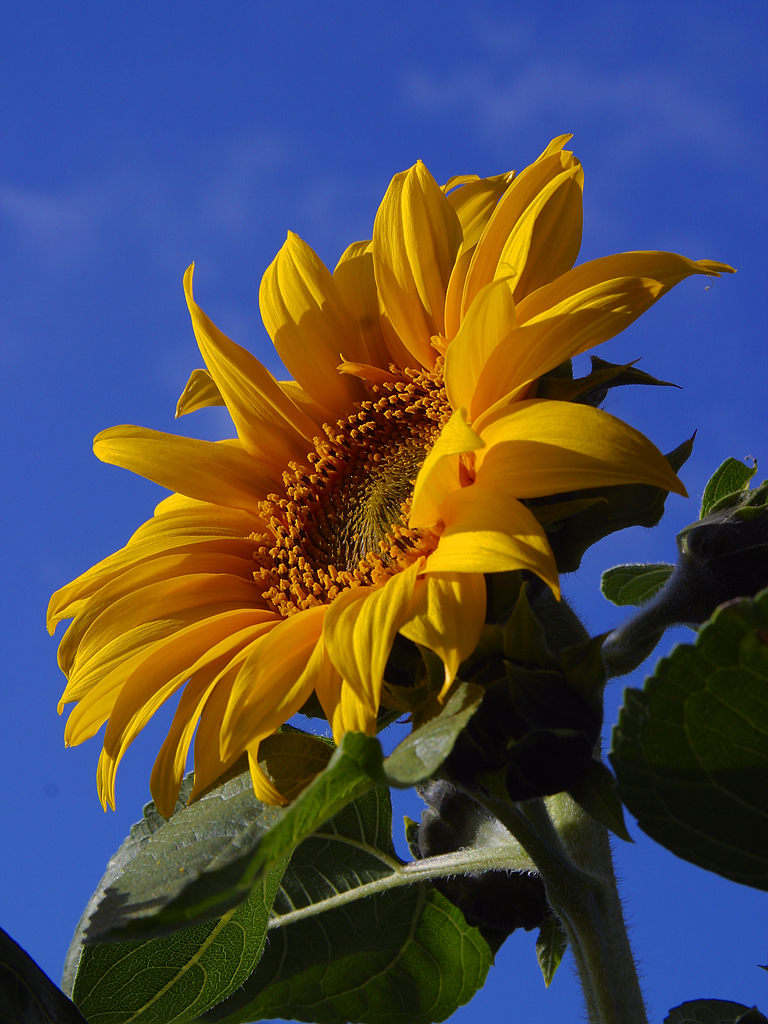 Common sunflowerHelianthus annuus
A tall annual plant grown for its large yellow flower heads and edible seeds
🇨🇦 Canada and 4 more · Wildflower
Common sunflowerHelianthus annuus
A tall annual plant grown for its large yellow flower heads and edible seeds
🇨🇦 Canada and 4 more · Wildflower
 PomegranatePunica granatum
A shrub with bright red flowers and a fruit full of edible seeds
🇮🇷 Iran and 9 more · Flowering shrub
PomegranatePunica granatum
A shrub with bright red flowers and a fruit full of edible seeds
🇮🇷 Iran and 9 more · Flowering shrub
 BirchBetula
Slender trees with papery bark found across the northern world
🇨🇳 China and 7 more · Wildflower
BirchBetula
Slender trees with papery bark found across the northern world
🇨🇳 China and 7 more · Wildflower