
Sweet Violet
Viola odorata, family Violaceae
A scented violet with edible leaves and flowers, native to Eurasia
Sweet Violet is a low-growing perennial with scented purple or white flowers and rounded leaves. Native to Eurasia, it grows wild in woods and is widely grown in gardens for its fragrance. Its flowers and leaves are edible and have been used in perfumes, syrups, and confections.
- Flowers are strongly scented and edible
- Native to Eurasia and northwest Africa
- Used in perfumes and French violet syrup
- Spreads by above-ground runners
- Symbolic in ancient Greek culture
What does Sweet Violet look like?
Sweet Violet is a small perennial plant, usually reaching up to 15 cm tall. Its leaves form a rosette at the base and are kidney-shaped with fine hairs along the stalks. The flowers are typically dark violet or white, with a hooked style, and are strongly scented. The plant spreads by above-ground runners and forms low mats in shaded places.
Where does Sweet Violet come from?
This violet is native to Eurasia, including Europe south of Scandinavia, the Caucasus, Western Asia, and parts of northwest Africa. It grows wild at the edges of forests and in clearings, and often appears in shaded gardens and lawns. Over time, it has been introduced to the Americas, Australia, New Zealand, and other regions. Its name comes from its sweet scent, which has been prized since ancient times.
When and how Sweet Violet blooms
Sweet Violet blooms when the plant is about 10–15 cm high, spreading up to 61 cm wide. It prefers shaded or semi-shaded spots, often near woods or in gardens. The plant grows from stolons and forms new rosettes. Flowers and leaves are harvested for culinary and fragrance uses, and several cultivars are grown for gardens.


How Sweet Violet is used
The flowers and leaves are edible and used in syrups, confections, and as garnishes, especially in Europe. French violet syrup is a traditional product, and in the United States, it flavors scones and marshmallows. The flowers have long been used in perfumes, though true violet extract is now rare. The leaves are still used in modern perfumery.
Kinds of Sweet Violet
There are two accepted subspecies: Viola odorata subsp. odorata, found throughout the range, and Viola odorata subsp. stolonifera, native to the Balearic Islands. Gardeners have selected several cultivars, including 'Wellsiana', which has received awards for garden merit.
What Sweet Violet means
In ancient Greece, the violet symbolized Athens and was linked to the goddess Aphrodite and her son Priapus. Myths tell of children being found on beds of violets, and the flower appears in classical poetry. Its scent was associated with love and desire. The plant's fragrance and edible uses have kept it popular in gardens and kitchens.
Traditions that use it
Questions people ask about Sweet Violet
Where does Sweet Violet come from?
Sweet Violet is native to Eurasia, including Europe south of Scandinavia, the Caucasus, Western Asia, and northwest Africa. It has also been introduced to many other parts of the world.
What does Sweet Violet look like?
It is a small perennial with kidney-shaped leaves in a basal rosette and strongly scented flowers that are usually dark violet or white. The plant grows up to 15 cm tall and spreads by runners.
How is Sweet Violet used?
Its flowers and leaves are edible and used in syrups, confections, and as garnishes. The plant is also valued for its strong fragrance, which has been used in perfumes and cosmetics.
What does Sweet Violet symbolize?
In ancient Greece, the violet was a symbol of Athens and associated with love and desire, especially linked to the goddess Aphrodite.
Is Sweet Violet grown in gardens?
Yes, Sweet Violet is widely grown in gardens for its fragrance and attractive flowers. Several cultivars are available, and it often appears in shaded lawns and borders.
Good reading and sources
- Encyclopaedia BritannicaArticle
- Viola odorata 'Wellsiana' (Vt)Royal Horticultural Society, Article
- USDA Plants DatabaseUS Department of Agriculture, Article
- Plants of the World OnlineRoyal Botanic Gardens, Kew, Plant database
- Where it has been recordedGBIF, Plant database
- Sightings and photos by naturalistsiNaturalist, Plant database
- Viola odorata on WikipediaEncyclopedia
- More photos on Wikimedia CommonsPhotos
- Wikidata recordOpen data
The facts on this page come from the Wikipedia article "Viola odorata", written by its contributors and used under the CC BY-SA 4.0 licence, and from its Wikidata record (CC0). Phool rewrote the text in its own words, with AI assistance, and compares every page with the article to make sure no passage is copied. It may be reused under the same CC BY-SA 4.0 licence with a link back.
It may contain mistakes. It is not medical or foraging advice: many flowers are poisonous, and traditional uses are reported, not recommended. If something is wrong, tell us. Last refreshed 2026-10-03.
Others in the family Violaceae
The whole family VioletViola
A large genus of delicate flowers found across temperate regions worldwide
Viola · Wildflower
VioletViola
A large genus of delicate flowers found across temperate regions worldwide
Viola · Wildflower
 Wild PansyViola tricolor
A small wildflower with purple, yellow, and white blooms found across Eurasia
🇨🇳 China and 3 more · Wildflower
Wild PansyViola tricolor
A small wildflower with purple, yellow, and white blooms found across Eurasia
🇨🇳 China and 3 more · Wildflower
 Common dog-violetViola riviniana
A low-growing violet-flowered perennial of woods and grasslands in Eurasia and Africa
🇮🇪 Ireland · Wildflower
Common dog-violetViola riviniana
A low-growing violet-flowered perennial of woods and grasslands in Eurasia and Africa
🇮🇪 Ireland · Wildflower
More from China
All the flowers of China PeachPrunus persica
A flowering fruit tree from China, grown for its pink blossoms and sweet fruit
🇨🇳 China and 7 more · Flowering tree
PeachPrunus persica
A flowering fruit tree from China, grown for its pink blossoms and sweet fruit
🇨🇳 China and 7 more · Flowering tree
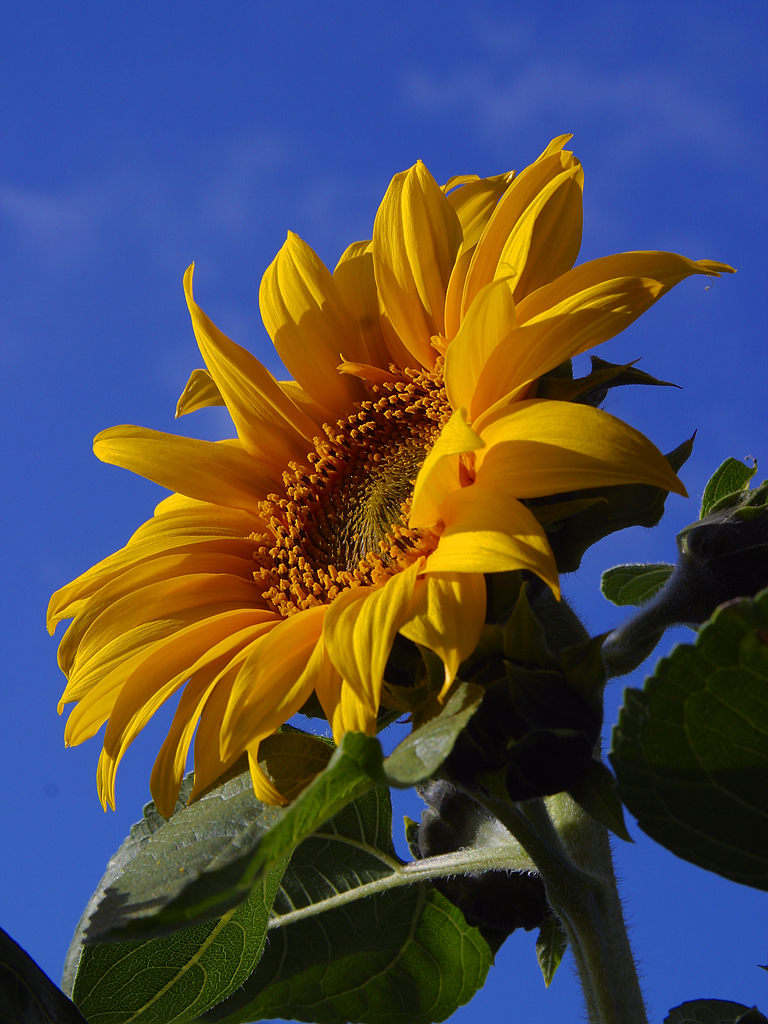 Common sunflowerHelianthus annuus
A tall annual plant grown for its large yellow flower heads and edible seeds
🇨🇦 Canada and 4 more · Wildflower
Common sunflowerHelianthus annuus
A tall annual plant grown for its large yellow flower heads and edible seeds
🇨🇦 Canada and 4 more · Wildflower
 PomegranatePunica granatum
A shrub with bright red flowers and a fruit full of edible seeds
🇮🇷 Iran and 9 more · Flowering shrub
PomegranatePunica granatum
A shrub with bright red flowers and a fruit full of edible seeds
🇮🇷 Iran and 9 more · Flowering shrub
 BirchBetula
Slender trees with papery bark found across the northern world
🇨🇳 China and 7 more · Wildflower
BirchBetula
Slender trees with papery bark found across the northern world
🇨🇳 China and 7 more · Wildflower