
German iris
Iris × germanica, family Iridaceae
A tall, rhizome-rooted iris with showy bearded blooms in many colours
German iris is a perennial hybrid iris grown for its large, colourful flowers. It is widely cultivated in gardens and found naturalized across Europe, with hundreds of varieties in shades from white to deep red and nearly black. The plant blooms mainly in spring and is valued for both garden display and cultural use.
- Grows up to 120 cm tall with sword-like leaves
- Blooms in nearly every colour, including rare deep reds and blacks
- Widely planted in gardens and naturalized in Europe
- Commonly used at Muslim cemeteries in Iran and Kashmir
- Featured in paintings by Vincent van Gogh
What does German iris look like?
German iris is a perennial plant that grows from thick, horizontal rhizomes. It can reach up to 120 cm in height and about 30 cm across. The leaves are long and sword-shaped, remaining green through much of the year. Its flowers are large, with a distinctive 'beard' of soft hairs on the lower petals. Blooms come in almost every colour, including deep blues, purples, reds, whites, and combinations of these. Some types have flowers that appear again in autumn.
Where does German iris come from?
This iris is a hybrid, formed from two European species, Iris pallida and Iris variegata. Though its exact wild origin is unclear, it is believed to have first appeared in areas around the Mediterranean. Over time, it spread widely and became naturalized in many parts of Europe. The plant was officially described in the 18th century by Carl Linnaeus, and its hybrid status is now recognized in its scientific name, Iris × germanica.
When and how German iris blooms
German iris grows best in sunny spots with soil that drains well. It is usually planted by dividing the rhizomes after flowering or during dry summer spells. The plant keeps some of its leaves through winter. It can also be grown from seed, but division is more common for gardeners. Some cultivars will flower again in autumn, while most bloom in mid to late spring.


How German iris is used
Gardeners value German iris for its bold flowers and wide range of colours. It is often grown in borders and as a cut flower. In Iran and Kashmir, it is commonly planted in cemeteries, especially at Muslim burial sites. The plant has also inspired artists, such as Vincent van Gogh, who painted it more than once. With thousands of named varieties, it is a favourite in gardens around the world.
Kinds of German iris
There are about 60,000 named cultivars of German iris, offering a huge range of colours and forms. Some, like the variety 'amas', played a key role in developing modern tall bearded irises. Certain types are bred to bloom more than once a year. Fungal diseases can affect the leaves in some regions, such as Italy and Thailand.
What German iris means
German iris is linked to remembrance and is often seen in cemeteries in parts of Iran and Kashmir. Its striking flowers have made it a subject in famous paintings, including works by Vincent van Gogh. The plant is also recognized as an emblem in some places, and its many cultivars are celebrated by gardeners worldwide.
Where German iris is used and seen
 BouquetA creative arrangement of flowers, given or displayed for many occasions
 The Daffodil FestivalPierce County’s spring parade and daffodil celebration since 1934
 Hakone Botanical Garden of WetlandsA garden of wetland and alpine plants in Hakone, Japan
 Parc floral de ParisA botanical garden and flower park in the Bois de Vincennes, Paris
 Parc Floral de la SourceA large public garden in Orléans built around the source of the Loiret river
 KeukenhofA vast Dutch flower garden famous for its spring tulip displays
 KanzashiTraditional Japanese hair ornaments, often crafted as folded silk flowers
 HanafudaJapanese playing cards with flower designs used for traditional games
Questions people ask about German iris
Where does German iris come from?
German iris is a hybrid that likely first appeared in the Mediterranean region. It was created from two European iris species and is now naturalized in many parts of Europe and grown worldwide.
What does the flower look like?
The plant has tall stems and long, pointed leaves. Its large flowers have a fuzzy 'beard' on the lower petals and come in a wide range of colours, from white and yellow to deep purple and red.
How is German iris used?
It is grown mainly for its decorative flowers in gardens and as cut blooms. In some regions, especially Iran and Kashmir, it is planted at Muslim graves. The flower has also been featured in famous artwork.
What does German iris symbolise?
In Iran and Kashmir, German iris is associated with remembrance, as it is often planted in cemeteries. Its beauty has also made it a symbol of elegance in gardens and art.
Are there different kinds of German iris?
Yes, there are thousands of named varieties, with differences in colour, size, and blooming time. Some types can flower twice a year, and breeders continue to develop new cultivars.
Good reading and sources
- Encyclopaedia BritannicaArticle
- Iris germanicaRoyal Horticultural Society, Article
- USDA Plants DatabaseUS Department of Agriculture, Article
- Plants of the World OnlineRoyal Botanic Gardens, Kew, Plant database
- Where it has been recordedGBIF, Plant database
- Sightings and photos by naturalistsiNaturalist, Plant database
- Iris × germanica on WikipediaEncyclopedia
- More photos on Wikimedia CommonsPhotos
- Wikidata recordOpen data
The facts on this page come from the Wikipedia article "Iris × germanica", written by its contributors and used under the CC BY-SA 4.0 licence, and from its Wikidata record (CC0). Phool rewrote the text in its own words, with AI assistance, and compares every page with the article to make sure no passage is copied. It may be reused under the same CC BY-SA 4.0 licence with a link back.
It may contain mistakes. It is not medical or foraging advice: many flowers are poisonous, and traditional uses are reported, not recommended. If something is wrong, tell us. Last refreshed 2026-10-03.
Others in the family Iridaceae
The whole family Gladiolus
Tall, showy flower spikes grown from corms, known as sword lilies
Gladiolus · Garden flower
Gladiolus
Tall, showy flower spikes grown from corms, known as sword lilies
Gladiolus · Garden flower
 Iris
A large group of perennial flowers with striking, six-lobed blooms
Iris · Wildflower
Iris
A large group of perennial flowers with striking, six-lobed blooms
Iris · Wildflower
 Crocus
Small corm-grown flowers in white, yellow, orange or purple
🇹🇷 Turkey and 7 more · Wildflower
Crocus
Small corm-grown flowers in white, yellow, orange or purple
🇹🇷 Turkey and 7 more · Wildflower
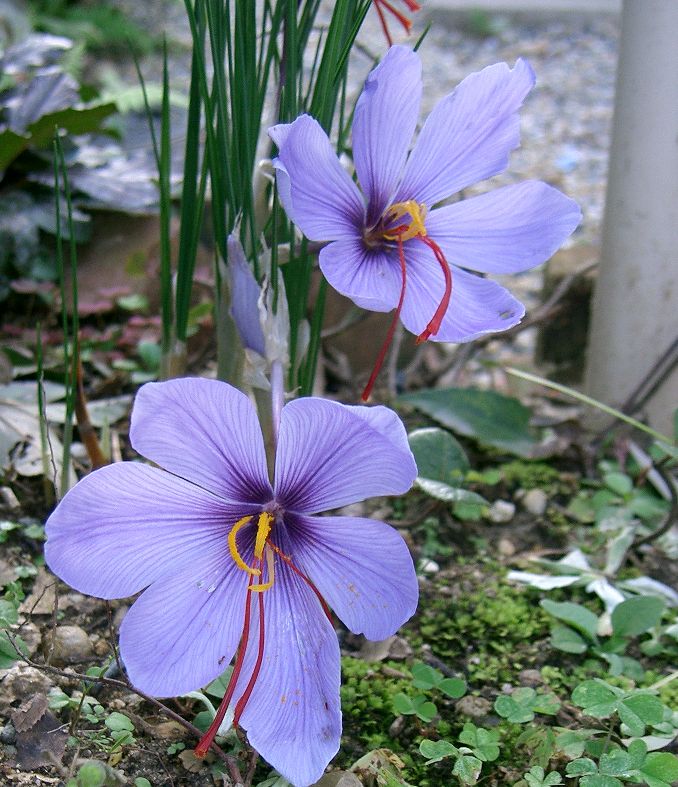 Saffron crocusCrocus sativus
The purple autumn flower whose red stigmas yield the spice saffron
🇨🇳 China and 1 more · Garden flower
Saffron crocusCrocus sativus
The purple autumn flower whose red stigmas yield the spice saffron
🇨🇳 China and 1 more · Garden flower
More from China
All the flowers of China PeachPrunus persica
A flowering fruit tree from China, grown for its pink blossoms and sweet fruit
🇨🇳 China and 7 more · Flowering tree
PeachPrunus persica
A flowering fruit tree from China, grown for its pink blossoms and sweet fruit
🇨🇳 China and 7 more · Flowering tree
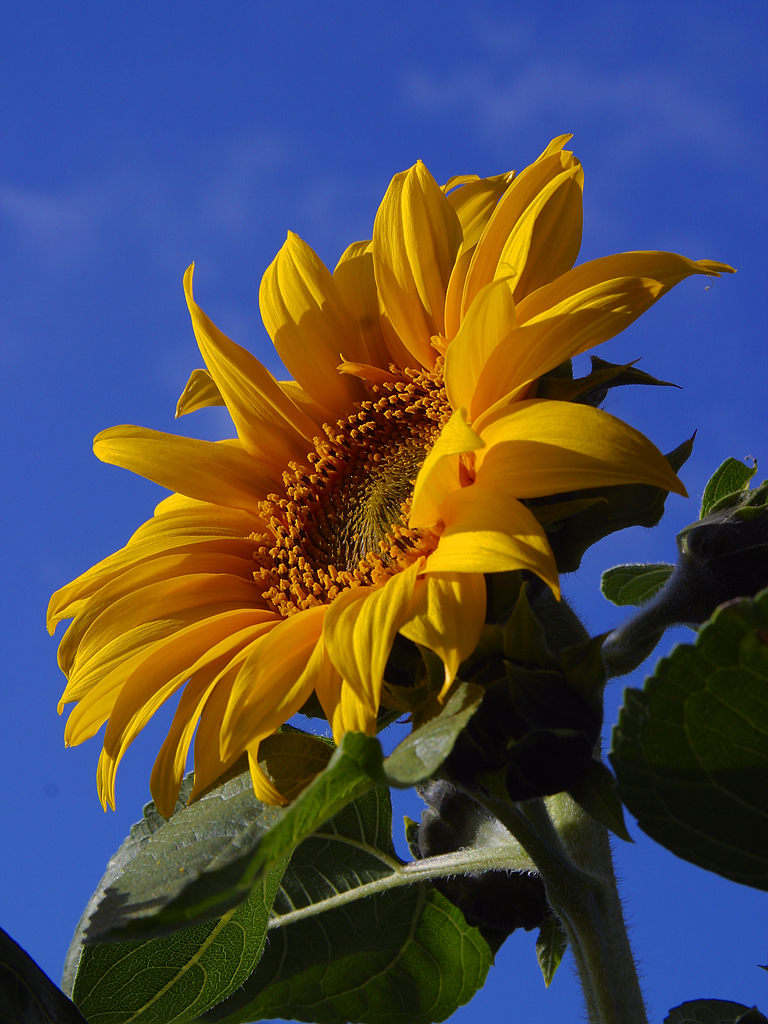 Common sunflowerHelianthus annuus
A tall annual plant grown for its large yellow flower heads and edible seeds
🇨🇦 Canada and 4 more · Wildflower
Common sunflowerHelianthus annuus
A tall annual plant grown for its large yellow flower heads and edible seeds
🇨🇦 Canada and 4 more · Wildflower
 PomegranatePunica granatum
A shrub with bright red flowers and a fruit full of edible seeds
🇮🇷 Iran and 9 more · Flowering shrub
PomegranatePunica granatum
A shrub with bright red flowers and a fruit full of edible seeds
🇮🇷 Iran and 9 more · Flowering shrub
 BirchBetula
Slender trees with papery bark found across the northern world
🇨🇳 China and 7 more · Wildflower
BirchBetula
Slender trees with papery bark found across the northern world
🇨🇳 China and 7 more · Wildflower