
Hanafuda
In its own language: 花札
Japanese playing cards with flower designs used for traditional games
Hanafuda are Japanese playing cards, smaller and thicker than Western cards, each decorated with flowers and seasonal motifs. Used for games like Koi-Koi, they have twelve suits for the months of the year and are also popular in Korea, Hawaii, and Micronesia.
- Each suit in hanafuda represents a month and a flower
- Nintendo began as a hanafuda card maker in 1889
- Hanafuda cards are used for games like Koi-Koi and Go-stop
- Korean hwatu decks have unique features and games
- The Unicode flower playing card emoji is based on hanafuda
What is Hanafuda?
Hanafuda are playing cards from Japan, each about 5.4 by 3.2 centimeters, thicker and stiffer than Western cards. Each card shows a flower, plant, or seasonal scene, with twelve suits representing the months of the year. The cards are often brightly colored, with some showing animals, birds, or objects. The back is plain, usually red or black. The set contains 48 cards, four per suit, and sometimes includes a blank spare card.
Where does Hanafuda come from?
Playing cards came to Japan from Portugal in the 16th century. Early Japanese decks copied the Portuguese style, but after foreign cards were banned, new designs emerged to avoid government restrictions. Over time, these evolved into hanafuda, with abstract flower motifs and twelve suits for the months. The cards were often disguised as poem cards to bypass bans on gambling. Hanafuda became widely accepted in the Meiji period, and companies like Nintendo began producing them in the late 19th century.
How Hanafuda is made
A hanafuda deck has 48 cards, grouped into twelve suits, each linked to a flower and month. Each suit has four cards, with some cards featuring tanzaku (paper strips), animals, or objects. Cards are typically made from stiff cardboard or plastic and are decorated with vivid images. In Korea, hwatu decks are made of plastic and may include joker cards. The cards are used for a variety of games, with rules and point values that can change by region or game.


When and where Hanafuda is used
Hanafuda cards are used for traditional games, the most well-known being Koi-Koi in Japan. In Korea, hwatu cards are used for games like Go-stop, especially during holidays such as Lunar New Year and Chuseok. In Hawaii and Micronesia, local versions of hanafuda games are played. The cards are part of family gatherings, festivals, and sometimes gambling, though today they are mainly for recreation.
Forms of Hanafuda
Korean hwatu decks differ from Japanese hanafuda, with plastic cards, textured backs, and some suits switched. Korean decks often have joker cards and local imagery. Modern Japanese decks may feature popular characters or themes. Some decks combine hanafuda with Western playing cards, adding extra suits or indices. Regional patterns and designs have developed over centuries, reflecting local tastes and history.
What Hanafuda means
Hanafuda cards are a symbol of Japanese culture and seasonal beauty, with each suit representing a month and its flower. They reflect a history of adaptation to social rules and have inspired art and design. The cards are still made by traditional companies and are recognized in Unicode as a flower playing card emoji. In Korea, hwatu cards are a staple of holiday celebrations.
The flowers of Hanafuda
 ChrysanthemumAutumn-blooming flower with thousands of varieties, cherished in East Asia and beyond
 IrisA large group of perennial flowers with striking, six-lobed blooms
 PeonyLarge spring flowers in pink, red, white, yellow and purple, grown in gardens worldwideIris damascenaA rare white and purple iris found only on a Syrian mountain
 Coastal IrisA dark-flowered iris native to Israel’s coastal plainsGerman irisA tall, rhizome-rooted iris with showy bearded blooms in many colours
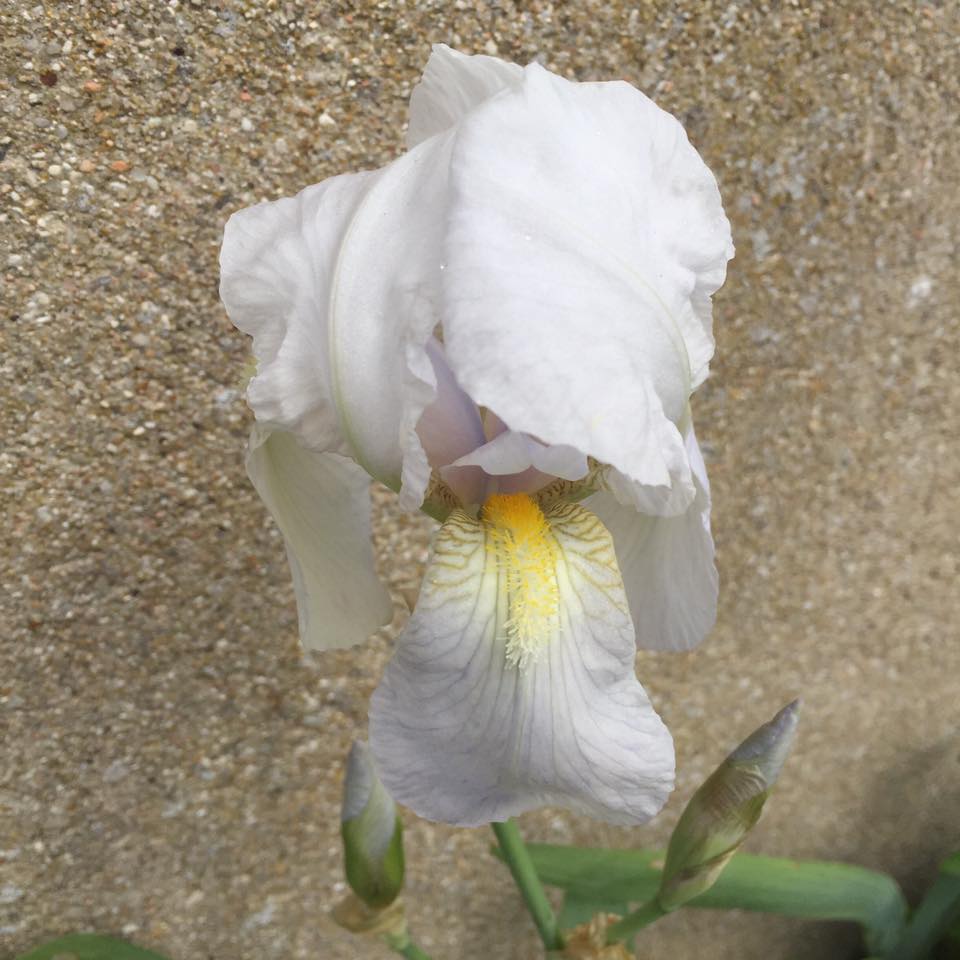 Iris florentinaA white, violet-scented iris grown for orris root and as a grave flower
 Giant blue irisTall blue-flowered iris native to the wetlands of the southern United States
Questions people ask about Hanafuda
What are hanafuda cards?
Hanafuda are Japanese playing cards, smaller and thicker than Western cards, each decorated with flowers or seasonal scenes. The deck has 48 cards divided into twelve suits, one for each month.
Where did hanafuda originate?
Hanafuda originated in Japan, evolving from Portuguese playing cards introduced in the 16th century. The designs changed over time to avoid bans and became a traditional Japanese card style.
What are hanafuda cards used for?
They are used for playing traditional games such as Koi-Koi in Japan and Go-stop in Korea. The cards are also part of family gatherings and festivals, especially during holidays.
What do the designs on hanafuda represent?
Each suit represents a month and a flower, with images of plants, animals, and seasonal motifs. The cards reflect the changing seasons and Japanese cultural themes.
Are hanafuda cards still made today?
Yes, companies like Nintendo and Oishi Tengudo continue to produce hanafuda cards, including themed sets. The cards are used in Japan, Korea, Hawaii, and other places.
Good reading and sources
The facts on this page come from the Wikipedia article "Hanafuda", written by its contributors and used under the CC BY-SA 4.0 licence, and from its Wikidata record (CC0). Phool rewrote the text in its own words, with AI assistance, and compares every page with the article to make sure no passage is copied. It may be reused under the same CC BY-SA 4.0 licence with a link back.
It may contain mistakes. If something is wrong, tell us. Last refreshed 2026-10-03.
More of the same kind
 Decoration
Rangoliरंगोली
Indian floor art made with coloured powders, rice, or petals for festivals and daily welcome
🇮🇳 India and 1 more · Carpet or floor pattern
Decoration
Rangoliरंगोली
Indian floor art made with coloured powders, rice, or petals for festivals and daily welcome
🇮🇳 India and 1 more · Carpet or floor pattern
 Decoration
Ashtamangalaअष्टमङ्गल
A sacred set of eight auspicious symbols in Indian religions
🇮🇳 India and 1 more · Art or design
Decoration
Ashtamangalaअष्टमङ्गल
A sacred set of eight auspicious symbols in Indian religions
🇮🇳 India and 1 more · Art or design
 Decoration
Paisleyبته
A curved teardrop motif from Iran and India, now used worldwide on textiles
🇮🇷 Iran and 8 more · Art or design
Decoration
Paisleyبته
A curved teardrop motif from Iran and India, now used worldwide on textiles
🇮🇷 Iran and 8 more · Art or design
 Decoration
Nageirebana抛入花
A free-form ikebana style using tall vases and no flower holders
Arrangement
Decoration
Nageirebana抛入花
A free-form ikebana style using tall vases and no flower holders
Arrangement
More from Japan
All the flowers of Japan Decoration
Bonsai盆栽
The Japanese art of shaping miniature trees in shallow pots
🇯🇵 Japan and 7 more · Art or design
Decoration
Bonsai盆栽
The Japanese art of shaping miniature trees in shallow pots
🇯🇵 Japan and 7 more · Art or design
 Decoration
Tokonoma床の間
A Japanese alcove for displaying scrolls and flower arrangements
🇯🇵 Japan · Arrangement
Decoration
Tokonoma床の間
A Japanese alcove for displaying scrolls and flower arrangements
🇯🇵 Japan · Arrangement
 Decoration
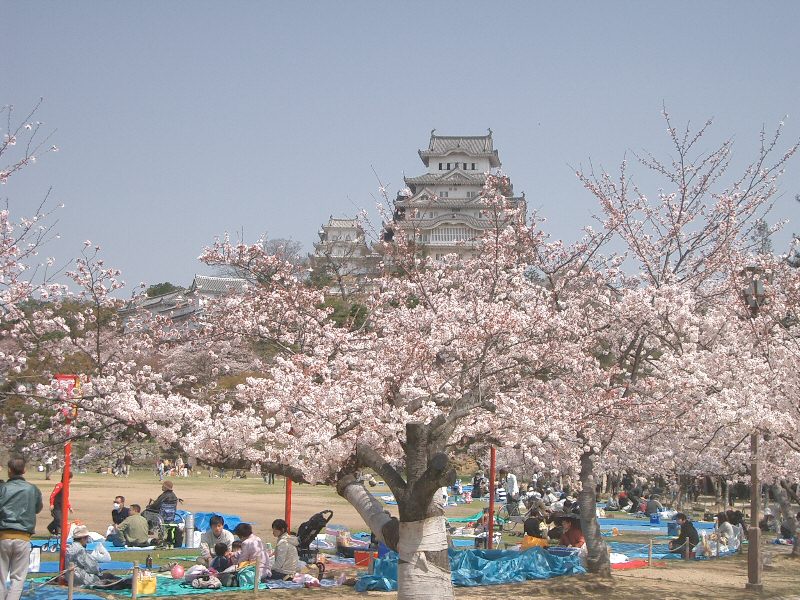
Hanami花見
The Japanese tradition of gathering to enjoy cherry blossoms in spring
🇯🇵 Japan and 7 more · Custom, Jan to May
Decoration
Hanami花見
The Japanese tradition of gathering to enjoy cherry blossoms in spring
🇯🇵 Japan and 7 more · Custom, Jan to May
 Decoration
Sōgetsu草月流
A modern school of Japanese ikebana open to all materials and styles
🇯🇵 Japan · Arrangement
Decoration
Sōgetsu草月流
A modern school of Japanese ikebana open to all materials and styles
🇯🇵 Japan · Arrangement