
Peony
Paeonia, family Paeoniaceae
Large spring flowers in pink, red, white, yellow and purple, grown in gardens worldwide
Peonies are perennial plants in the genus Paeonia, known for their large, often fragrant flowers in a range of colors. Native to Asia, Europe, and western North America, they are grown as garden plants and cut flowers, with blooms lasting about a week in late spring or early summer.
- Peonies bloom for only 7–10 days in late spring or early summer
- Flowers come in pink, red, white, yellow, and purple shades
- Native to Asia, Europe, and western North America
- Both herbaceous and woody (tree) peonies exist
- Widely grown as garden and cut flowers
What does Peony look like?
Peonies are perennial plants that can be either herbaceous or woody shrubs. Herbaceous types grow from 25 cm to 1 metre tall, while woody peonies can reach up to 3.5 metres. Their leaves are deeply divided and compound. The flowers are large, usually single at the end of the stem, and come in shades of pink, red, white, yellow, and purple. Many have a light fragrance. The blooms last for about 7–10 days in late spring or early summer.
Where does Peony come from?
Peonies are native to temperate and cold regions of the Northern Hemisphere, with species found across Asia, Europe, and western North America. Woody peonies are native to central and southern China, including Tibet. Herbaceous species grow from Spain and Morocco across to Japan, with some species in North America. The genus has about 33 species, and its classification has a complex history, with many hybrids and regional forms.
When and how Peony blooms
Peonies bloom in late spring and early summer, with each flower lasting about a week. They are grown from thick storage roots, either as herbaceous perennials or woody shrubs. Most are propagated by dividing the root or from seed. They prefer temperate climates and are popular in gardens for their showy flowers. Herbaceous peonies are also widely grown for the cut flower trade.


How Peony is used
Peonies are widely grown as ornamental plants in gardens and parks. Herbaceous types are popular as cut flowers, especially in late spring and early summer. They are often given as gifts and used in floral arrangements. Some species are regional emblems or symbols. Their short blooming season makes them a highlight of the spring garden.
Kinds of Peony
The genus Paeonia includes about 33 species, divided into herbaceous and woody (tree) peonies. Notable species include Paeonia lactiflora (Chinese peony), P. officinalis (European peony), P. suffruticosa (tree peony), and P. tenuifolia (steppe peony). Many hybrids and cultivars have been developed, especially in China and Japan, with a wide range of flower forms and colors.
What Peony means
Peonies hold cultural significance in several countries. In China and Japan, they are traditional garden plants and appear in art and literature. Some species are regional emblems, such as the peony in Serbia and Romania. Their brief, showy bloom is often associated with beauty and prosperity. Peonies are also valued for their fragrance and are a symbol of spring in many places.
Where Peony is used and seen
 China National Botanical GardenA vast botanical garden in Beijing with research, rare plants, and public displays
 HanafudaJapanese playing cards with flower designs used for traditional games
 FloristryThe craft and trade of arranging and selling flowers
 Jindai Botanical GardenTokyo’s first botanical garden, with themed plant zones and a large greenhouse
 Dr. Sun Yat-Sen Classical Chinese GardenA traditional Chinese garden in Vancouver’s Chinatown
 Wojsławice ArboretumA vast botanical garden in southwest Poland with major rhododendron and daylily collections
 Garvan Woodland GardensA lakeside botanical garden with woodland trails in Arkansas
Traditions that use it
Where to see Peony
 🇨🇳 Luoyang · Apr to MayLuoyang peony seasonThe old capital of Luoyang fills its parks with tree peonies every April.
 🇨🇳 Suzhou · Mar to OctClassical gardens of SuzhouScholar gardens of rock, water and pavilions, where each season has its chosen flower.
 🇬🇧 London · All yearColumbia Road flower market on a SundayOne short East End street, packed every Sunday with plant and cut flower stalls and the calls of the traders.
 🇬🇧 London · All yearNew Covent Garden Flower Market before sunriseLondon's wholesale flower market at Nine Elms, where the city's florists buy in the dark hours and the public may walk in.
 🇩🇪 Munich · All yearFlower stalls of the ViktualienmarktMunich's daily open-air food market, with a section of florists selling seasonal bunches, wreaths and dried flowers.
 🇱🇻 Riga · All yearThe all-night flower stalls of RigaA row of flower pavilions beside a central park in Riga that stays open through the night, in a city that gives flowers often.
Questions people ask about Peony
Where do peonies come from?
Peonies are native to temperate and cold regions of Asia, Europe, and western North America. Different species are found from Spain and Morocco across to Japan and in parts of North America.
What do peony flowers look like?
Peony flowers are large and often fragrant, with colors ranging from pink, red, white, yellow to purple. They usually bloom at the end of the stem and last about a week in late spring or early summer.
How are peonies used?
Peonies are popular as ornamental plants in gardens and parks, and herbaceous types are widely sold as cut flowers. They are also used as gifts and are regional emblems in some countries.
Are there different types of peonies?
Yes, there are herbaceous peonies, which die back each year, and woody or tree peonies, which have woody stems. Many species and hybrids exist, offering a range of flower forms and colors.
What do peonies symbolise?
Peonies are often associated with beauty and prosperity. In some countries, they are used as emblems and appear in art and literature, especially in China and Japan.
Good reading and sources
- Encyclopaedia BritannicaArticle
- Herbaceous and intersectional peonies / RHS Growing GuideRoyal Horticultural Society, Article
- Plants of the World OnlineRoyal Botanic Gardens, Kew, Plant database
- Where it has been recordedGBIF, Plant database
- Sightings and photos by naturalistsiNaturalist, Plant database
The facts on this page come from the Wikipedia article "Peony", written by its contributors and used under the CC BY-SA 4.0 licence, and from its Wikidata record (CC0). Phool rewrote the text in its own words, with AI assistance, and compares every page with the article to make sure no passage is copied. It may be reused under the same CC BY-SA 4.0 licence with a link back.
It may contain mistakes. It is not medical or foraging advice: many flowers are poisonous, and traditional uses are reported, not recommended. If something is wrong, tell us. Last refreshed 2026-10-03.
Others in the family Paeoniaceae
The whole family Woodland peonyPaeonia obovata
A woodland peony with white, pink or purple-red flowers from East Asia
🇨🇳 China and 2 more · Wildflower
Woodland peonyPaeonia obovata
A woodland peony with white, pink or purple-red flowers from East Asia
🇨🇳 China and 2 more · Wildflower
 Paeonia anomala
A wild peony with finely divided leaves and magenta-red flowers from northern Eurasia
🇷🇺 Russia and 4 more · Wildflower
Paeonia anomala
A wild peony with finely divided leaves and magenta-red flowers from northern Eurasia
🇷🇺 Russia and 4 more · Wildflower
 Paeonia rockii紫斑牡丹
A large, fragrant tree peony from the mountains of China
🇨🇳 China · Garden flower
Paeonia rockii紫斑牡丹
A large, fragrant tree peony from the mountains of China
🇨🇳 China · Garden flower
 Delavay's tree peonyPaeonia delavayi
A woody peony from China with flowers in red, yellow, or other shades
🇨🇳 China · Wildflower
Delavay's tree peonyPaeonia delavayi
A woody peony from China with flowers in red, yellow, or other shades
🇨🇳 China · Wildflower
More from China
All the flowers of China PeachPrunus persica
A flowering fruit tree from China, grown for its pink blossoms and sweet fruit
🇨🇳 China and 7 more · Flowering tree
PeachPrunus persica
A flowering fruit tree from China, grown for its pink blossoms and sweet fruit
🇨🇳 China and 7 more · Flowering tree
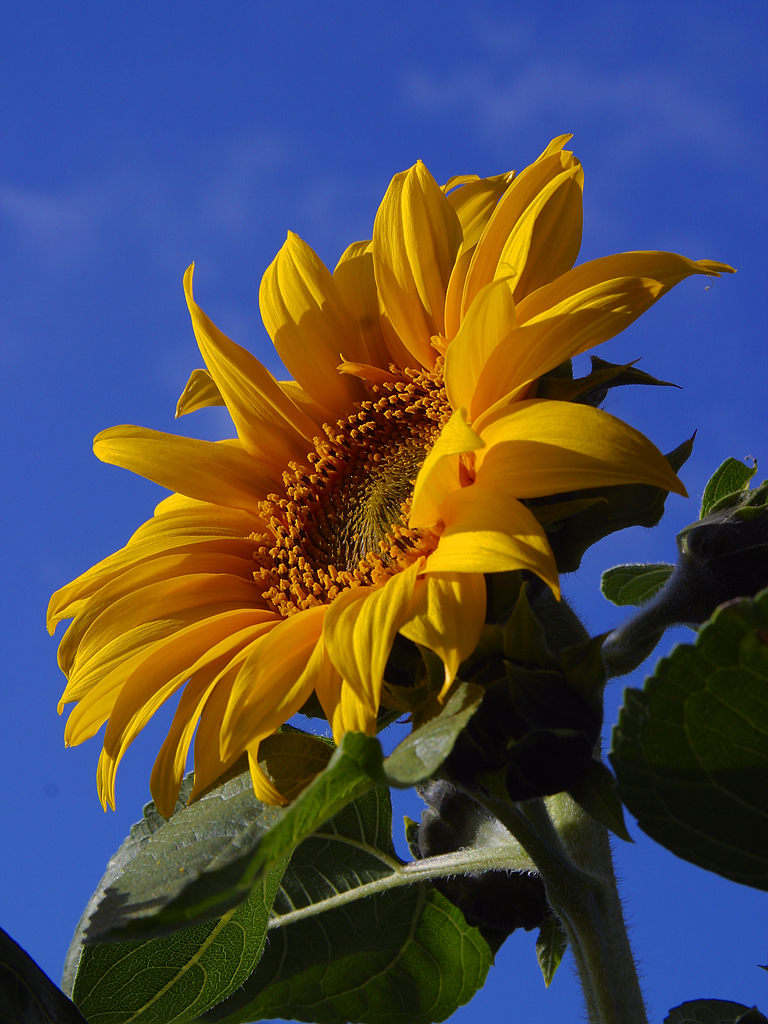 Common sunflowerHelianthus annuus
A tall annual plant grown for its large yellow flower heads and edible seeds
🇨🇦 Canada and 4 more · Wildflower
Common sunflowerHelianthus annuus
A tall annual plant grown for its large yellow flower heads and edible seeds
🇨🇦 Canada and 4 more · Wildflower
 PomegranatePunica granatum
A shrub with bright red flowers and a fruit full of edible seeds
🇮🇷 Iran and 9 more · Flowering shrub
PomegranatePunica granatum
A shrub with bright red flowers and a fruit full of edible seeds
🇮🇷 Iran and 9 more · Flowering shrub
 BirchBetula
Slender trees with papery bark found across the northern world
🇨🇳 China and 7 more · Wildflower
BirchBetula
Slender trees with papery bark found across the northern world
🇨🇳 China and 7 more · Wildflower