
Floristry
The craft and trade of arranging and selling flowers
Floristry is the business and art of arranging, selling, and delivering flowers. It covers everything from growing and handling flowers to creating bouquets and displays for events, homes, and ceremonies. Florists work in shops, online, and at markets, using flowers from local growers and global auctions. Styles and customs vary by country and occasion.
- Floristry covers both the art and business of arranging and selling flowers.
- Major flower markets include Aalsmeer in the Netherlands and Ota in Tokyo.
- Ikebana and English Garden are two well-known floral design styles.
- Florists use both local and imported flowers, adapting to seasons and trends.
- Floral foam, used in arrangements, is non-biodegradable and toxic.
What is Floristry?
Floristry is the craft and business of arranging and selling flowers for all kinds of occasions. Florists create bouquets, wreaths, centerpieces, corsages, and other designs using cut flowers, foliage, and sometimes decorative objects like stones or moss. Shops display flowers in coolers or on the street, and arrangements can be simple or elaborate, depending on the style and event. Floristry also covers the delivery and display of flowers for weddings, funerals, religious ceremonies, and everyday enjoyment.
Where does Floristry come from?
The practice of floristry has roots in many cultures, with each developing its own styles and customs. In Paris, flower sellers formed a guild in the 17th century and later opened the first dedicated flower shops in the 19th century. The Netherlands became a center for flower growing and trading, with flower arrangements sold from the mid-1800s and the opening of horticultural colleges. Floristry as a profession grew with the rise of flower shops, markets, and global trade, and today it is shaped by both tradition and changing trends.
How Floristry is made
Florists source fresh flowers from local growers, wholesalers, and large international auctions. Arrangements are made by trimming stems, selecting flowers and foliage, and placing them in vases, baskets, or foam for support. Styles range from dense, round English Garden designs to the minimalist lines of Japanese ikebana and the experimental forms of Modern European floristry. Florists use seasonal and imported flowers, adapting to customer needs and cultural preferences.


When and where Floristry is used
Flowers are arranged and sold for many occasions: weddings, funerals, religious ceremonies, holidays, and personal gifts. Shops also provide flowers for corporate events, home decoration, and special days like Valentine's Day and Mother's Day. During the COVID-19 pandemic, sending flowers became a way to connect with loved ones from afar. Floristry is also part of everyday life, with arrangements found in homes, offices, and places of worship.
Forms of Floristry
Floristry includes many regional and cultural styles. Ikebana from Japan emphasizes simplicity and symbolic alignment. English Garden style uses abundant seasonal flowers in radial patterns. Modern and Dutch styles experiment with form, space, and materials, sometimes using exotic blooms. Each country adapts designs to local flowers and customs, and fashion can influence which flowers are popular.
What Floristry means
Flowers have different meanings in different cultures, and their colors can symbolize love, luck, or mourning. In Britain and Commonwealth countries, poppies are used to remember fallen soldiers. White flowers may mean purity in some places and death in others. The language of flowers, developed in Victorian times, still influences choices today. Floristry is shaped by tradition, social events, and the changing tastes of customers.
The flowers of Floristry
 RoseWoody perennial plants with showy, often fragrant flowers in many colours
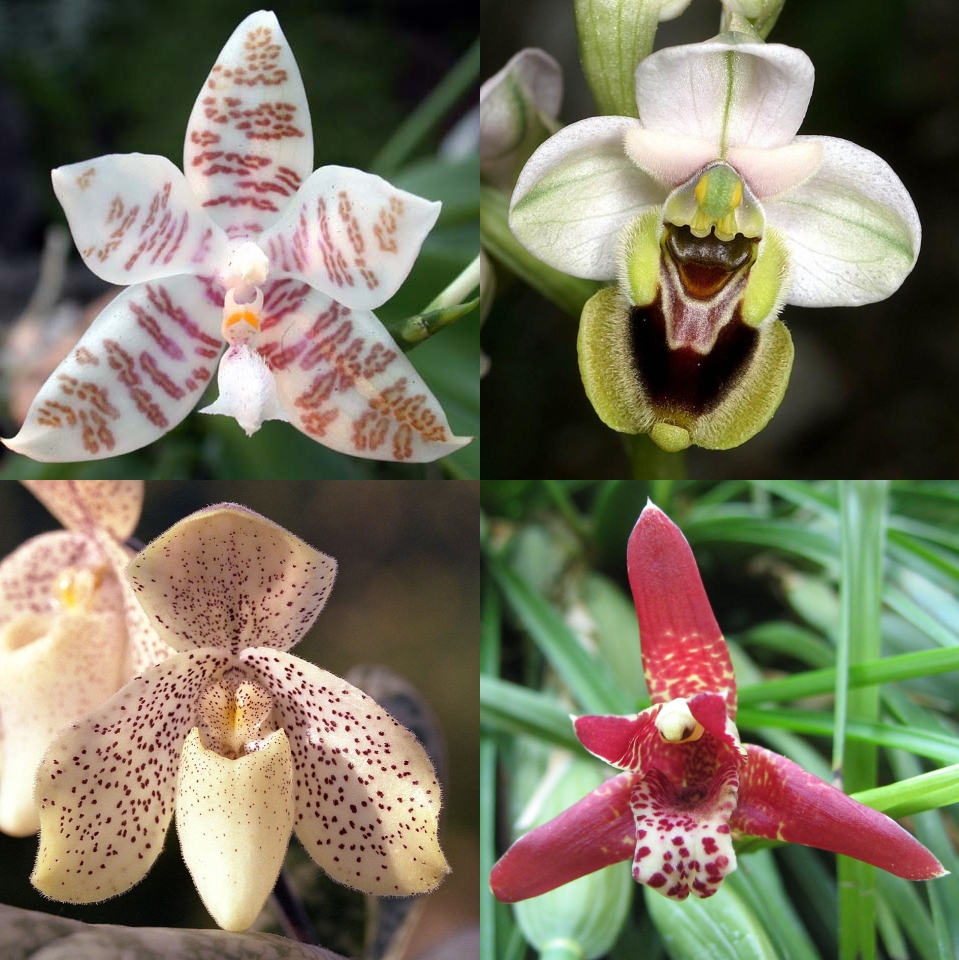 OrchidA vast family of colourful, often fragrant flowers found almost everywhere on earth
 TulipSpring-blooming bulbs with showy, cup-shaped flowers in many colours
 LilyTall bulb flowers with large, colourful blooms in many gardens and cultures
 IrisA large group of perennial flowers with striking, six-lobed blooms
 PeonyLarge spring flowers in pink, red, white, yellow and purple, grown in gardens worldwide
 CamelliaEvergreen shrubs and trees with showy blooms, best known for tea and garden flowers
 DelphiniumTall garden flowers with spurred blooms in blue, purple, pink, and white
Traditions that use it
Where to see Floristry
Days and festivals
Questions people ask about Floristry
What is floristry?
Floristry is the craft and business of arranging, selling, and delivering flowers for events, gifts, and everyday use. It includes flower care, design, merchandising, and the trade of cut flowers.
Where did floristry originate?
Floristry has roots in many cultures. In Paris, flower sellers formed a guild in the 17th century and opened shops in the 19th century. The Netherlands also became a center for flower growing and trading from the mid-1800s.
What are some popular styles of floral arrangement?
Notable styles include Japanese ikebana, which emphasizes simplicity and symbolic alignment, English Garden style with abundant seasonal flowers, and Modern European designs that play with form and space.
What occasions are flowers used for in floristry?
Florists arrange flowers for weddings, funerals, religious ceremonies, holidays like Valentine's Day and Mother's Day, corporate events, and as personal gifts or home decoration.
Are there environmental concerns in floristry?
Yes, floral foam used to support arrangements is non-biodegradable and toxic to humans and animals.
Good reading and sources
The facts on this page come from the Wikipedia article "Floristry", written by its contributors and used under the CC BY-SA 4.0 licence, and from its Wikidata record (CC0). Phool rewrote the text in its own words, with AI assistance, and compares every page with the article to make sure no passage is copied. It may be reused under the same CC BY-SA 4.0 licence with a link back.
It may contain mistakes. If something is wrong, tell us. Last refreshed 2026-10-03.
More of the same kind
 Decoration
Nageirebana抛入花
A free-form ikebana style using tall vases and no flower holders
Arrangement
Decoration
Nageirebana抛入花
A free-form ikebana style using tall vases and no flower holders
Arrangement
 Decoration
Tokonoma床の間
A Japanese alcove for displaying scrolls and flower arrangements
🇯🇵 Japan · Arrangement
Decoration
Tokonoma床の間
A Japanese alcove for displaying scrolls and flower arrangements
🇯🇵 Japan · Arrangement
 Decoration
Bouquet
A creative arrangement of flowers, given or displayed for many occasions
🇨🇳 China and 1 more · Arrangement
Decoration
Bouquet
A creative arrangement of flowers, given or displayed for many occasions
🇨🇳 China and 1 more · Arrangement
 Decoration
Sōgetsu草月流
A modern school of Japanese ikebana open to all materials and styles
🇯🇵 Japan · Arrangement
Decoration
Sōgetsu草月流
A modern school of Japanese ikebana open to all materials and styles
🇯🇵 Japan · Arrangement
More from the Netherlands
All the flowers of the Netherlands Decoration
Wreath
A ring-shaped decoration made from flowers, leaves, or other materials
🇬🇷 Greece and 7 more · Arrangement
Decoration
Wreath
A ring-shaped decoration made from flowers, leaves, or other materials
🇬🇷 Greece and 7 more · Arrangement
 Decoration
Cut flowers
Fresh flowers and buds trimmed for decoration and display
🇳🇱 Netherlands and 6 more · Arrangement
TulipTulipa
Spring-blooming bulbs with showy, cup-shaped flowers in many colours
🇳🇱 Netherlands and 7 more · Wildflower
Decoration
Cut flowers
Fresh flowers and buds trimmed for decoration and display
🇳🇱 Netherlands and 6 more · Arrangement
TulipTulipa
Spring-blooming bulbs with showy, cup-shaped flowers in many colours
🇳🇱 Netherlands and 7 more · Wildflower
 Narcissus
Spring-flowering bulbs with trumpet-shaped blooms in white, yellow, and orange
🇬🇧 United Kingdom and 7 more · Wildflower
Narcissus
Spring-flowering bulbs with trumpet-shaped blooms in white, yellow, and orange
🇬🇧 United Kingdom and 7 more · Wildflower