
Paeonia rockii
In its own language: 紫斑牡丹
A large, fragrant tree peony from the mountains of China
Paeonia rockii is a woody peony species from western China, valued for its big, scented flowers with dark spots at the base of each petal. It is grown as an ornamental plant in China and abroad, and is also used in traditional Chinese medicine.
- Flowers can reach up to 25 cm across
- Petals have dark spots at their base
- Strong fragrance fills the air around it
- Survives drought, frost, and alkaline soils
- Parent to many tree peony hybrids
What does Paeonia rockii look like?
Paeonia rockii is a tall, woody shrub that can reach up to 3 meters in height and spread as wide as 4 meters. Its flowers are strikingly large, often 18 to 25 centimeters across, and are known for their strong scent. The petals are usually white with bold, dark markings—black, purple, or brown-red—at the base. These flowers stand out not just for their size but also for their fragrance, which can overpower that of other peonies nearby.
Where does Paeonia rockii come from?
This peony species comes from the mountainous areas of Gansu and neighboring provinces in China. It was named after Joseph Rock, a plant collector. Over time, Paeonia rockii has become popular beyond its native region, especially for garden use and hybrid breeding. In China, it is grouped with other tree peonies known as Gansu Mudan and Zhongyuan Mudan, and its hybrids are also cultivated in Europe.
When and how Paeonia rockii blooms
Paeonia rockii blooms on woody stems, producing its showy flowers in the right season. It is well adapted to tough conditions, tolerating both drought and cold, and can even grow in soils with a high pH. Gardeners often choose it for its resilience and the dramatic look of its blossoms. It is usually grown from cuttings or grafted onto rootstock.


How Paeonia rockii is used
In China and other parts of the world, Paeonia rockii is grown mainly for its decorative value in gardens and parks. Its flowers are admired for their size and scent. The plant is also used in traditional Chinese medicine, following local practices. Its hybrids, known as Rockii hybrids, are popular among peony enthusiasts for their hardiness and striking flowers.
Kinds of Paeonia rockii
Several hybrid groups have Paeonia rockii as a parent, especially in China. These include the Gansu Mudan and Zhongyuan Mudan groups, which are known for their diverse flower forms and colors. In Europe, the Suffruticosa Group also features hybrids with this species, broadening the range of tree peonies available to gardeners.
What Paeonia rockii means
Paeonia rockii holds a special place in Chinese horticulture, where it is one of the classic tree peonies. Its bold markings and fragrance make it a favorite in gardens and peony festivals. The plant is also valued for its ability to withstand harsh climates, and it continues to be used in breeding programs to create new ornamental varieties.
Where Paeonia rockii is used and seen

Questions people ask about Paeonia rockii
Where does Paeonia rockii come from?
Paeonia rockii grows wild in the mountain regions of Gansu and nearby provinces in China. It is native to western China and has been cultivated there for many years.
What does Paeonia rockii look like?
It is a tall, woody shrub with very large, fragrant flowers. The petals are usually white with striking dark spots—black, purple, or brown-red—at their base.
How is Paeonia rockii used?
People mainly grow it as an ornamental plant in gardens. In China, it is also used in traditional medicine.
Is Paeonia rockii easy to grow?
This peony is known for its ability to handle drought, frost, and alkaline soils, making it a hardy choice for gardens.
Does Paeonia rockii have any special meaning?
It is highly valued in Chinese horticulture for its beauty and fragrance, and is used in breeding many tree peony hybrids.
Good reading and sources
- Paeonia rockii (S)Royal Horticultural Society, Article
- Plants of the World OnlineRoyal Botanic Gardens, Kew, Plant database
- Where it has been recordedGBIF, Plant database
- Sightings and photos by naturalistsiNaturalist, Plant database
- Paeonia rockii on WikipediaEncyclopedia
- More photos on Wikimedia CommonsPhotos
- Wikidata recordOpen data
The facts on this page come from the Wikipedia article "Paeonia rockii", written by its contributors and used under the CC BY-SA 4.0 licence, and from its Wikidata record (CC0). Phool rewrote the text in its own words, with AI assistance, and compares every page with the article to make sure no passage is copied. It may be reused under the same CC BY-SA 4.0 licence with a link back.
It may contain mistakes. It is not medical or foraging advice: many flowers are poisonous, and traditional uses are reported, not recommended. If something is wrong, tell us. Last refreshed 2026-10-03.
Others in the family Paeoniaceae
The whole family PeonyPaeonia
Large spring flowers in pink, red, white, yellow and purple, grown in gardens worldwide
🇨🇳 China and 7 more · Wildflower
PeonyPaeonia
Large spring flowers in pink, red, white, yellow and purple, grown in gardens worldwide
🇨🇳 China and 7 more · Wildflower
 Paeonia anomala
A wild peony with finely divided leaves and magenta-red flowers from northern Eurasia
🇷🇺 Russia and 4 more · Wildflower
Paeonia anomala
A wild peony with finely divided leaves and magenta-red flowers from northern Eurasia
🇷🇺 Russia and 4 more · Wildflower
 Woodland peonyPaeonia obovata
A woodland peony with white, pink or purple-red flowers from East Asia
🇨🇳 China and 2 more · Wildflower
Woodland peonyPaeonia obovata
A woodland peony with white, pink or purple-red flowers from East Asia
🇨🇳 China and 2 more · Wildflower
 Paeonia ostii
A Chinese tree peony with large white spring flowers
🇨🇳 China · Flowering shrub
Paeonia ostii
A Chinese tree peony with large white spring flowers
🇨🇳 China · Flowering shrub
More from China
All the flowers of China PeachPrunus persica
A flowering fruit tree from China, grown for its pink blossoms and sweet fruit
🇨🇳 China and 7 more · Flowering tree
PeachPrunus persica
A flowering fruit tree from China, grown for its pink blossoms and sweet fruit
🇨🇳 China and 7 more · Flowering tree
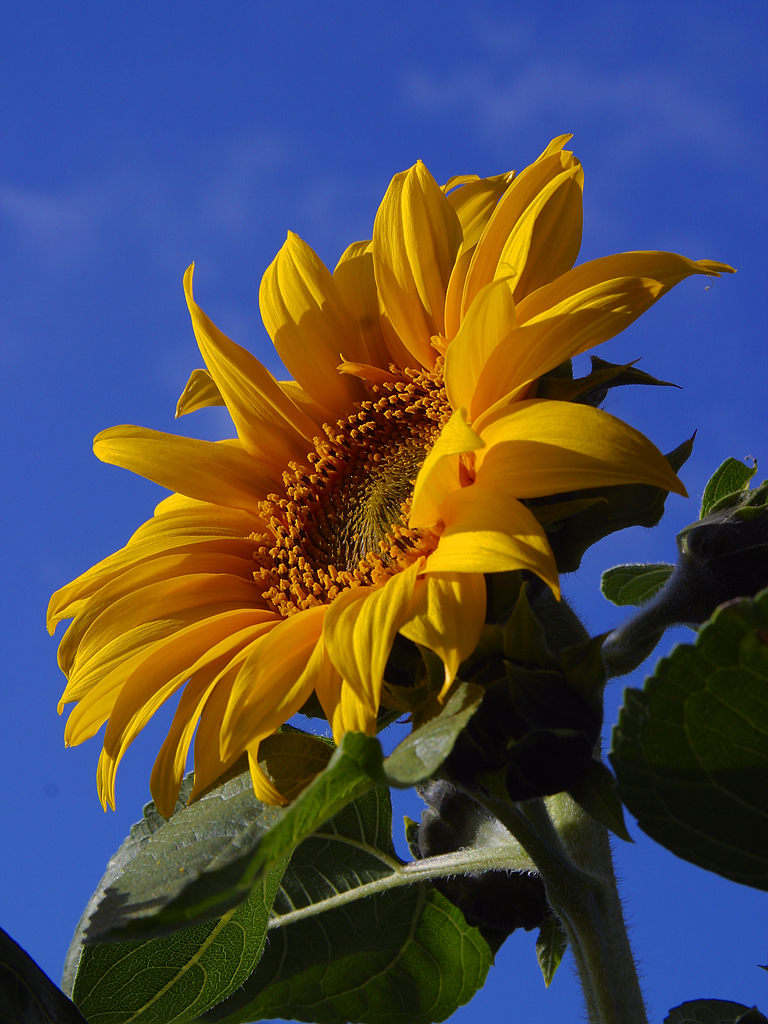 Common sunflowerHelianthus annuus
A tall annual plant grown for its large yellow flower heads and edible seeds
🇨🇦 Canada and 4 more · Wildflower
Common sunflowerHelianthus annuus
A tall annual plant grown for its large yellow flower heads and edible seeds
🇨🇦 Canada and 4 more · Wildflower
 PomegranatePunica granatum
A shrub with bright red flowers and a fruit full of edible seeds
🇮🇷 Iran and 9 more · Flowering shrub
PomegranatePunica granatum
A shrub with bright red flowers and a fruit full of edible seeds
🇮🇷 Iran and 9 more · Flowering shrub
 ApricotPrunus armeniaca
A small fruit tree with early white to pink blossoms and golden-orange fruit
🇨🇳 China and 6 more · Flowering tree
ApricotPrunus armeniaca
A small fruit tree with early white to pink blossoms and golden-orange fruit
🇨🇳 China and 6 more · Flowering tree