
Paeonia ostii
A Chinese tree peony with large white spring flowers
Paeonia ostii is a woody peony native to central China, found on forested slopes and in woodlands. It grows as a shrub with striking white blossoms in spring, and is valued for both its ornamental flowers and its role in traditional medicine.
- Native to central Chinese provinces like Gansu and Henan
- Produces large, pure white flowers in mid-spring
- Grows up to 1.5 meters tall as a woody shrub
- Cultivated forms are used in traditional Asian medicine
What does Paeonia ostii look like?
Paeonia ostii is a woody shrub that can grow up to one and a half meters tall. Its leaves are narrow and pointed, and the bark is greyish-brown. The plant produces large, showy flowers in mid-spring, each up to 15 centimeters wide. Most blooms are pure white, though some may have a hint of pink. The flowers do not have colored spots at their base.
Where does Paeonia ostii come from?
This peony species is native to several provinces in central China, including Gansu, Anhui, Shaanxi, and Henan. It grows in the wild on hillsides and within deciduous forests at moderate elevations, between 300 and 600 meters. Over time, it has been cultivated in China for its attractive flowers and for use in traditional medicine.
When and how Paeonia ostii blooms
Paeonia ostii blooms in the middle of spring. It thrives in woodland areas and on slopes with well-drained soil. The plant is usually grown from seed or by dividing established shrubs. Gardeners value it for its hardiness and its ability to produce large, elegant flowers each year.
How Paeonia ostii is used
In China and other parts of Asia, Paeonia ostii is grown in gardens for its decorative spring flowers. Two cultivated forms, 'Feng Dan Bai' and 'Feng Dan Fen', are especially important in traditional medicine, where the bark from their roots is harvested for use.
Kinds of Paeonia ostii
Notable cultivated varieties include 'Feng Dan Bai', which has white flowers, and 'Feng Dan Fen', which bears pink blossoms. Both are grown for their medicinal root bark as well as their ornamental value.
What Paeonia ostii means
Paeonia ostii is recognized in China for its beauty and its role in traditional remedies. While not named as a national or regional emblem, it is an important species among tree peonies, especially for its medicinal cultivars.
Questions people ask about Paeonia ostii
Where does Paeonia ostii grow naturally?
It is native to central China, especially in the provinces of Gansu, Anhui, Shaanxi, and Henan, where it grows on forested slopes and in woodlands.
What do the flowers of Paeonia ostii look like?
The flowers are large, usually pure white, sometimes with a faint pink tint, and can reach up to 15 centimeters across.
How is Paeonia ostii used?
It is grown for its ornamental flowers in gardens and for its root bark, which is used in traditional medicine in Asia.
Are there different varieties of Paeonia ostii?
Yes, 'Feng Dan Bai' (white) and 'Feng Dan Fen' (pink) are cultivated varieties valued for both their flowers and their medicinal root bark.
Good reading and sources
- Plants of the World OnlineRoyal Botanic Gardens, Kew, Plant database
- Where it has been recordedGBIF, Plant database
- Paeonia ostii on WikipediaEncyclopedia
- More photos on Wikimedia CommonsPhotos
- Wikidata recordOpen data
The facts on this page come from the Wikipedia article "Paeonia ostii", written by its contributors and used under the CC BY-SA 4.0 licence, and from its Wikidata record (CC0). Phool rewrote the text in its own words, with AI assistance, and compares every page with the article to make sure no passage is copied. It may be reused under the same CC BY-SA 4.0 licence with a link back.
It may contain mistakes. It is not medical or foraging advice: many flowers are poisonous, and traditional uses are reported, not recommended. If something is wrong, tell us. Last refreshed 2026-10-03.
Others in the family Paeoniaceae
The whole family PeonyPaeonia
Large spring flowers in pink, red, white, yellow and purple, grown in gardens worldwide
🇨🇳 China and 7 more · Wildflower
PeonyPaeonia
Large spring flowers in pink, red, white, yellow and purple, grown in gardens worldwide
🇨🇳 China and 7 more · Wildflower
 Paeonia anomala
A wild peony with finely divided leaves and magenta-red flowers from northern Eurasia
🇷🇺 Russia and 4 more · Wildflower
Paeonia anomala
A wild peony with finely divided leaves and magenta-red flowers from northern Eurasia
🇷🇺 Russia and 4 more · Wildflower
 Woodland peonyPaeonia obovata
A woodland peony with white, pink or purple-red flowers from East Asia
🇨🇳 China and 2 more · Wildflower
Woodland peonyPaeonia obovata
A woodland peony with white, pink or purple-red flowers from East Asia
🇨🇳 China and 2 more · Wildflower
 Delavay's tree peonyPaeonia delavayi
A woody peony from China with flowers in red, yellow, or other shades
🇨🇳 China · Wildflower
Delavay's tree peonyPaeonia delavayi
A woody peony from China with flowers in red, yellow, or other shades
🇨🇳 China · Wildflower
More from China
All the flowers of China PeachPrunus persica
A flowering fruit tree from China, grown for its pink blossoms and sweet fruit
🇨🇳 China and 7 more · Flowering tree
PeachPrunus persica
A flowering fruit tree from China, grown for its pink blossoms and sweet fruit
🇨🇳 China and 7 more · Flowering tree
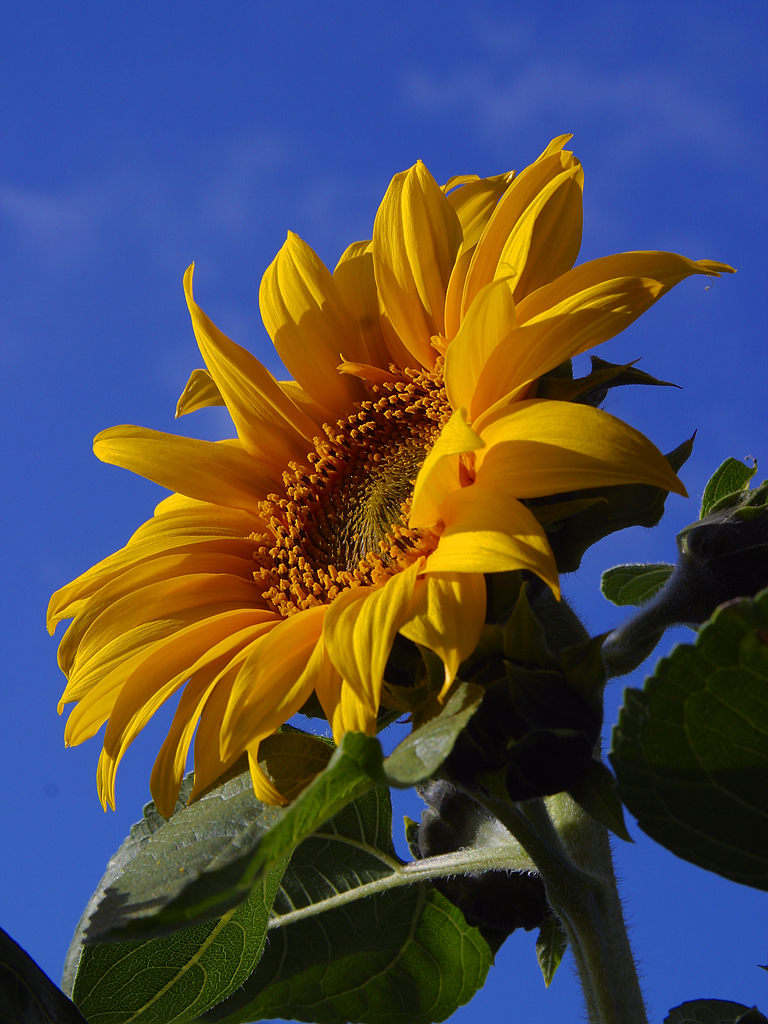 Common sunflowerHelianthus annuus
A tall annual plant grown for its large yellow flower heads and edible seeds
🇨🇦 Canada and 4 more · Wildflower
Common sunflowerHelianthus annuus
A tall annual plant grown for its large yellow flower heads and edible seeds
🇨🇦 Canada and 4 more · Wildflower
 PomegranatePunica granatum
A shrub with bright red flowers and a fruit full of edible seeds
🇮🇷 Iran and 9 more · Flowering shrub
PomegranatePunica granatum
A shrub with bright red flowers and a fruit full of edible seeds
🇮🇷 Iran and 9 more · Flowering shrub
 ApricotPrunus armeniaca
A small fruit tree with early white to pink blossoms and golden-orange fruit
🇨🇳 China and 6 more · Flowering tree
ApricotPrunus armeniaca
A small fruit tree with early white to pink blossoms and golden-orange fruit
🇨🇳 China and 6 more · Flowering tree