
Woodland peony
Paeonia obovata, family Paeoniaceae
A woodland peony with white, pink or purple-red flowers from East Asia
Paeonia obovata, or woodland peony, is a perennial herb growing 30–70 cm tall with single flowers in shades of white, pink, or purple-red. Native to forests in China, Japan, Korea, and Far Eastern Russia, it is valued for its attractive blooms and is used in traditional medicine.
- Native to forests in China, Japan, Korea, and Far Eastern Russia
- Flowers range from white and pink to purple-red
- Roots used in traditional Chinese and Ainu medicine
- Introduced to Europe by Ernest Henry Wilson in 1900
What does Woodland peony look like?
Woodland peony is a perennial herbaceous plant, 30–70 cm high, that dies back in autumn and regrows from buds just below the soil. It has thick roots and hairless, sturdy stems. The leaves are divided into up to nine inverted egg-shaped leaflets, with the lower surface sometimes hairy or felted. Each stem bears a single flower, 7–12 cm across, with four to seven petals in shades from white and pink to carmine or purple-red. The flowers have yellow, orange-red, or dark purple anthers and glossy black seeds.
Where does Woodland peony come from?
Paeonia obovata grows wild in forests from eastern China through Korea, Japan, and Far Eastern Russia, including Manchuria and Sakhalin. It is found at altitudes from 200 to 2800 meters, in both broad-leaved and coniferous woods. The species was first described in 1859 from a Russian specimen. Over time, botanists named several related forms, but most are now considered part of P. obovata. The plant was introduced to Europe in 1900 by Ernest Henry Wilson.
When and how Woodland peony blooms
The woodland peony flowers in May and June. It grows from thick roots and overwinters with buds just under the soil surface. It prefers forest habitats, often at moderate to high altitudes. Plants can be grown from seed or divided roots. The flowers open singly at the top of each stem, and the plant produces dry fruits with shiny black seeds that ripen in September.


How Woodland peony is used
In traditional Chinese medicine, the roots of Paeonia obovata are used as a painkiller, tranquilliser, and anti-inflammatory remedy, and to treat cardiovascular issues and bleeding. The Ainu people of Hokkaido also used it for pain relief. In gardens, it is grown for its attractive spring flowers. It was first cultivated in European botanical gardens and is now available to gardeners.
Kinds of Woodland peony
Paeonia obovata is highly variable. Plants may be diploid or tetraploid, with differences in leaf hairiness, flower color, and number of stamens and carpels. The subspecies willmottiae, found in China’s Qin Mountains, has hairy leaf undersides and 20 chromosomes. Other forms differ in flower color and leaf texture, but all are now usually grouped as one species.
What Woodland peony means
The Latin name 'obovata' refers to the inverted egg shape of its leaflets. The plant has a long history in East Asian traditional medicine. It was introduced to European horticulture in the early 20th century. Among the Ainu people, it was known as horap or orap and valued for its medicinal properties.
Questions people ask about Woodland peony
Where does Paeonia obovata come from?
Paeonia obovata is native to forests in China, Japan, Korea, and Far Eastern Russia, growing at various altitudes from 200 to 2800 meters.
What does the woodland peony look like?
It is a 30–70 cm tall perennial with divided leaves and a single large flower per stem. The flowers can be white, pink, or purple-red, with glossy black seeds.
How is Paeonia obovata used?
Its roots are used in traditional Chinese medicine for pain relief and other remedies. The Ainu people of Hokkaido also used it as a painkiller. It is grown in gardens for its spring flowers.
What does Paeonia obovata symbolise?
The sources do not mention a specific symbolism for Paeonia obovata.
Are there different forms of this peony?
Yes, it is a variable species with differences in flower color, leaf hairiness, and chromosome number. The subspecies willmottiae is one notable form found in China.
Good reading and sources
- Paeonia obovataRoyal Horticultural Society, Article
- Plants of the World OnlineRoyal Botanic Gardens, Kew, Plant database
- Where it has been recordedGBIF, Plant database
- Sightings and photos by naturalistsiNaturalist, Plant database
- Paeonia obovata on WikipediaEncyclopedia
- More photos on Wikimedia CommonsPhotos
- Wikidata recordOpen data
The facts on this page come from the Wikipedia article "Paeonia obovata", written by its contributors and used under the CC BY-SA 4.0 licence, and from its Wikidata record (CC0). Phool rewrote the text in its own words, with AI assistance, and compares every page with the article to make sure no passage is copied. It may be reused under the same CC BY-SA 4.0 licence with a link back.
It may contain mistakes. It is not medical or foraging advice: many flowers are poisonous, and traditional uses are reported, not recommended. If something is wrong, tell us. Last refreshed 2026-10-03.
Others in the family Paeoniaceae
The whole family PeonyPaeonia
Large spring flowers in pink, red, white, yellow and purple, grown in gardens worldwide
🇨🇳 China and 7 more · Wildflower
PeonyPaeonia
Large spring flowers in pink, red, white, yellow and purple, grown in gardens worldwide
🇨🇳 China and 7 more · Wildflower
 Paeonia anomala
A wild peony with finely divided leaves and magenta-red flowers from northern Eurasia
🇷🇺 Russia and 4 more · Wildflower
Paeonia anomala
A wild peony with finely divided leaves and magenta-red flowers from northern Eurasia
🇷🇺 Russia and 4 more · Wildflower
 Paeonia rockii紫斑牡丹
A large, fragrant tree peony from the mountains of China
🇨🇳 China · Garden flower
Paeonia rockii紫斑牡丹
A large, fragrant tree peony from the mountains of China
🇨🇳 China · Garden flower
 Delavay's tree peonyPaeonia delavayi
A woody peony from China with flowers in red, yellow, or other shades
🇨🇳 China · Wildflower
Delavay's tree peonyPaeonia delavayi
A woody peony from China with flowers in red, yellow, or other shades
🇨🇳 China · Wildflower
More from China
All the flowers of China PeachPrunus persica
A flowering fruit tree from China, grown for its pink blossoms and sweet fruit
🇨🇳 China and 7 more · Flowering tree
PeachPrunus persica
A flowering fruit tree from China, grown for its pink blossoms and sweet fruit
🇨🇳 China and 7 more · Flowering tree
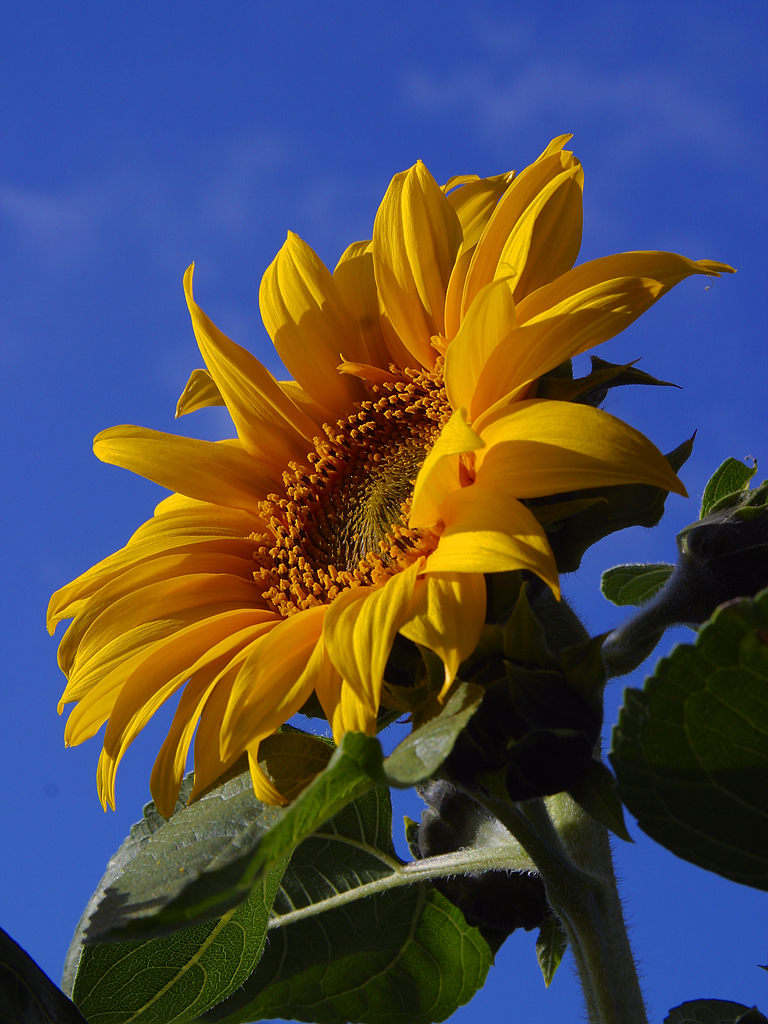 Common sunflowerHelianthus annuus
A tall annual plant grown for its large yellow flower heads and edible seeds
🇨🇦 Canada and 4 more · Wildflower
Common sunflowerHelianthus annuus
A tall annual plant grown for its large yellow flower heads and edible seeds
🇨🇦 Canada and 4 more · Wildflower
 PomegranatePunica granatum
A shrub with bright red flowers and a fruit full of edible seeds
🇮🇷 Iran and 9 more · Flowering shrub
PomegranatePunica granatum
A shrub with bright red flowers and a fruit full of edible seeds
🇮🇷 Iran and 9 more · Flowering shrub
 BirchBetula
Slender trees with papery bark found across the northern world
🇨🇳 China and 7 more · Wildflower
BirchBetula
Slender trees with papery bark found across the northern world
🇨🇳 China and 7 more · Wildflower