Viewing and flower tours
Garden visiting and open-garden schemes
Private gardens opened to the public for a day or two a year, usually for charity, with tea and cake on the lawn.
Presented by ClearTrust Free for gardeners, florists, travellers and the curious.
Under an open-garden scheme, owners of private gardens let visitors in on set days for a small fee that goes to charity. The model is the National Garden Scheme in England and Wales, running since 1927. It lets ordinary people see how others garden, from grand estates to small town plots, and ask the person who did the work how they did it.

What it is
A garden joins the scheme after a visit from a local organiser, who checks that it has enough interest to hold a visitor for a good half hour. The owner picks one or more open days. Visitors pay at the gate, walk round, and usually buy tea, homemade cake and plants raised by the owner. Several small gardens in one village often open together. The year's listings are published in a guide long known in Britain as the Yellow Book.
Where it comes from
Visiting great houses and their grounds was a pastime of the British gentry in the 1700s, and public parks and botanic gardens widened access in the 1800s. The National Garden Scheme began in 1927 as a way to raise money for district nurses, who cared for the sick in their homes. Owners were asked to open for a shilling a head. Scotland's Gardens Scheme followed in 1931. In the United States the Garden Conservancy has run Open Days since 1995.
How it works
The calendar follows the plants. Snowdrop gardens open in February, bluebell woods and tulips in April and May, roses and herbaceous borders in June and July, dahlias and grasses in early autumn. Money raised goes mainly to nursing, hospice and health charities. France holds a national garden weekend, Rendez-vous aux jardins, at the start of June, and garden clubs in Australia, New Zealand and elsewhere run their own open days and garden trails.
How to take part
- Search the scheme's website by postcode or date, and check whether booking is needed.
- Bring cash for teas and plants. Not every garden takes cards.
- Ask the owner questions. Most are delighted to talk about what grows well and what failed.
- Note plant names on your phone, and buy from the plant stall if there is one.
Good manners
- It is someone's home. Stay within the areas marked open, and do not look through the windows.
- Never take cuttings or seed heads without asking.
- Check whether dogs are allowed before you bring one.
The flowers
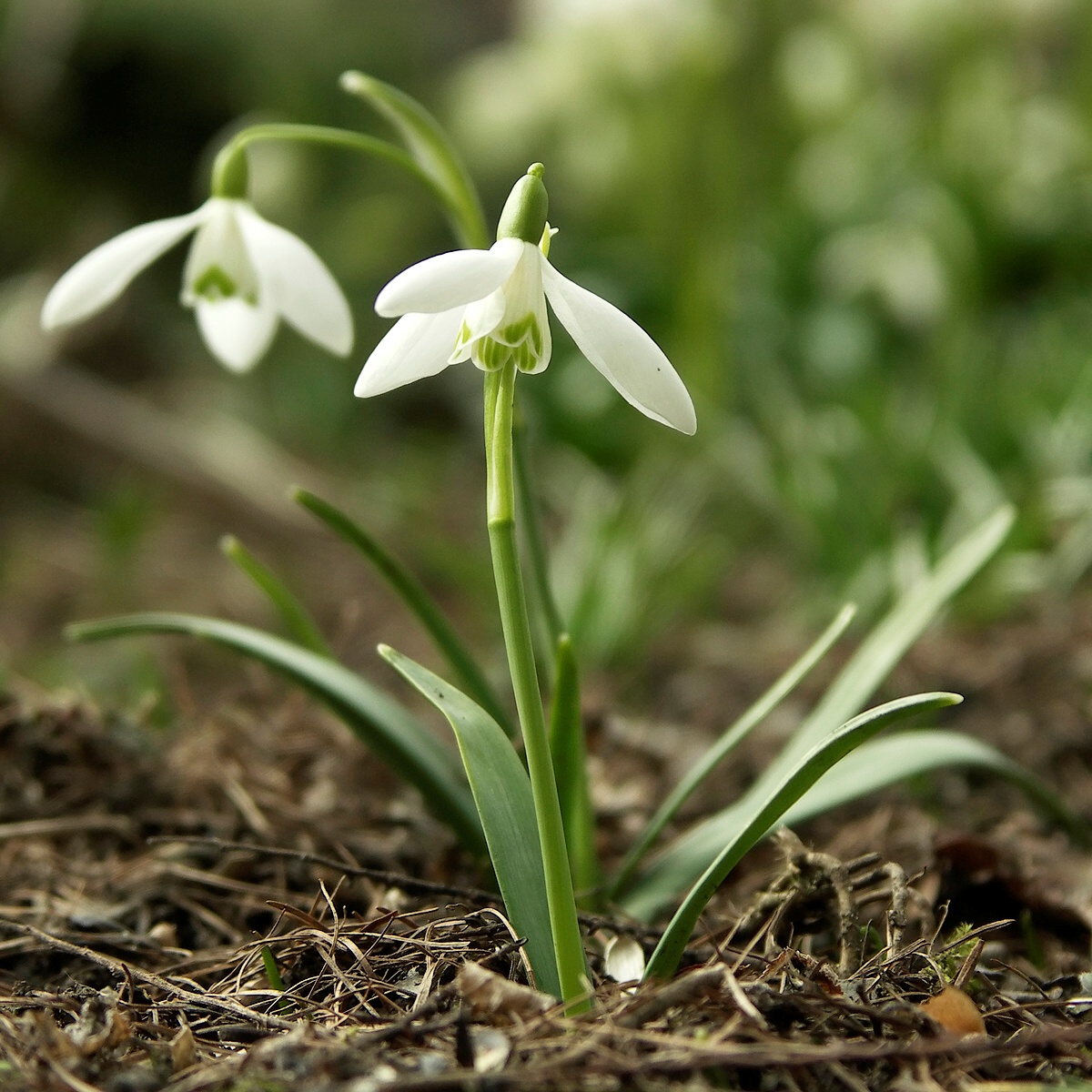 SnowdropWhite bell-shaped flowers that bloom at the end of winter
 RoseWoody perennial plants with showy, often fragrant flowers in many colours
 DelphiniumTall garden flowers with spurred blooms in blue, purple, pink, and white
 PeonyLarge spring flowers in pink, red, white, yellow and purple, grown in gardens worldwide
 DahliaA bushy perennial with tuberous roots and bright, star-shaped blooms
Also part of it, and being written: Hyacinthoides non-scripta, Sweet pea.
Sources and further reading
Original text by the Phool desk, written with AI assistance. Customs vary from place to place. If we have something wrong, tell us.
Photo credits on this page
The small pictures above come from Wikimedia Commons under free licences. Some are cropped to fit.
- Rose: User:Tigerente, CC BY-SA 3.0, source
- Delphinium: Walter Siegmund, CC BY-SA 3.0, source
- Snowdrop: Unknown author, CC BY-SA 3.0, source
- Dahlia: JackyM59, CC BY 4.0, source
- Peony: Taken by Fanghong, CC BY 2.5, source