
Imperial crest of Japan
In its own language: 菊紋
The 16-petal chrysanthemum emblem of the Japanese emperor and imperial family
The Imperial crest of Japan, called kikumon in Japanese, is a stylized chrysanthemum flower used as the symbol of the emperor and imperial family. This emblem, featuring 16 petals, appears on official items such as passports and is recognized as a national emblem of Japan.
- The crest shows a 16-petal chrysanthemum with a second row behind.
- It is used by the emperor and imperial family of Japan.
- The design appears on Japanese passports and official honors.
- Other versions, like the 14-petal crest, are used by family members.
- The chrysanthemum is a symbol of nobility in Japan.
What is Imperial crest of Japan?
The Imperial crest of Japan is a graphic representation of a chrysanthemum flower, usually shown in yellow or orange with either black or red outlines. The main design features a central circle surrounded by 16 petals, with another set of 16 petals partly visible behind the first. Different versions exist, such as a 14-petal crest for some imperial family members, and a 16 single-petal form for official documents and honors.
Where does Imperial crest of Japan come from?
This crest has its roots in Japanese tradition, where the chrysanthemum is seen as a noble flower. The 16-petal design became linked to the emperor and imperial family in the 13th century. Over time, the crest was reserved for the emperor, with other family members using slightly altered versions. In the Meiji period, strict rules limited its use to the imperial household. The crest also played a role in historical conflicts, as rival emperors used different petal counts to set themselves apart.
How Imperial crest of Japan is made
The crest is not a physical flower but a stylized image used in various forms. It appears on official items such as passports, imperial standards, and decorations like the Order of the Chrysanthemum. The design is carefully rendered to show the layered petals and central disc, often in gold or yellow tones for ceremonial and official use.


When and where Imperial crest of Japan is used
The kikumon is displayed on objects and documents associated with the emperor and imperial family, including passports and honors. During the Meiji era, its use was strictly limited to the imperial household. Today, it continues to serve as a symbol of imperial authority and is seen on various official items, as well as at Shinto shrines connected to the imperial family.
Forms of Imperial crest of Japan
While the main crest features 16 petals with a second row behind, other versions exist. Imperial family members may use a 14-petal version, and the 16 single-petal form is used for official orders and passports. In the past, rival emperors adopted different petal counts, such as 17, to distinguish themselves.
What Imperial crest of Japan means
The chrysanthemum crest stands for the Japanese emperor and imperial family, and is recognized as a national emblem. The flower itself is a symbol of nobility in Japan. The crest appears in state ceremonies and on official items, and the word 'chrysanthemum' alone can refer to the emperor or his household in Japanese culture.
The flowers of Imperial crest of Japan


Questions people ask about Imperial crest of Japan
What is the Imperial crest of Japan?
It is a stylized chrysanthemum flower with 16 petals, used as the symbol of the Japanese emperor and imperial family. The design is recognized as one of Japan's national emblems.
Where does the Imperial crest come from?
The crest has been linked to the Japanese imperial family since at least the 13th century, with its use formalized in the Meiji period. The chrysanthemum is seen as a noble flower in Japan.
What does the chrysanthemum crest look like?
It features a central disc with 16 petals in front and another 16 partly visible behind, usually in yellow or orange with black or red outlines.
Where is the crest used today?
The crest appears on Japanese passports, imperial standards, official honors, and at Shinto shrines associated with the imperial family.
Does the crest have any special meaning?
The chrysanthemum crest represents the emperor and imperial family, and the flower itself is a symbol of nobility in Japanese culture.
Good reading and sources
- Imperial crest of Japan on WikipediaEncyclopedia
- More photos on Wikimedia CommonsPhotos
- Wikidata recordOpen data
The facts on this page come from the Wikipedia article "Imperial crest of Japan", written by its contributors and used under the CC BY-SA 4.0 licence, and from its Wikidata record (CC0). Phool rewrote the text in its own words, with AI assistance, and compares every page with the article to make sure no passage is copied. It may be reused under the same CC BY-SA 4.0 licence with a link back.
It may contain mistakes. If something is wrong, tell us. Last refreshed 2026-10-03.
More of the same kind
 Decoration
Rangoliरंगोली
Indian floor art made with coloured powders, rice, or petals for festivals and daily welcome
🇮🇳 India and 1 more · Carpet or floor pattern
Decoration
Rangoliरंगोली
Indian floor art made with coloured powders, rice, or petals for festivals and daily welcome
🇮🇳 India and 1 more · Carpet or floor pattern
 Decoration
Ashtamangalaअष्टमङ्गल
A sacred set of eight auspicious symbols in Indian religions
🇮🇳 India and 1 more · Art or design
Decoration
Ashtamangalaअष्टमङ्गल
A sacred set of eight auspicious symbols in Indian religions
🇮🇳 India and 1 more · Art or design
 Decoration
Paisleyبته
A curved teardrop motif from Iran and India, now used worldwide on textiles
🇮🇷 Iran and 8 more · Art or design
Decoration
Paisleyبته
A curved teardrop motif from Iran and India, now used worldwide on textiles
🇮🇷 Iran and 8 more · Art or design
 Decoration
Nageirebana抛入花
A free-form ikebana style using tall vases and no flower holders
Arrangement
Decoration
Nageirebana抛入花
A free-form ikebana style using tall vases and no flower holders
Arrangement
More from Japan
All the flowers of Japan Decoration
Bonsai盆栽
The Japanese art of shaping miniature trees in shallow pots
🇯🇵 Japan and 7 more · Art or design
Decoration
Bonsai盆栽
The Japanese art of shaping miniature trees in shallow pots
🇯🇵 Japan and 7 more · Art or design
 Decoration
Tokonoma床の間
A Japanese alcove for displaying scrolls and flower arrangements
🇯🇵 Japan · Arrangement
Decoration
Tokonoma床の間
A Japanese alcove for displaying scrolls and flower arrangements
🇯🇵 Japan · Arrangement
 Decoration
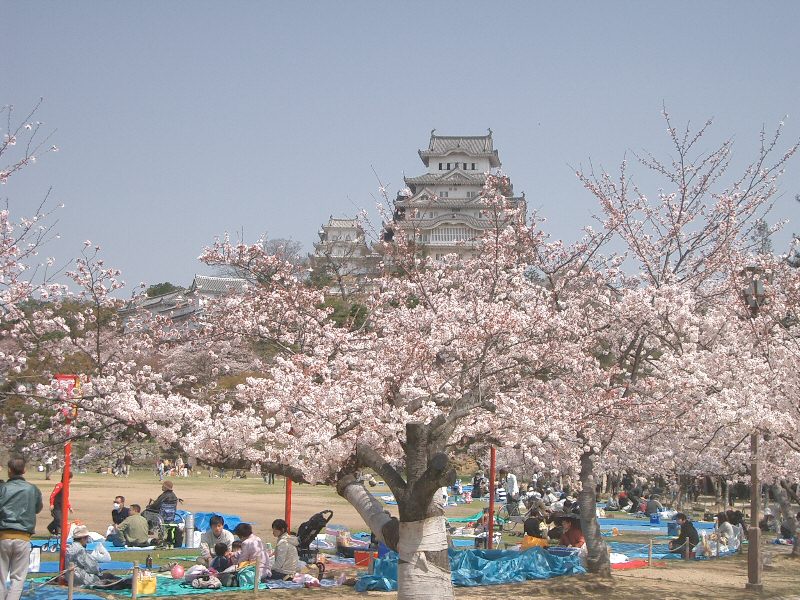
Hanami花見
The Japanese tradition of gathering to enjoy cherry blossoms in spring
🇯🇵 Japan and 7 more · Custom, Jan to May
Decoration
Hanami花見
The Japanese tradition of gathering to enjoy cherry blossoms in spring
🇯🇵 Japan and 7 more · Custom, Jan to May
 Decoration
Sōgetsu草月流
A modern school of Japanese ikebana open to all materials and styles
🇯🇵 Japan · Arrangement
Decoration
Sōgetsu草月流
A modern school of Japanese ikebana open to all materials and styles
🇯🇵 Japan · Arrangement