Tết
In its own language: Tết Nguyên Đán
Vietnam's spring new year festival with flowers, family, and lucky customs
Tết is the Vietnamese Lunar New Year, marking the start of spring and the first day of the lunar calendar. Families gather, honor ancestors, exchange lucky money, and decorate homes with flowers like peach blossom, ochna, and kumquat trees. Tết blends ancient customs, festive food, and vibrant displays across Vietnam.
- Tết marks the start of the Vietnamese lunar new year and spring.
- Homes are decorated with peach blossom, ochna, and kumquat trees.
- Red envelopes with lucky money are given to children and elders.
- Lion dances and fireworks are common public celebrations.
- Ancestor veneration and family reunions are central traditions.
What is Tết?
Tết is the Vietnamese celebration of the Lunar New Year, lasting several days and filled with family gatherings, festive meals, and traditional customs. Homes are decorated with colorful flowers such as yellow ochna in the south, pink peach blossoms in the north, and kumquat trees symbolizing prosperity. Decorative displays often include chrysanthemums, marigolds, cockscombs, paperwhites, and orchids. Families also hang calligraphy and folk paintings, and set up a bamboo New Year tree called cây nêu adorned with charms and ornaments.
Where does Tết come from?
Tết has roots in ancient Vietnamese and Chinese traditions, shaped over centuries of cultural exchange and adaptation. The festival follows the lunisolar calendar, with its timing and customs influenced by both the moon and solar terms. While many sources trace Tết’s origins to the period of Chinese rule, Vietnamese legends and some researchers suggest it may have existed earlier, with unique local practices and foods. Over time, Tết developed distinct Vietnamese features, such as the use of the buffalo, cat, and goat in the zodiac, and regional customs for celebration.
How Tết is made
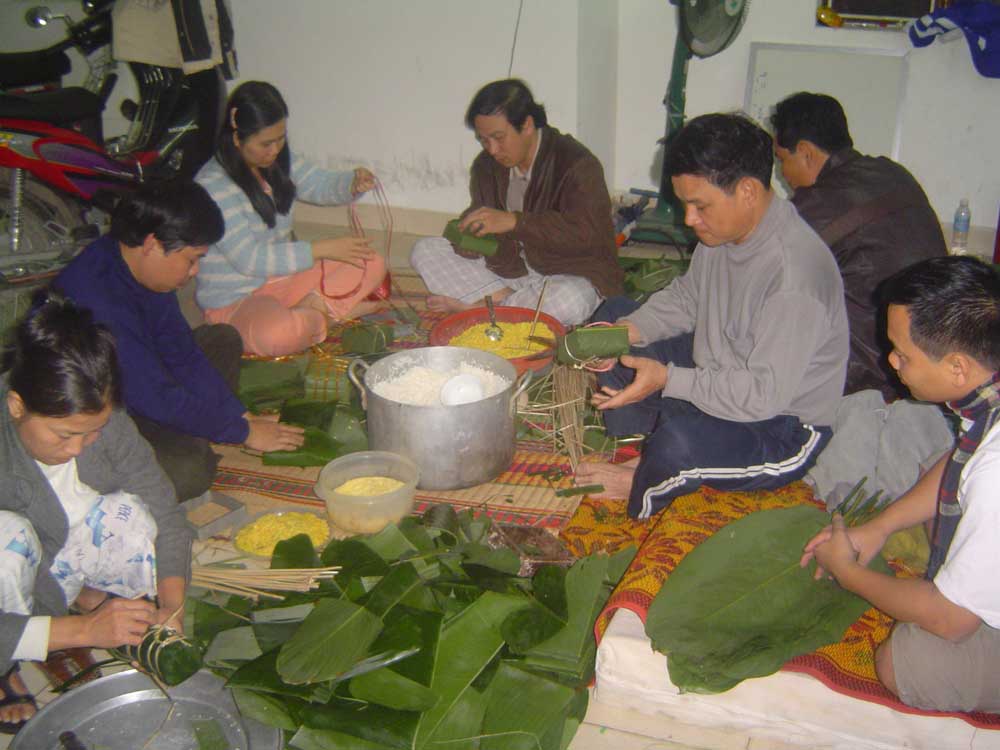
Preparations for Tết begin weeks in advance, with families cleaning their homes, settling debts, and cooking special foods. Houses are decorated with seasonal flowers and plants, and a bamboo cây nêu is set up in some regions. On New Year's Eve, families gather for ancestor veneration and festive meals. The first days of Tết are marked by visiting relatives, giving red envelopes with lucky money, and wearing new clothes, often in red for good luck. Public celebrations include fireworks, lion dances, and noisy parades to ward off evil spirits.


When and where Tết is used
Tết is celebrated by Vietnamese families across the country and in the diaspora. The first day is for immediate family, with children receiving lucky money and elders being honored. The second and third days are for visiting friends and teachers. Homes are filled with flowers and symbolic decorations, and people avoid arguments or negative behavior to ensure good fortune. Tết is also a time for ancestor worship, temple visits, and community festivities, including traditional games and performances.
Forms of Tết
Tết customs vary by region: in the north, peach blossoms and kumquat trees are favored, while the south prefers yellow ochna flowers and marigolds. The types of food, decorations, and even the names for lucky money differ between regions. Some areas use plum blossoms or mountain ebony for decoration. Each region and religion may observe Tết with unique local traditions, reflecting the diversity of Vietnamese culture.
What Tết means
Tết is the most important holiday in Vietnam, symbolizing renewal, family unity, and hope for prosperity. It is deeply tied to ancestor veneration and Buddhist practice, with temple visits and offerings. The festival is marked by wishes for longevity, health, and success, expressed through greetings and symbolic gifts. Tết also features in Vietnamese legends, folk art, and literature, and is a key time for cultural expression and national identity.
The flowers of Tết
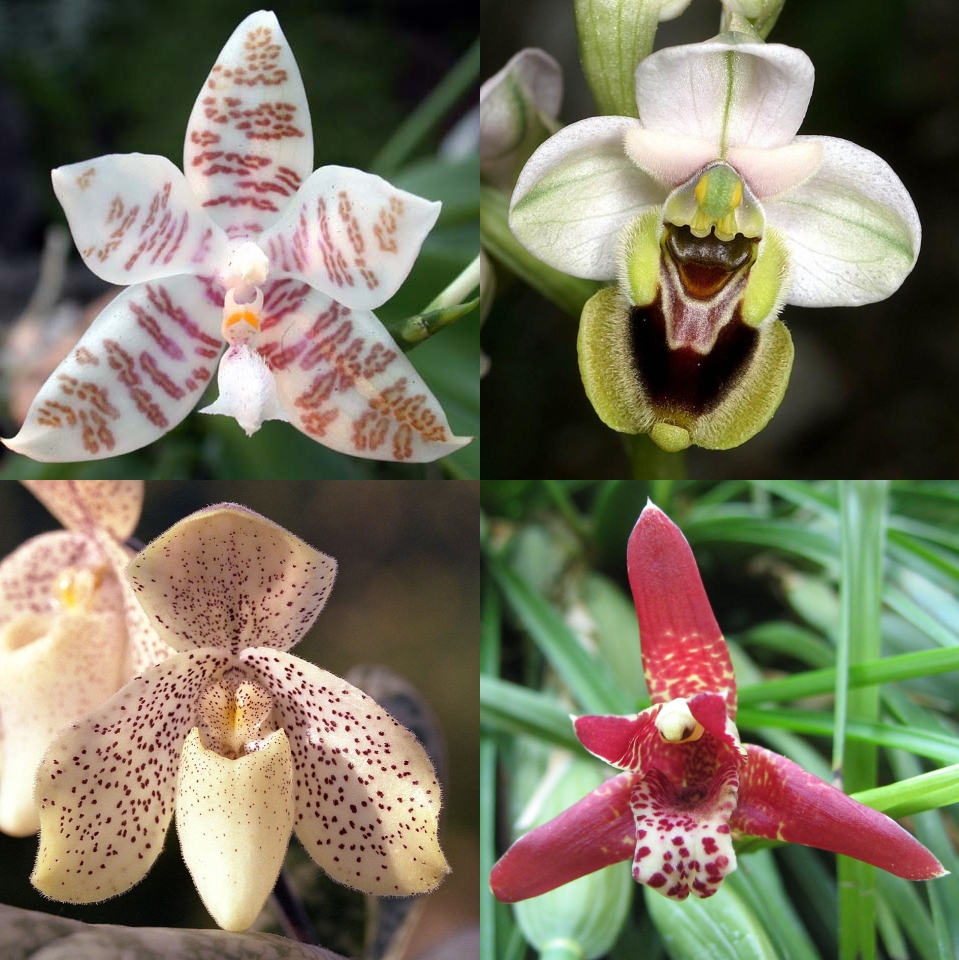 OrchidA vast family of colourful, often fragrant flowers found almost everywhere on earth
 ChrysanthemumAutumn-blooming flower with thousands of varieties, cherished in East Asia and beyond
 MarigoldA group of bright annual and perennial flowers known worldwide as marigolds
 CalendulaGolden daisy-like flowers used in food, dye, and rituals
 Prunus mumeThe fragrant plum blossom tree that blooms in winter across East Asia
 PaperwhiteA tall, white-and-yellow narcissus grown for scent and indoor blooms
 Chrysanthemum japonenseA white-flowered perennial daisy native to coastal Shikoku, Japan
 Indian chrysanthemumA yellow or white-flowered chrysanthemum native to China
Questions people ask about Tết
What is Tết and when is it celebrated?
Tết is the Vietnamese Lunar New Year festival, celebrated on the first day of the lunar calendar, usually between late January and February. It marks the arrival of spring and is the most important holiday in Vietnam.
What flowers are used to decorate homes during Tết?
Common decorations include yellow ochna flowers in the south, peach blossoms in the north, kumquat trees, chrysanthemums, marigolds, cockscombs, paperwhites, and orchids. These symbolize luck, prosperity, and renewal.
What are the main customs of Tết?
Families clean and decorate their homes, prepare special foods, honor ancestors, give red envelopes with lucky money, and visit relatives and friends. Public celebrations include fireworks, lion dances, and parades.
Where does Tết come from?
Tết has roots in both ancient Vietnamese and Chinese traditions, shaped over centuries of cultural exchange. Some legends suggest it predates Chinese rule, but most sources link its origins to the period of Chinese influence.
What does Tết symbolize in Vietnamese culture?
Tết represents renewal, family unity, and hope for good fortune in the coming year. It is a time for ancestor veneration, expressing wishes for health, prosperity, and happiness, and celebrating national and cultural identity.
Good reading and sources
The facts on this page come from the Wikipedia article "Tết", written by its contributors and used under the CC BY-SA 4.0 licence, and from its Wikidata record (CC0). Phool rewrote the text in its own words, with AI assistance, and compares every page with the article to make sure no passage is copied. It may be reused under the same CC BY-SA 4.0 licence with a link back.
It may contain mistakes. If something is wrong, tell us. Last refreshed 2026-10-03.
More of the same kind
 Decoration
Tokonoma床の間
A Japanese alcove for displaying scrolls and flower arrangements
🇯🇵 Japan · Arrangement
Decoration
Tokonoma床の間
A Japanese alcove for displaying scrolls and flower arrangements
🇯🇵 Japan · Arrangement
 Decoration
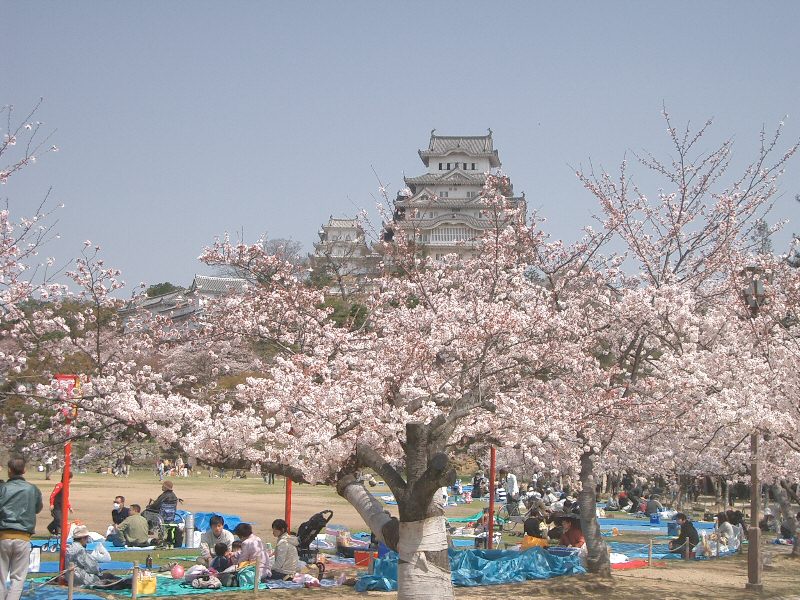
Hanami花見
The Japanese tradition of gathering to enjoy cherry blossoms in spring
🇯🇵 Japan and 7 more · Custom, Jan to May
Decoration
Hanami花見
The Japanese tradition of gathering to enjoy cherry blossoms in spring
🇯🇵 Japan and 7 more · Custom, Jan to May
 Decoration
Bouquet
A creative arrangement of flowers, given or displayed for many occasions
🇨🇳 China and 1 more · Arrangement
Decoration
Bouquet
A creative arrangement of flowers, given or displayed for many occasions
🇨🇳 China and 1 more · Arrangement
 Decoration
Sōgetsu草月流
A modern school of Japanese ikebana open to all materials and styles
🇯🇵 Japan · Arrangement
Decoration
Sōgetsu草月流
A modern school of Japanese ikebana open to all materials and styles
🇯🇵 Japan · Arrangement
More from Vietnam
All the flowers of Vietnam Decoration
Bonsai盆栽
The Japanese art of shaping miniature trees in shallow pots
🇯🇵 Japan and 7 more · Art or design
Decoration
Bonsai盆栽
The Japanese art of shaping miniature trees in shallow pots
🇯🇵 Japan and 7 more · Art or design
 Decoration
Flowers of the Four Seasons四季名花
A classic set of four flowers symbolizing each season in Chinese art
🇨🇳 China and 2 more · Art or design
Decoration
Flowers of the Four Seasons四季名花
A classic set of four flowers symbolizing each season in Chinese art
🇨🇳 China and 2 more · Art or design
 Decoration
Vesak
The Buddhist festival marking the Buddha’s birth, enlightenment, and passing
🇱🇰 Sri Lanka and 7 more · Custom, Apr to Jun
Decoration
Vesak
The Buddhist festival marking the Buddha’s birth, enlightenment, and passing
🇱🇰 Sri Lanka and 7 more · Custom, Apr to Jun
 Decoration
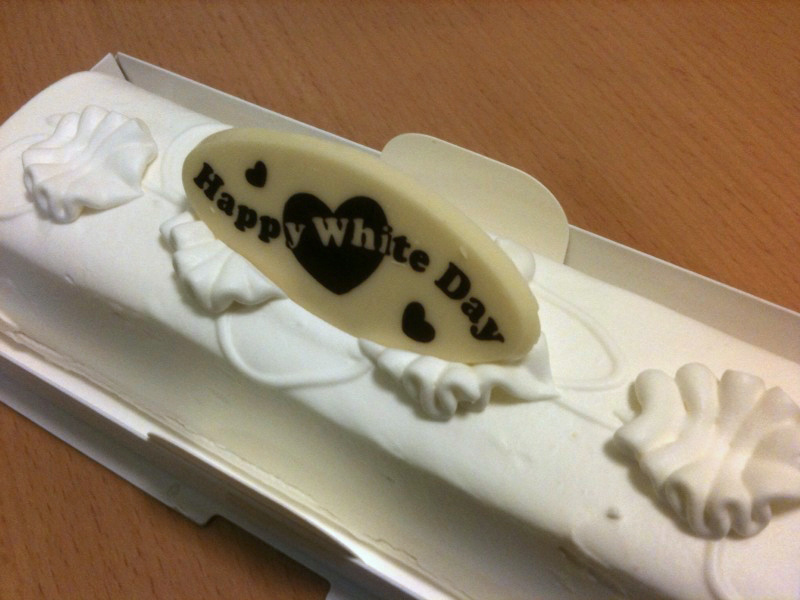
White Dayホワイトデー
March 14 gift-giving day in Japan and East Asia, one month after Valentine's Day
🇯🇵 Japan and 4 more · Custom, March
Decoration
White Dayホワイトデー
March 14 gift-giving day in Japan and East Asia, one month after Valentine's Day
🇯🇵 Japan and 4 more · Custom, March