
Calendula
Golden daisy-like flowers used in food, dye, and rituals
Calendula is a group of annual and perennial herbs in the daisy family, with bright golden flowers. Native to the Mediterranean, Europe, North Africa, Macaronesia, West Asia, and the Western Himalayas, Calendula is grown for decoration, food, dye, and traditional uses in ceremonies and herbal remedies.
- Calendula petals are edible and used as 'poor man's saffron.'
- The flowers are sacred in India and used in Hindu rituals.
- Calendula is native to the Mediterranean and nearby regions.
- Calendula officinalis is the most widely grown species.
- The plant is used for dye, food, and in traditional medicine.
What does Calendula look like?
Calendula plants are herbaceous and can be annual or perennial. Their flowers look like small daisies, usually in golden yellow or orange shades, sometimes producing honey, gold, or light brown tones when used as dye. The petals are edible and have a mildly sweet but slightly bitter taste, which becomes stronger when dried. The most familiar species, Calendula officinalis, is often called pot-marigold and is widely grown in gardens.
Where does Calendula come from?
Calendula is native to a broad region including the Mediterranean, Europe, North Africa, Macaronesia, West Asia, and the Western Himalayas, with its greatest variety in the Mediterranean area. The name comes from Latin, meaning 'little calendar' or 'little clock.' The common name 'marigold' is a contraction of 'Mary's gold,' especially linked to Calendula officinalis and its early Christian associations. Calendula has been used since ancient Greek and Roman times in rituals and ceremonies, and its flowers have long decorated statues of Hindu deities in India.
When and how Calendula blooms
Calendula flowers bloom on herbaceous plants, which can be grown from seed in garden beds or pots. They thrive in temperate climates and are valued for their long flowering period. The petals can be picked fresh for salads or dried for use as a colorant or in herbal preparations. The plant is also grown for its use as a dye and in traditional remedies.


How Calendula is used
Calendula flowers are used in many ways: as edible petals in salads, broths, and stews, and as a substitute for saffron. They are also used to color cheese and other foods. In ceremonies, the flowers are made into garlands and crowns, especially in Hindu and early Christian traditions. Calendula is used in herbal ointments for skin care and has a history of use in folk medicine, though its medicinal value is considered modest. The plant can cause allergic reactions in some people.
Kinds of Calendula
The genus Calendula includes about 15–20 species. Notable ones are Calendula officinalis (pot marigold), Calendula arvensis (field marigold), and Calendula maritima (sea marigold). Calendula officinalis is the most widely grown and used, while others like field marigold and sea marigold are found wild in their native regions.
What Calendula means
Calendula has played a role in rituals from ancient Rome and Greece to early Christian and Hindu ceremonies. The flowers are sacred in India and are used to decorate statues of deities. In English and Dutch cuisine, Calendula petals were once a common ingredient. The plant is sometimes called 'poor man's saffron' for its use as a colorant. Calendula is also linked to magical traditions and folk rituals.
Where Calendula is used and seen
 OnamKerala’s ten-day harvest festival with flower carpets, feasts and boat races
 Day of the DeadMexico’s festival of remembrance with altars, marigolds, and sugar skulls
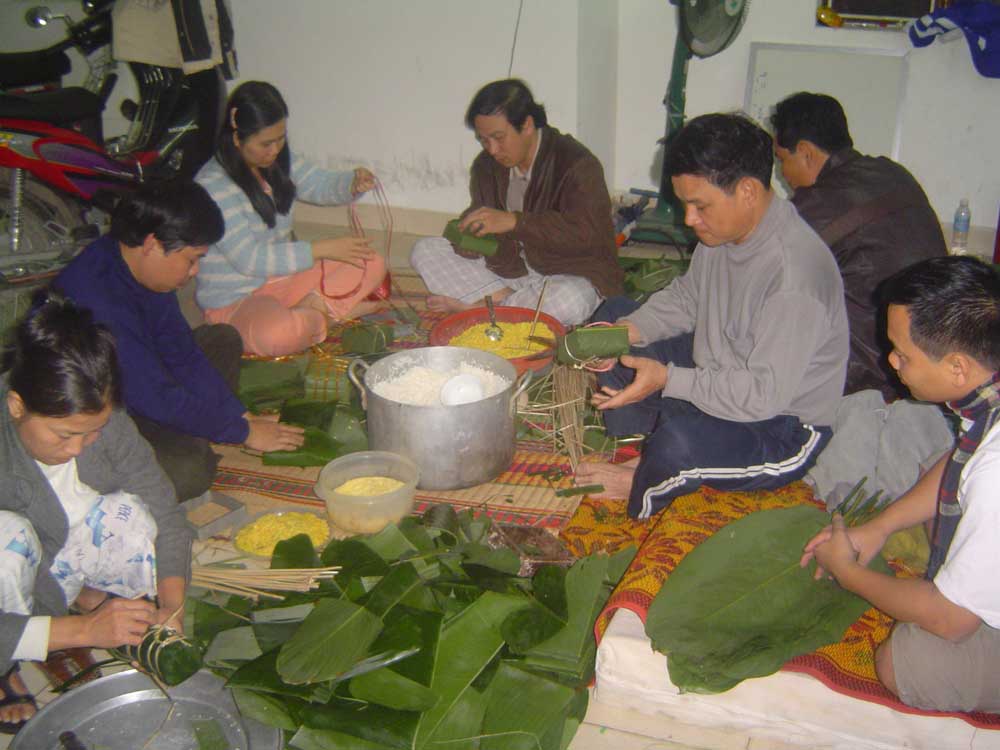 TếtVietnam's spring new year festival with flowers, family, and lucky customs
 Da LatVietnam’s highland city famous for flowers, cool climate, and French villas
 Cut flowersFresh flowers and buds trimmed for decoration and display
 ToranA festive hanging of flowers and leaves for Hindu doorways and celebrations
 Rose and Jasmine GardenA public garden in Islamabad with hundreds of rose and jasmine varieties
 Palm SundayChristian festival with palms or local branches marking Jesus’s entry into Jerusalem
Questions people ask about Calendula
Where does Calendula come from?
Calendula is native to the Mediterranean region, as well as Europe, North Africa, Macaronesia, West Asia, and the Western Himalayas. Its greatest diversity is found around the Mediterranean.
What is Calendula used for?
Calendula flowers are used as edible petals in food, as a natural dye, in ceremonies and rituals, and in herbal ointments for skin care. They have also been used in traditional medicine and as decorations in religious settings.
What does Calendula look like?
Calendula plants are herbaceous, with daisy-like flowers in shades of gold, yellow, or orange. The petals are edible and have a mildly sweet, slightly bitter taste.
Is Calendula the same as marigold?
Calendula is often called marigold, especially Calendula officinalis, but other unrelated plants also share the name marigold. Calendula is sometimes called pot-marigold to distinguish it.
Does Calendula have any cultural or religious significance?
Yes, Calendula flowers are sacred in India and are used to decorate Hindu deities. They are also linked to early Christian traditions and have been used in rituals since ancient times.
Good reading and sources
- Encyclopaedia BritannicaArticle
- USDA Plants DatabaseUS Department of Agriculture, Article
- Plants of the World OnlineRoyal Botanic Gardens, Kew, Plant database
- Where it has been recordedGBIF, Plant database
- Sightings and photos by naturalistsiNaturalist, Plant database
The facts on this page come from the Wikipedia article "Calendula", written by its contributors and used under the CC BY-SA 4.0 licence, and from its Wikidata record (CC0). Phool rewrote the text in its own words, with AI assistance, and compares every page with the article to make sure no passage is copied. It may be reused under the same CC BY-SA 4.0 licence with a link back.
It may contain mistakes. It is not medical or foraging advice: many flowers are poisonous, and traditional uses are reported, not recommended. If something is wrong, tell us. Last refreshed 2026-10-03.
Others in the family Asteraceae
The whole family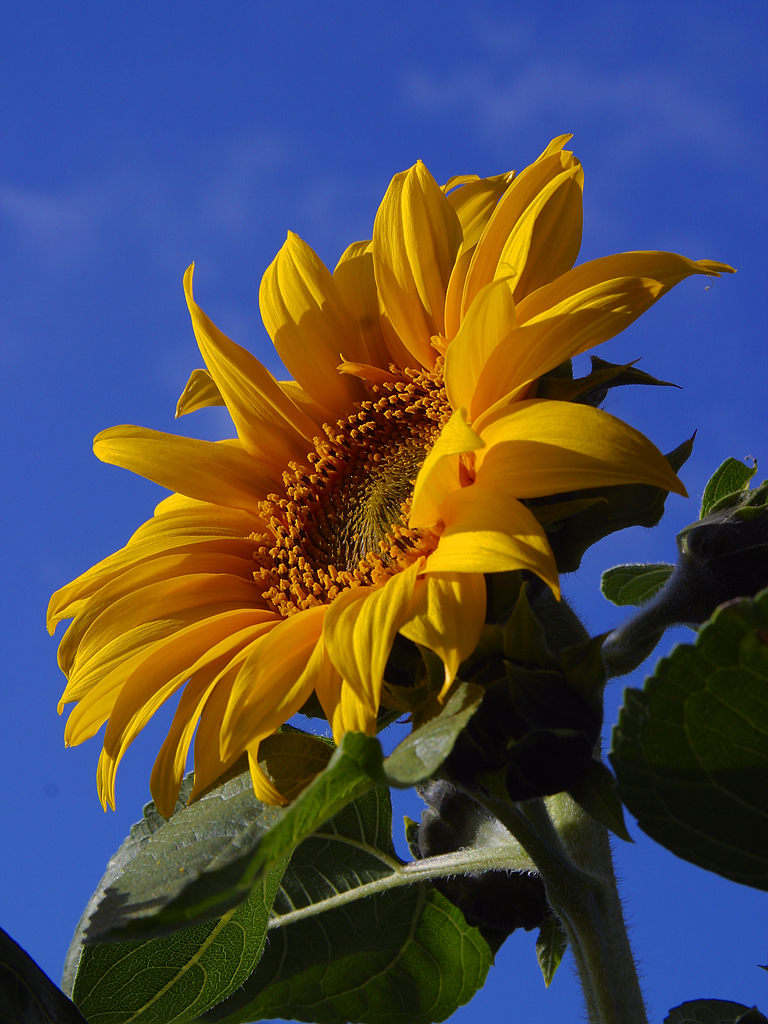 Common sunflowerHelianthus annuus
A tall annual plant grown for its large yellow flower heads and edible seeds
🇨🇦 Canada and 4 more · Wildflower
Common sunflowerHelianthus annuus
A tall annual plant grown for its large yellow flower heads and edible seeds
🇨🇦 Canada and 4 more · Wildflower
 Chrysanthemum菊花
Autumn-blooming flower with thousands of varieties, cherished in East Asia and beyond
🇨🇳 China and 6 more · Wildflower
Chrysanthemum菊花
Autumn-blooming flower with thousands of varieties, cherished in East Asia and beyond
🇨🇳 China and 6 more · Wildflower
 Asteraceae
The vast family of daisies, asters, and sunflowers with star-like flower heads
Asteraceae · Wildflower
Asteraceae
The vast family of daisies, asters, and sunflowers with star-like flower heads
Asteraceae · Wildflower
 DandelionTaraxacum
A yellow-flowered perennial found in fields, lawns, and gardens worldwide
Taraxacum · Wildflower
DandelionTaraxacum
A yellow-flowered perennial found in fields, lawns, and gardens worldwide
Taraxacum · Wildflower