
Palm Sunday
Christian festival with palms or local branches marking Jesus’s entry into Jerusalem
Palm Sunday is a Christian festival held the Sunday before Easter, recalling Jesus’s entry into Jerusalem. Churches distribute blessed palm fronds or local branches, which worshippers often carry in processions and later keep at home as a sign of blessing.
- Held on the Sunday before Easter each year
- Churches bless and hand out palm or local branches
- Branches are often kept at home as a blessing
- In cold climates, willow or box branches replace palms
- Marks the beginning of Holy Week for Christians
What is Palm Sunday?
Palm Sunday is observed in churches with the blessing and sharing of palm fronds or, where palms are not available, branches from local trees such as willow, olive, box, or yew. These branches are carried by worshippers in processions, sometimes woven into crosses, and are often taken home to be placed near religious images or kept in Bibles. The green branches are a symbol of honor and peace, recalling the way people greeted Jesus in Jerusalem.
Where does Palm Sunday come from?
The festival comes from the biblical story of Jesus entering Jerusalem, where crowds laid down palm branches and cloaks as a sign of respect. This event is described in all four Gospels. The palm branch was a symbol of victory and peace in the ancient world, and the custom of using local branches developed in regions where palms do not grow. Over time, the celebration became the opening of Holy Week in Christian tradition.
How Palm Sunday is made
On Palm Sunday, churches bless palm fronds or other branches, often with holy water, before distributing them to the congregation. In some places, people weave the branches into crosses or other shapes. In colder climates, branches from local trees are used instead of palms. The branches are carried in processions inside or outside the church, and then taken home as a keepsake.
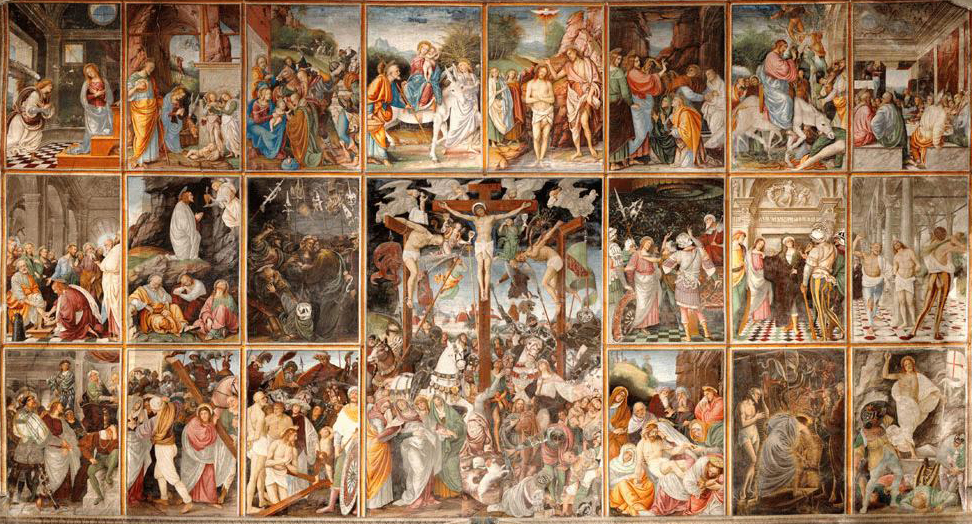


When and where Palm Sunday is used
Palm Sunday is marked by special church services and processions, where worshippers receive and carry branches. In some traditions, the branches are later collected and burned to make ashes for the following year’s Ash Wednesday. The blessed branches are often displayed at home as a sign of blessing and remembrance until the next year’s festival.
Forms of Palm Sunday
In Eastern Europe, willow branches are common, while in India, marigolds may be used to decorate the church. Churches in different countries have unique customs, such as children offering branches door to door in Belgium or the use of olive branches in Mediterranean regions. Some Orthodox churches distribute candles along with branches.
What Palm Sunday means
Palm Sunday is the start of Holy Week for Christians and is linked with themes of peace and victory. The palm branch, used in the celebration, has been a symbol of triumph since ancient times and is also seen in art and religious imagery. The day is associated with hymns, processions, and the blessing of homes with the branches received at church.
The flowers of Palm Sunday


Days and festivals
Questions people ask about Palm Sunday
What is Palm Sunday?
Palm Sunday is a Christian festival that remembers Jesus’s entry into Jerusalem, when crowds greeted him with palm branches. It is celebrated on the Sunday before Easter and marks the start of Holy Week.
Where did Palm Sunday originate?
The festival is based on events described in the Christian Gospels, where Jesus was welcomed into Jerusalem with palm branches. The tradition spread through Christian communities worldwide, adapting to local plants where palms are not available.
What do people do with the branches from Palm Sunday?
Worshippers often take the blessed branches home after church services. They may hang them near religious images, keep them in Bibles, or return them to church the next year to be burned for Ash Wednesday ashes.
Are palms always used for Palm Sunday?
No, in places where palms do not grow, churches use branches from local trees such as willow, olive, box, or yew. The important part is the symbolic act of carrying branches, not the specific plant.
What does Palm Sunday symbolize?
Palm Sunday represents peace, honor, and victory, recalling how Jesus was greeted as he entered Jerusalem. The palm branch itself has long been a symbol of triumph and is used in Christian art and worship.
Good reading and sources
The facts on this page come from the Wikipedia article "Palm Sunday", written by its contributors and used under the CC BY-SA 4.0 licence, and from its Wikidata record (CC0). Phool rewrote the text in its own words, with AI assistance, and compares every page with the article to make sure no passage is copied. It may be reused under the same CC BY-SA 4.0 licence with a link back.
It may contain mistakes. If something is wrong, tell us. Last refreshed 2026-10-03.
More of the same kind
 Decoration
Bonsai盆栽
The Japanese art of shaping miniature trees in shallow pots
🇯🇵 Japan and 7 more · Art or design
Decoration
Bonsai盆栽
The Japanese art of shaping miniature trees in shallow pots
🇯🇵 Japan and 7 more · Art or design
 Decoration
Tokonoma床の間
A Japanese alcove for displaying scrolls and flower arrangements
🇯🇵 Japan · Arrangement
Decoration
Tokonoma床の間
A Japanese alcove for displaying scrolls and flower arrangements
🇯🇵 Japan · Arrangement
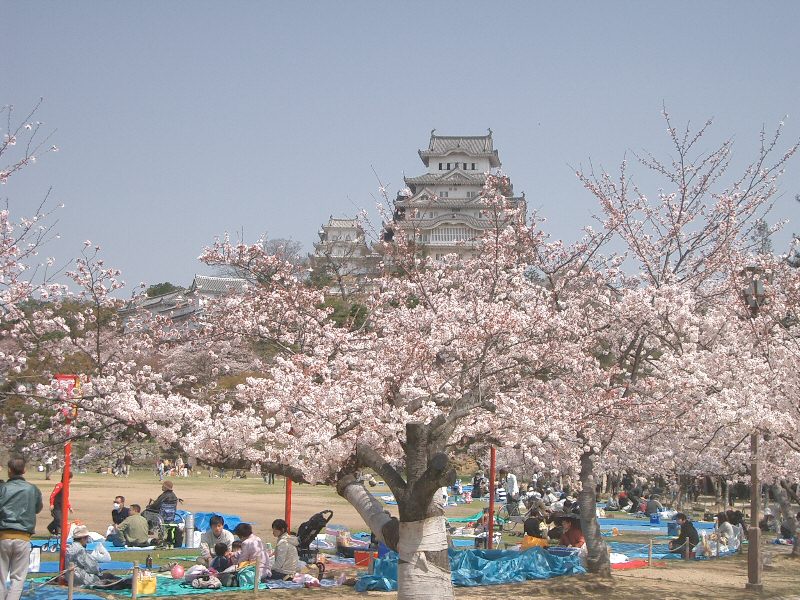 Decoration
Hanami花見
The Japanese tradition of gathering to enjoy cherry blossoms in spring
🇯🇵 Japan and 7 more · Custom, Jan to May
Decoration
Hanami花見
The Japanese tradition of gathering to enjoy cherry blossoms in spring
🇯🇵 Japan and 7 more · Custom, Jan to May
 Decoration
Sōgetsu草月流
A modern school of Japanese ikebana open to all materials and styles
🇯🇵 Japan · Arrangement
Decoration
Sōgetsu草月流
A modern school of Japanese ikebana open to all materials and styles
🇯🇵 Japan · Arrangement
More from India
All the flowers of India Decoration
Varamalaवरमाला
A flower garland exchanged by bride and groom in Hindu weddings
🇮🇳 India · Garland or wreath
Decoration
Varamalaवरमाला
A flower garland exchanged by bride and groom in Hindu weddings
🇮🇳 India · Garland or wreath
 Decoration
Rangoliरंगोली
Indian floor art made with coloured powders, rice, or petals for festivals and daily welcome
🇮🇳 India and 1 more · Carpet or floor pattern
Decoration
Rangoliरंगोली
Indian floor art made with coloured powders, rice, or petals for festivals and daily welcome
🇮🇳 India and 1 more · Carpet or floor pattern
 Decoration
Onam
Kerala’s ten-day harvest festival with flower carpets, feasts and boat races
🇮🇳 India and 1 more · Custom, Aug to Sep
Decoration
Onam
Kerala’s ten-day harvest festival with flower carpets, feasts and boat races
🇮🇳 India and 1 more · Custom, Aug to Sep
 Decoration
Garland
A string or braid of flowers, leaves, or other materials for decoration or ceremony
🇮🇳 India and 3 more · Garland or wreath
Decoration
Garland
A string or braid of flowers, leaves, or other materials for decoration or ceremony
🇮🇳 India and 3 more · Garland or wreath