
Prunus mume
The fragrant plum blossom tree that blooms in winter across East Asia
Prunus mume is a deciduous tree native to southern China, known for its fragrant white, pink, or red blossoms that appear in late winter. Its flowers and fruit are central to East Asian art, cuisine, and tradition, symbolizing endurance and hope, and are used for food, drink, and medicine.
- Blooms in late winter, often before snow has melted
- Flowers are white, pink, or red and strongly fragrant
- Fruit is used for pickles, sauces, drinks, and sweets
- Symbolizes endurance and hope in East Asian cultures
- Over 300 cultivars are grown in China
What does Prunus mume look like?
Prunus mume is a small to medium-sized deciduous tree, reaching 4 to 10 meters tall. Its blossoms, 2 to 2.5 cm wide, appear in mid-winter before the leaves and are strongly scented. The flowers range from white to deep pink or red, often covering bare branches. After flowering, oval, pointed leaves emerge, followed by yellow or yellow-red fruit in early summer. The tree is admired for both its floral display and its aromatic presence.
Where does Prunus mume come from?
This species originated in the Yangtze River region of southern China, where it grew wild on forested slopes, by streams, and in mountain areas up to 3,100 meters. It was first cultivated in China for its beauty and fruit, then spread to Korea, Vietnam, and Japan. Over centuries, it became deeply rooted in East Asian gardens and traditions, with many local names and varieties reflecting its cultural journey.
When and how Prunus mume blooms
Prunus mume flowers in the cold months, typically January and February in East Asia. It thrives in temperate climates and is grown from seed or grafted onto rootstock. The tree is planted in gardens, parks, and temple grounds, and cut branches are often used for indoor decoration. Its fruit ripens in early summer, coinciding with the rainy season, and is harvested for culinary and medicinal uses.


How Prunus mume is used
The tree's blossoms are celebrated in art, poetry, and festivals, especially during the spring festival. Its fruit is used across East Asia in drinks, sauces, pickles, and sweets. In China, it flavors sour plum juice and sauces; in Japan, it is made into umeboshi and umeshu; in Korea, both flowers and fruit are used for teas and pancakes. The fruit is also valued in traditional Chinese medicine.
Kinds of Prunus mume
There are over 300 cultivars in China, grouped by branch and flower traits, including upright, pendulous, and tortuous forms. Japanese types are classified as yabai (wild), hibai (red), and bungo (fruiting hybrids). Each group offers a range of flower colors and forms, from single to double petals, and some are grown mainly for fruit, others for ornamental value.
What Prunus mume means
The plum blossom is a cherished symbol in China, representing perseverance, hope, and renewal, as it blooms in winter's cold. It is one of the 'Three Friends of Winter' and the 'Four Gentlemen' in Chinese art. The flower features in poetry, painting, and seasonal celebrations across China, Japan, Korea, and Vietnam, and is closely linked to ideas of virtue and resilience.
Where Prunus mume is used and seen
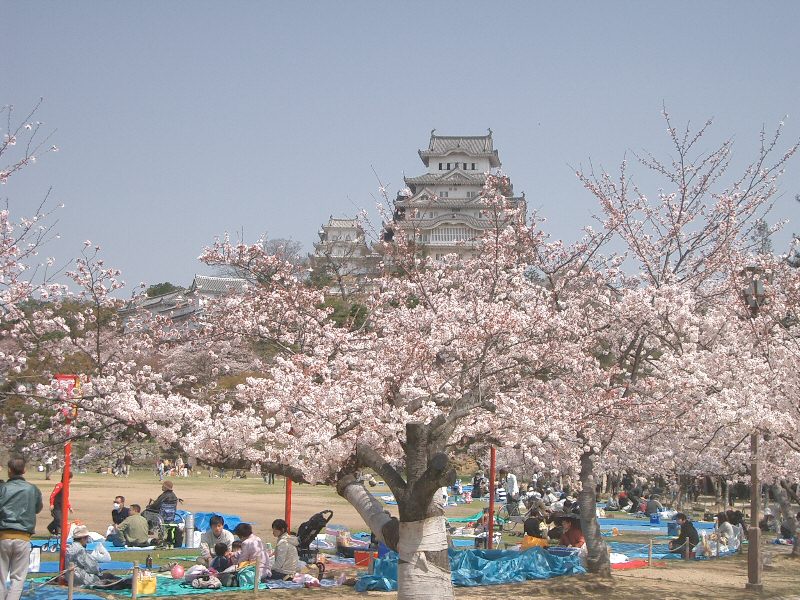 HanamiThe Japanese tradition of gathering to enjoy cherry blossoms in spring
 Korean gardenA natural garden style shaped by rocks, ponds, and harmony with the land
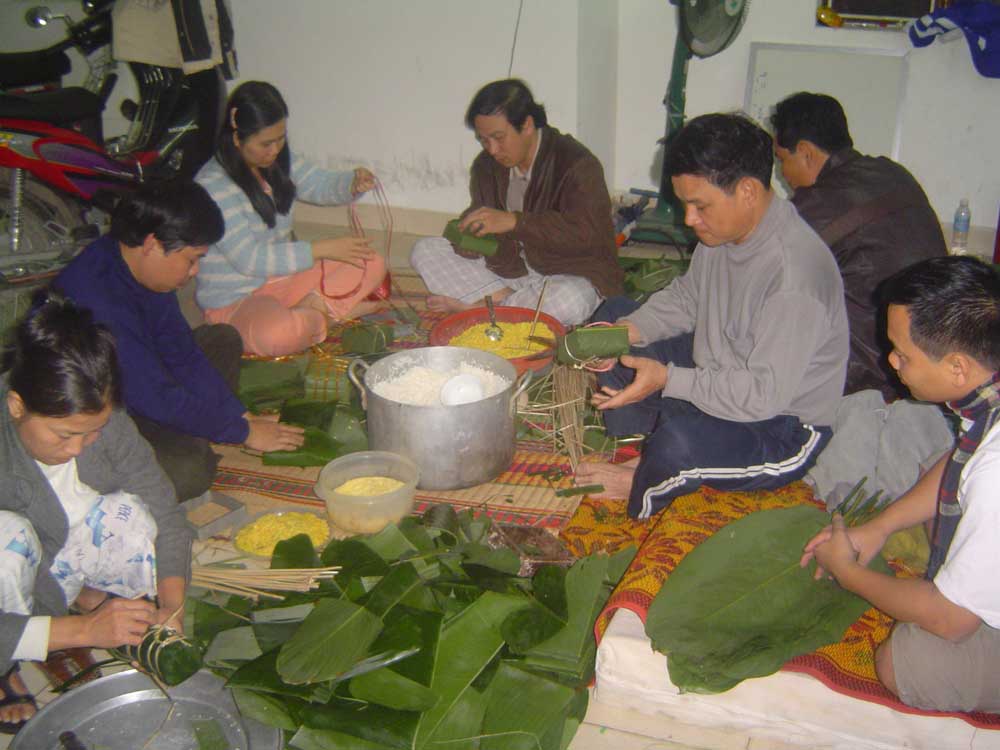 TếtVietnam's spring new year festival with flowers, family, and lucky customs
 ChabanaSimple flower arrangements for the Japanese tea ceremony
 KanzashiTraditional Japanese hair ornaments, often crafted as folded silk flowers
 HanafudaJapanese playing cards with flower designs used for traditional games
 Eastwoodhill ArboretumNew Zealand’s national arboretum with thousands of trees from around the world
 Jindai Botanical GardenTokyo’s first botanical garden, with themed plant zones and a large greenhouse
Traditions that use it
Where to see Prunus mume
 🇯🇵 Tokyo · Feb to NovShinjuku Gyoen through the seasonsA large former imperial garden in central Tokyo with a long cherry season and an autumn chrysanthemum show.
 🇯🇵 Kanazawa · All yearKenroku-enOne of Japan's most celebrated landscape gardens, with something in flower in almost every season.
 🇯🇵 Kyoto · All yearAn ikebana lesson in KyotoLearn the basics of Japanese flower arranging in the city where the art took shape.
 🇨🇳 Suzhou · Mar to OctClassical gardens of SuzhouScholar gardens of rock, water and pavilions, where each season has its chosen flower.
Questions people ask about Prunus mume
Where does Prunus mume come from?
Prunus mume is native to southern China, especially the Yangtze River region, and later spread to Korea, Vietnam, and Japan, where it is widely grown and celebrated.
What does the plum blossom symbolize?
The plum blossom stands for perseverance, hope, and renewal, as it blooms in the cold of winter. It is also a symbol of beauty and purity in Chinese art and literature.
What do people use Prunus mume for?
Its flowers are admired in gardens and art, while the fruit is used in drinks, sauces, pickles, and sweets throughout East Asia. The fruit is also used in traditional Chinese medicine.
When does Prunus mume flower?
It usually flowers in mid-winter, from January to February in East Asia, often before the leaves appear.
How many varieties of Prunus mume exist?
China alone has over 300 recorded cultivars, with different flower colors, shapes, and growth habits. Japan also has several main types, including those grown for fruit and for ornamental use.
Good reading and sources
- Plants of the World OnlineRoyal Botanic Gardens, Kew, Plant database
- Where it has been recordedGBIF, Plant database
- Sightings and photos by naturalistsiNaturalist, Plant database
The facts on this page come from the Wikipedia article "Prunus mume", written by its contributors and used under the CC BY-SA 4.0 licence, and from its Wikidata record (CC0). Phool rewrote the text in its own words, with AI assistance, and compares every page with the article to make sure no passage is copied. It may be reused under the same CC BY-SA 4.0 licence with a link back.
It may contain mistakes. It is not medical or foraging advice: many flowers are poisonous, and traditional uses are reported, not recommended. If something is wrong, tell us. Last refreshed 2026-10-03.
Others in the family Rosaceae
The whole family RoseRosa
Woody perennial plants with showy, often fragrant flowers in many colours
Rosa · Wildflower
RoseRosa
Woody perennial plants with showy, often fragrant flowers in many colours
Rosa · Wildflower
 AlmondPrunus amygdalus
A Mediterranean tree grown for its fragrant spring flowers and edible seeds
🇮🇷 Iran and 6 more · Flowering tree
AlmondPrunus amygdalus
A Mediterranean tree grown for its fragrant spring flowers and edible seeds
🇮🇷 Iran and 6 more · Flowering tree
 ApricotPrunus armeniaca
A small fruit tree with early white to pink blossoms and golden-orange fruit
🇨🇳 China and 6 more · Flowering tree
ApricotPrunus armeniaca
A small fruit tree with early white to pink blossoms and golden-orange fruit
🇨🇳 China and 6 more · Flowering tree
 Wild cherryPrunus avium
A tall flowering tree native to Europe, grown for its sweet fruit and spring blossom
🇮🇹 Italy and 6 more · Flowering tree
Wild cherryPrunus avium
A tall flowering tree native to Europe, grown for its sweet fruit and spring blossom
🇮🇹 Italy and 6 more · Flowering tree
More from China
All the flowers of China PeachPrunus persica
A flowering fruit tree from China, grown for its pink blossoms and sweet fruit
🇨🇳 China and 7 more · Flowering tree
PeachPrunus persica
A flowering fruit tree from China, grown for its pink blossoms and sweet fruit
🇨🇳 China and 7 more · Flowering tree
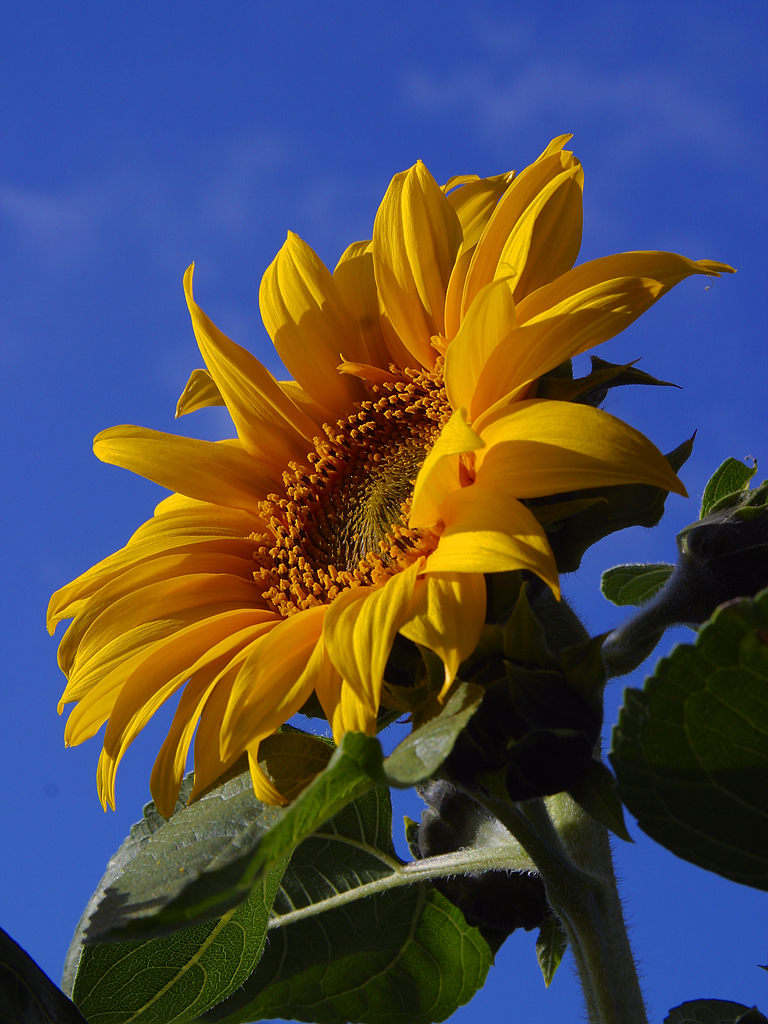 Common sunflowerHelianthus annuus
A tall annual plant grown for its large yellow flower heads and edible seeds
🇨🇦 Canada and 4 more · Wildflower
Common sunflowerHelianthus annuus
A tall annual plant grown for its large yellow flower heads and edible seeds
🇨🇦 Canada and 4 more · Wildflower
 PomegranatePunica granatum
A shrub with bright red flowers and a fruit full of edible seeds
🇮🇷 Iran and 9 more · Flowering shrub
PomegranatePunica granatum
A shrub with bright red flowers and a fruit full of edible seeds
🇮🇷 Iran and 9 more · Flowering shrub
 BirchBetula
Slender trees with papery bark found across the northern world
🇨🇳 China and 7 more · Wildflower
BirchBetula
Slender trees with papery bark found across the northern world
🇨🇳 China and 7 more · Wildflower