
Jāņi
Latvia’s midsummer festival with wreaths, bonfires, and solstice songs
Jāņi is Latvia’s annual summer solstice festival, held on June 23 and 24. People gather in the countryside to decorate with flowers and birch, weave wreaths, light bonfires, and sing traditional songs through the night. The celebration marks renewal, fertility, and the longest day of the year.
- Flower and oak wreaths are woven and worn on the head
- Bonfires burn all night to mark the solstice
- Herbs and greenery decorate homes and gates
- Traditional songs are sung until sunrise
- Searching for the mythical fern flower is part of the night
What is Jāņi?
Jāņi is a Latvian midsummer festival known for its flower and oak leaf wreaths, birch and oak decorations, and large bonfires. People decorate homes and gates with greenery, hang herbs to protect against evil, and weave circular wreaths to wear on their heads. The festival is filled with singing, dancing, and sharing traditional foods like cheese and beer. Wreaths for women are made from flowers and grasses, while men wear oak leaf wreaths.
Where does Jāņi come from?
Jāņi has roots in pre-Christian Latvian traditions celebrating the summer solstice and renewal. The name comes from the Latvian name Jānis and is linked to the passage of seasons. Written records date back to the 16th century, describing bonfires and festivities. Over time, Jāņi blended ancient customs with newer elements, such as the introduction of fireworks in the 18th century and the establishment of flower markets in Riga. After Latvia’s independence, Jāņi became a national holiday.
How Jāņi is made
Preparations involve gathering wildflowers, grasses, and tree branches, especially birch and oak, to decorate homes and make wreaths. Women and girls braid flower wreaths, while men make oak leaf crowns. Bonfires are built on high ground and lit at sunset, burning through the night. Herbs are collected at noon or on Jāņi Eve, sometimes used for tea or dried for later use. Thistles and nettles are hung to ward off evil spirits.

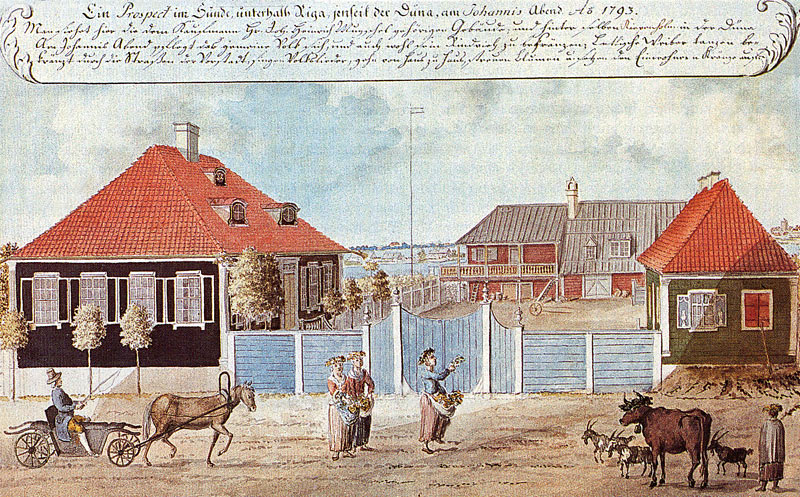


When and where Jāņi is used
Jāņi is celebrated by Latvians in the countryside and cities, as well as in diaspora communities. People gather to sing traditional songs, leap over bonfires for luck, and share cheese and beer. Wreaths are worn throughout the night, and herbs are used for decoration and believed protection. The festival is a time for renewal, social visits, and marking the turning point of the year.
Forms of Jāņi
While the core customs remain, regions may favor different plants for wreaths or decorations. In Riga, flower markets and fireworks became part of the tradition. The search for the mythical fern flower is a widespread custom, symbolizing luck and happiness. Similar solstice festivals are held in neighboring countries, but Jāņi’s specific blend of wreath-making, bonfires, and songs is distinctively Latvian.
What Jāņi means
Jāņi symbolizes the sun, fertility, and renewal. Wreaths and bonfires are key symbols, believed to bring health and protect against evil. The festival is deeply tied to Latvian identity and folklore, with songs and rituals passed down generations. Searching for the fern flower is a legendary part of the night. Jāņi is a public holiday and a major cultural event in Latvia.
The flowers of Jāņi


Days and festivals
Questions people ask about Jāņi
Where does Jāņi come from?
Jāņi has ancient roots in Latvian pre-Christian solstice traditions. Written records from the 16th century describe bonfires and celebrations marking the summer solstice. Over time, it became a national holiday blending old and new customs.
What flowers and plants are used in Jāņi decorations?
People use wildflowers like bedstraw, cow wheat, vetchling, and clover, as well as birch, oak, rowan, and linden branches. Wreaths for women are made from flowers and grasses, while men wear oak leaf crowns.
What do people do during Jāņi?
People gather in the countryside, decorate with greenery, weave and wear wreaths, light bonfires, sing traditional songs, and share cheese and beer. Rituals include leaping over bonfires and searching for the mythical fern flower.
What does Jāņi symbolize?
Jāņi represents the sun, renewal, and fertility. Wreaths and bonfires are believed to bring health, luck, and protection, while the search for the fern flower symbolizes happiness and the fulfillment of wishes.
Where is Jāņi celebrated?
Jāņi is celebrated throughout Latvia and in Latvian communities abroad, including in Canada, Argentina, Australia, and the United States.
Good reading and sources
The facts on this page come from the Wikipedia article "Jāņi", written by its contributors and used under the CC BY-SA 4.0 licence, and from its Wikidata record (CC0). Phool rewrote the text in its own words, with AI assistance, and compares every page with the article to make sure no passage is copied. It may be reused under the same CC BY-SA 4.0 licence with a link back.
It may contain mistakes. If something is wrong, tell us. Last refreshed 2026-10-03.
More of the same kind
 Decoration
Bonsai盆栽
The Japanese art of shaping miniature trees in shallow pots
🇯🇵 Japan and 7 more · Art or design
Decoration
Bonsai盆栽
The Japanese art of shaping miniature trees in shallow pots
🇯🇵 Japan and 7 more · Art or design
 Decoration
Tokonoma床の間
A Japanese alcove for displaying scrolls and flower arrangements
🇯🇵 Japan · Arrangement
Decoration
Tokonoma床の間
A Japanese alcove for displaying scrolls and flower arrangements
🇯🇵 Japan · Arrangement
 Decoration
Hanami花見
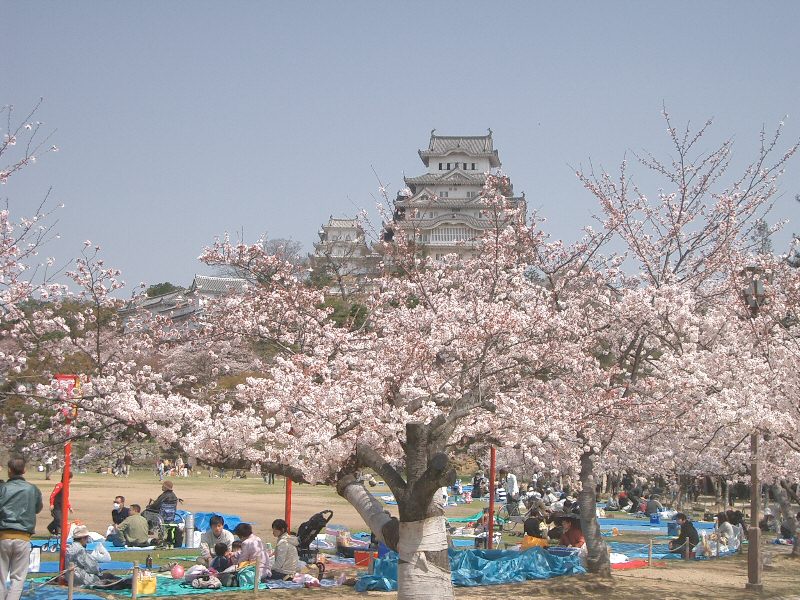
The Japanese tradition of gathering to enjoy cherry blossoms in spring
🇯🇵 Japan and 7 more · Custom, Jan to May
Decoration
Hanami花見
The Japanese tradition of gathering to enjoy cherry blossoms in spring
🇯🇵 Japan and 7 more · Custom, Jan to May
 Decoration
Sōgetsu草月流
A modern school of Japanese ikebana open to all materials and styles
🇯🇵 Japan · Arrangement
Decoration
Sōgetsu草月流
A modern school of Japanese ikebana open to all materials and styles
🇯🇵 Japan · Arrangement
More from Latvia
All the flowers of Latvia Decoration
Fern flower
A mythical flower from Baltic and Slavic midsummer traditions
🇪🇪 Estonia and 7 more · Custom, Jun to Jul
Decoration
Fern flower
A mythical flower from Baltic and Slavic midsummer traditions
🇪🇪 Estonia and 7 more · Custom, Jun to Jul
 Decoration
MidsummerMidsommar
Europe’s summer solstice festival with bonfires, flowers and outdoor gatherings
🇸🇪 Sweden and 5 more · Custom, June
Decoration
MidsummerMidsommar
Europe’s summer solstice festival with bonfires, flowers and outdoor gatherings
🇸🇪 Sweden and 5 more · Custom, June
 Decoration
Christmas tree
A decorated evergreen tree displayed for Christmas in homes and public places
🇩🇪 Germany and 7 more · Arrangement, December
Decoration
Christmas tree
A decorated evergreen tree displayed for Christmas in homes and public places
🇩🇪 Germany and 7 more · Arrangement, December
 Pedunculate oakQuercus robur
A towering oak tree with stalked acorns, native to Europe and western Asia
🇷🇸 Serbia and 8 more · Flowering tree
Pedunculate oakQuercus robur
A towering oak tree with stalked acorns, native to Europe and western Asia
🇷🇸 Serbia and 8 more · Flowering tree