![Silver Lime [Linden], Tilia tomentosa , Morton Arboretum acc. 1040-65*2](https://thumb.wikimedia.org/wikipedia/commons/thumb/8/8d/Tilia_tomentosa.jpg/1280px-Tilia_tomentosa.jpg)
Linden
Tilia, family Malvaceae
Tall, broad-leaved trees with fragrant yellow flowers and heart-shaped leaves
Linden (Tilia) is a group of about 30 species of large, deciduous trees found across the temperate Northern Hemisphere. Known for their heart-shaped leaves and clusters of small, sweet-scented yellow flowers, lindens are valued for shade, honey production, wood carving, and herbal teas.
- Linden trees have heart-shaped leaves and sweet-smelling yellow flowers.
- Their flowers are a major source for high-quality honey, especially in China.
- The soft wood is favored for carving and making musical instruments.
- Linden flower tea is popular in Europe and China.
- Historic gardens often feature avenues of linden trees for shade.
What does Linden look like?
Linden trees are usually tall, reaching 20 to 40 meters, with a stout trunk and pale grey to brownish-grey bark that becomes rough with age. Their leaves are heart-shaped, often with toothed edges, and can be up to 20 cm across. The small flowers are yellow to greenish-yellow, strongly fragrant, and grow in clusters. Each flower has five petals and attracts bees. The fruit is tiny, round, and attached to a ribbon-like bract that helps it drift in the wind.
Where does Linden come from?
Tilia species grow wild throughout the temperate regions of Asia, Europe, and eastern North America, with the most diversity in Asia. The name 'lime' comes from Old English and is unrelated to the citrus fruit. Linden trees have long been planted in rows for shade in gardens and along streets, especially in Europe and China. The genus is now placed in the Malvaceae family after genetic studies.
When and how Linden blooms
Linden trees bloom in summer, producing clusters of fragrant flowers that are pollinated by insects. They grow best in rich soil and can be propagated by cuttings, grafting, or fresh seed. The trees are fast-growing but can be affected by insects. Their wood is soft and easy to carve, and the inner bark yields strong fibers used for weaving and rope.


How Linden is used
Linden is popular as a shade and ornamental tree in parks and avenues. The flowers are harvested for herbal teas in Europe and China, and are important for honey production, especially in China’s Heilongjiang region. The wood is valued for carving and musical instruments, while the inner bark has been used for making ropes and traditional clothing. Linden avenues were fashionable in English and European gardens.
Kinds of Linden
There are about 30 species, with hybrids and cultivars such as Tilia × europaea (common lime) and Tilia 'Flavescens' (Glenleven linden). American and European species differ slightly in flower structure. Some species like Tilia mongolica have lobed leaves, while others like Tilia platyphyllos have ribbed fruit. Many cultivars are grown for their shape or shade.
What Linden means
Linden trees are symbols of shade and community in many cultures. In China, linden honey is prized and Heilongjiang is famous for its production. In Europe, linden avenues are a feature of historic gardens. The wood has been used for sculpture and instruments since the Middle Ages. Linden flower tea is a traditional beverage in several countries.
Where Linden is used and seen


Questions people ask about Linden
Where do linden trees come from?
Linden trees (Tilia) are native to the temperate regions of Asia, Europe, and eastern North America, with the greatest variety found in Asia.
What do linden flowers look and smell like?
Linden flowers are small, yellow to greenish-yellow, and grow in clusters. They have a strong, sweet fragrance that attracts bees.
How are linden trees used by people?
Linden trees are planted for shade and beauty, their flowers are used for tea and honey, the wood is carved into art and instruments, and the inner bark provides fiber for weaving.
What does the linden tree symbolize?
Linden trees are often seen as symbols of shade, community, and tradition in Europe and China, and are featured in historic gardens and avenues.
Is linden related to the lime citrus fruit?
No, the linden tree called 'lime' in Britain is not related to the citrus lime; the name comes from Old English and refers to the tree's wood and leaves.
Good reading and sources
- Encyclopaedia BritannicaArticle
- USDA Plants DatabaseUS Department of Agriculture, Article
- Plants of the World OnlineRoyal Botanic Gardens, Kew, Plant database
- Where it has been recordedGBIF, Plant database
- Sightings and photos by naturalistsiNaturalist, Plant database
The facts on this page come from the Wikipedia article "Tilia", written by its contributors and used under the CC BY-SA 4.0 licence, and from its Wikidata record (CC0). Phool rewrote the text in its own words, with AI assistance, and compares every page with the article to make sure no passage is copied. It may be reused under the same CC BY-SA 4.0 licence with a link back.
It may contain mistakes. It is not medical or foraging advice: many flowers are poisonous, and traditional uses are reported, not recommended. If something is wrong, tell us. Last refreshed 2026-10-03.
Others in the family Malvaceae
The whole family Hibiscus
A tropical genus with large, colourful trumpet-shaped flowers
🇮🇳 India and 7 more · Wildflower
Hibiscus
A tropical genus with large, colourful trumpet-shaped flowers
🇮🇳 India and 7 more · Wildflower
 MallowMalva
Edible and ornamental flowering plants with pink, purple or white blooms
🇮🇳 India and 6 more · Wildflower
MallowMalva
Edible and ornamental flowering plants with pink, purple or white blooms
🇮🇳 India and 6 more · Wildflower
 Small-leaved LimeTilia cordata
A tall, fragrant-flowered tree native to much of Europe
🇨🇿 Czech Republic and 6 more · Flowering tree
Small-leaved LimeTilia cordata
A tall, fragrant-flowered tree native to much of Europe
🇨🇿 Czech Republic and 6 more · Flowering tree
 Indian mallowAbutilon
A group of tropical and subtropical flowering plants called Indian mallow or velvetleaf
Abutilon · Wildflower
Indian mallowAbutilon
A group of tropical and subtropical flowering plants called Indian mallow or velvetleaf
Abutilon · Wildflower
More from China
All the flowers of China PeachPrunus persica
A flowering fruit tree from China, grown for its pink blossoms and sweet fruit
🇨🇳 China and 7 more · Flowering tree
PeachPrunus persica
A flowering fruit tree from China, grown for its pink blossoms and sweet fruit
🇨🇳 China and 7 more · Flowering tree
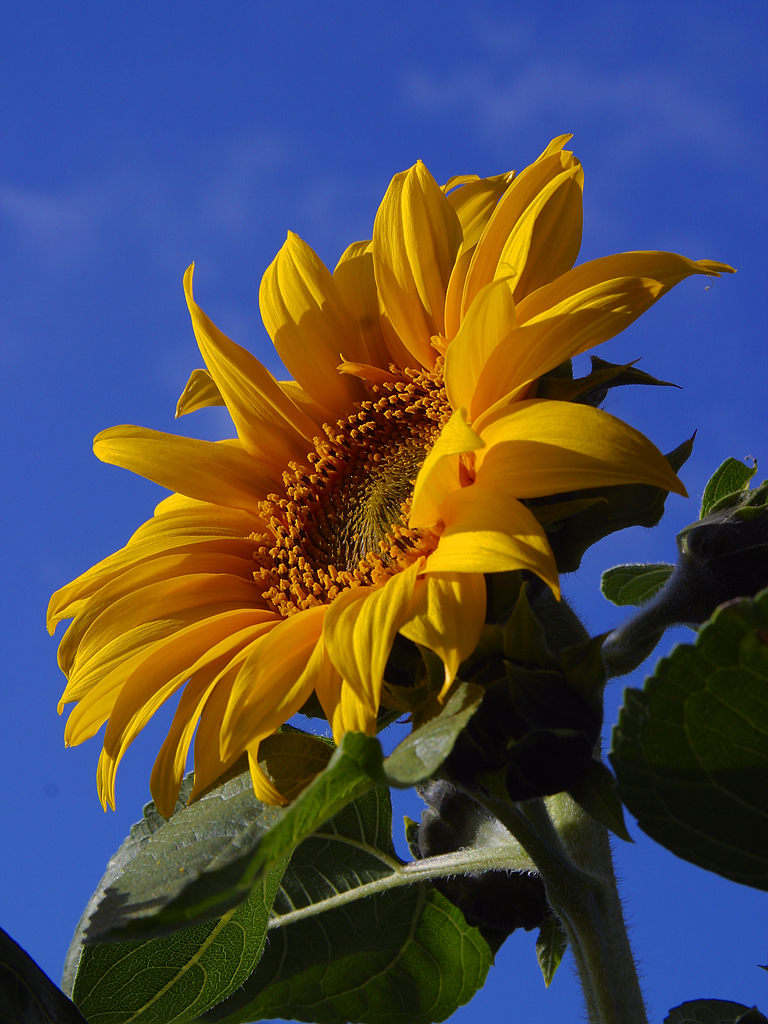 Common sunflowerHelianthus annuus
A tall annual plant grown for its large yellow flower heads and edible seeds
🇨🇦 Canada and 4 more · Wildflower
Common sunflowerHelianthus annuus
A tall annual plant grown for its large yellow flower heads and edible seeds
🇨🇦 Canada and 4 more · Wildflower
 PomegranatePunica granatum
A shrub with bright red flowers and a fruit full of edible seeds
🇮🇷 Iran and 9 more · Flowering shrub
PomegranatePunica granatum
A shrub with bright red flowers and a fruit full of edible seeds
🇮🇷 Iran and 9 more · Flowering shrub
 BirchBetula
Slender trees with papery bark found across the northern world
🇨🇳 China and 7 more · Wildflower
BirchBetula
Slender trees with papery bark found across the northern world
🇨🇳 China and 7 more · Wildflower