
Fern flower
A mythical flower from Baltic and Slavic midsummer traditions
The fern flower is a legendary bloom in Baltic, Estonian, and Slavic folklore, said to appear only for a brief moment on midsummer night. People believe that finding it brings happiness, wealth, or even the ability to understand animals, but it is also thought to be guarded by spirits and to bring misfortune.
- Said to bloom only on midsummer night
- Finding it is believed to bring fortune or happiness
- Central to solstice celebrations in Baltic and Slavic cultures
- In Ukraine, called Chervona Ruta and said to turn red for one night
- Adder’s tongue fern was once thought to be the magical flower in Poland
What is Fern flower?
The fern flower is not a real plant, but a figure from myth. It is imagined as a rare blossom that appears only for a moment on the night of the summer solstice. In stories, it is often described as glowing or brightly colored, sometimes yellow or red. The flower is said to be hidden deep in the woods and fiercely protected by supernatural forces. People in Baltic and Slavic regions speak of searching for it as part of midsummer celebrations.
Where does Fern flower come from?
This legend comes from the Baltic, Estonian, and Slavic regions of Europe. The story likely began before Christianity, tied to ancient solstice rituals. Over time, it became part of midsummer festivities in countries like Latvia, Lithuania, Estonia, Poland, Belarus, Ukraine, Finland, and Sweden. The myth may have started when people mistook certain ferns or fern-like plants for flowering at night, or when they saw clusters of spores that looked like flowers.
How Fern flower is made
There is no real fern flower to find, but the tradition involves young people, especially couples, going into the forest on midsummer night to 'search' for it. This quest is often a symbolic or playful act, sometimes seen as a way for couples to spend time together. In some places, girls wear wreaths and if their partner returns wearing the wreath, it means they are engaged.
When and where Fern flower is used
The fern flower is central to midsummer customs in the Baltic and Slavic world. People gather on the night of the solstice, telling stories and sometimes acting out the search for the flower. The legend is also linked to wishes for luck, wealth, or love. In Poland, a real fern called adder’s tongue was sometimes thought to be the magical flower and used in love charms.
Forms of Fern flower
In Ukraine, the flower is called Chervona Ruta and is said to turn red for one night. In Poland, adder’s tongue fern was believed to be the magical plant. In Sweden, the story is similar but includes other rare flowers. Across regions, the details change, but the core idea of a magical, hard-to-find flower remains.
What Fern flower means
The fern flower is a symbol of mystery, luck, and sometimes fertility. In Baltic countries, the search for the flower is a euphemism for young couples spending time together, and a child conceived that night might be called the fern flower. The legend is still part of midsummer festivals and is referenced in modern organizations and literature.
Days and festivals
Questions people ask about Fern flower
Is the fern flower a real plant?
No, the fern flower is a mythical flower from Baltic and Slavic folklore. Ferns do not produce flowers, but the legend imagines a magical bloom that appears only on midsummer night.
Where does the fern flower legend come from?
The story is found in the Baltic, Estonian, and Slavic regions, including countries like Latvia, Lithuania, Estonia, Poland, Belarus, Ukraine, Finland, and Sweden. It is tied to ancient midsummer celebrations.
What does the fern flower symbolize?
It stands for luck, happiness, and sometimes fertility. In some traditions, finding the flower is said to bring wealth or the ability to understand animals, but it can also bring misfortune.
How is the fern flower used in celebrations?
During midsummer festivals, people, especially young couples, take part in playful searches for the fern flower. In some places, girls wear wreaths and couples use the tradition as a sign of engagement.
Are there real plants linked to the fern flower myth?
Yes, in Poland, the adder’s tongue fern was believed to be the magical flower. Some ferns have spore clusters that look like flowers, which may have inspired the legend.
Good reading and sources
The facts on this page come from the Wikipedia article "Fern flower", written by its contributors and used under the CC BY-SA 4.0 licence, and from its Wikidata record (CC0). EveryPhool rewrote the text in its own words, with AI assistance, and compares every page with the article to make sure no passage is copied. It may be reused under the same CC BY-SA 4.0 licence with a link back.
It may contain mistakes. If something is wrong, tell us. Last refreshed 2026-10-03.
More of the same kind
 Decoration
Bonsai盆栽
The Japanese art of shaping miniature trees in shallow pots
🇯🇵 Japan and 7 more · Art or design
Decoration
Bonsai盆栽
The Japanese art of shaping miniature trees in shallow pots
🇯🇵 Japan and 7 more · Art or design
 Decoration
Tokonoma床の間
A Japanese alcove for displaying scrolls and flower arrangements
🇯🇵 Japan · Arrangement
Decoration
Tokonoma床の間
A Japanese alcove for displaying scrolls and flower arrangements
🇯🇵 Japan · Arrangement
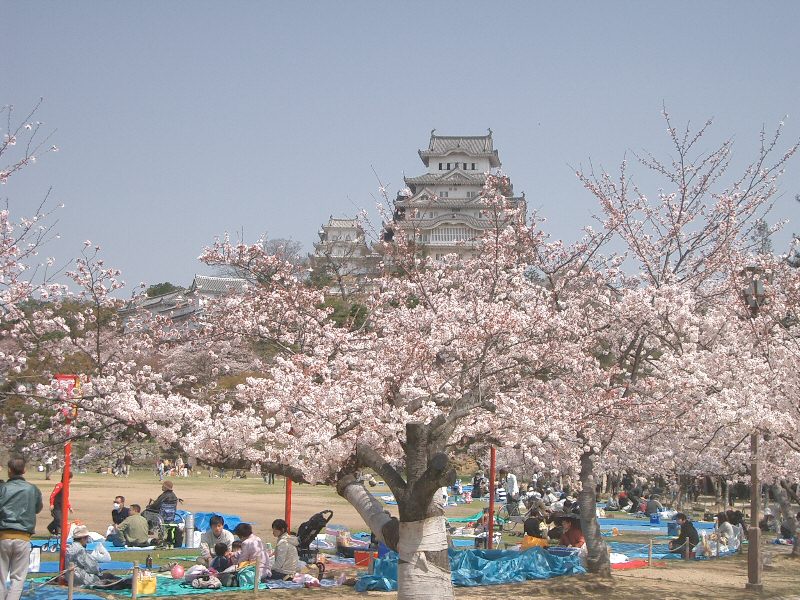 Decoration
Hanami花見
The Japanese tradition of gathering to enjoy cherry blossoms in spring
🇯🇵 Japan and 7 more · Custom, Jan to May
Decoration
Hanami花見
The Japanese tradition of gathering to enjoy cherry blossoms in spring
🇯🇵 Japan and 7 more · Custom, Jan to May
 Decoration
Sōgetsu草月流
A modern school of Japanese ikebana open to all materials and styles
🇯🇵 Japan · Arrangement
Decoration
Sōgetsu草月流
A modern school of Japanese ikebana open to all materials and styles
🇯🇵 Japan · Arrangement
More from Estonia
All the flowers of Estonia Decoration
Christmas tree
A decorated evergreen tree displayed for Christmas in homes and public places
🇩🇪 Germany and 7 more · Arrangement, December
Decoration
Christmas tree
A decorated evergreen tree displayed for Christmas in homes and public places
🇩🇪 Germany and 7 more · Arrangement, December
 Decoration
MidsummerMidsommar
Europe’s summer solstice festival with bonfires, flowers and outdoor gatherings
🇸🇪 Sweden and 5 more · Custom, June
Decoration
MidsummerMidsommar
Europe’s summer solstice festival with bonfires, flowers and outdoor gatherings
🇸🇪 Sweden and 5 more · Custom, June
 Sea kaleCrambe maritima
Salt-loving coastal plant with edible white-flowered shoots
🇬🇧 United Kingdom and 7 more · Wildflower
Sea kaleCrambe maritima
Salt-loving coastal plant with edible white-flowered shoots
🇬🇧 United Kingdom and 7 more · Wildflower
 Mountain arnicaArnica montana
A yellow-flowered herb from Europe's uplands, used in herbal traditions
🇫🇷 France and 7 more · Wildflower
Mountain arnicaArnica montana
A yellow-flowered herb from Europe's uplands, used in herbal traditions
🇫🇷 France and 7 more · Wildflower