
Mountain arnica
Arnica montana, family Asteraceae
A yellow-flowered herb from Europe's uplands, used in herbal traditions
Mountain arnica is a perennial herb with bright yellow flower heads, native to upland meadows across much of Europe. It has a long history in herbal medicine but is considered moderately toxic and is now rare in the wild, with cultivation mainly in Estonia, France, and Romania.
- Grows in upland meadows across central and western Europe
- Bright yellow flower heads appear from May to August
- Toxic if eaten or applied to broken skin
- Protected in several European countries due to rarity
- Used in herbal medicine, but effectiveness is unproven
What does Mountain arnica look like?
Mountain arnica is a perennial herb that grows between 18 and 60 cm tall. Its leaves form a ground-level rosette, with green, rounded, and slightly downy blades. The plant sends up stems topped with a single, showy flower head, about 5 cm across, made up of a ring of yellow ray florets around a central orange-yellow disc. The flowers have a light scent. After flowering, it produces rough, one-part seeds that open in dry weather.
Where does Mountain arnica come from?
This plant is native to the uplands and mountains of central and western Europe, thriving in nutrient-poor, acidic meadows and heaths, sometimes up to 3,000 meters. It avoids lime-rich soils and is not found in the British Isles or the Italian and Balkan peninsulas. The species was named by Carl Linnaeus in 1753. Two subspecies are recognised: one widespread, and another found in Portugal, Spain, and France. Overharvesting and changes in farming have made it rare in the wild, leading to protection in several countries.
When and how Mountain arnica blooms
Arnica montana is grown mainly from seed, which can be slow to sprout and has a low germination rate. Plants are often started in nurseries before being moved to fields. The flowers are picked when fully open and dried without their green bases. Roots are dug up and dried in autumn. The plant prefers acidic, nutrient-poor soils and is sometimes grown in herb gardens or on a larger scale in Estonia.


How Mountain arnica is used
Traditionally, mountain arnica has been used in herbal medicine, mostly as a topical preparation. However, it is considered unsafe to ingest or to use on broken skin due to its toxicity. The plant contains helenalin, a compound that can cause serious health problems if consumed. Despite its history in folk remedies, there is little evidence to support its effectiveness, and it is regulated as a protected species in several European countries.
Kinds of Mountain arnica
There are two main subspecies: Arnica montana subsp. montana, which is widespread, and Arnica montana subsp. atlantica, found in Portugal, Spain, and France. The species has several synonyms and is part of a genus with other related plants.
What Mountain arnica means
Mountain arnica is valued in European herbal traditions but is now rare and protected in many regions. It is cultivated for the herbal market in France and Romania, as wild populations have declined. The plant’s presence is an indicator of acidic, nutrient-poor soils. Its toxicity means it is not used in food or religious practice, and it is classified as unsafe by health authorities.
Where to see Mountain arnica

Questions people ask about Mountain arnica
Where does mountain arnica come from?
Mountain arnica is native to upland and alpine meadows in central and western Europe, including countries like France, Spain, Germany, and Romania. It grows in acidic, nutrient-poor soils, often at higher elevations.
What does mountain arnica look like?
It is a perennial herb with a rosette of green leaves at the base and upright stems bearing a single large yellow flower head, about 5 cm across, with a light scent.
Is mountain arnica safe to use?
Mountain arnica is considered moderately toxic. It should not be eaten or applied to broken skin, as it can cause serious health problems. Health authorities classify it as unsafe for internal use.
What is mountain arnica used for?
It has a history in European herbal medicine, mainly as a topical remedy, but scientific evidence does not support its effectiveness. It is not used in food or religious practices.
Why is mountain arnica protected?
Wild populations have declined due to overharvesting and changes in agriculture, so it is protected in several European countries to prevent further loss.
Good reading and sources
- IUCN Red List of Threatened SpeciesIUCN Red List, Article
- USDA Plants DatabaseUS Department of Agriculture, Article
- Plants of the World OnlineRoyal Botanic Gardens, Kew, Plant database
- Where it has been recordedGBIF, Plant database
- Sightings and photos by naturalistsiNaturalist, Plant database
- Arnica montana on WikipediaEncyclopedia
- More photos on Wikimedia CommonsPhotos
- Wikidata recordOpen data
The facts on this page come from the Wikipedia article "Arnica montana", written by its contributors and used under the CC BY-SA 4.0 licence, and from its Wikidata record (CC0). Phool rewrote the text in its own words, with AI assistance, and compares every page with the article to make sure no passage is copied. It may be reused under the same CC BY-SA 4.0 licence with a link back.
It may contain mistakes. It is not medical or foraging advice: many flowers are poisonous, and traditional uses are reported, not recommended. If something is wrong, tell us. Last refreshed 2026-10-03.
Others in the family Asteraceae
The whole family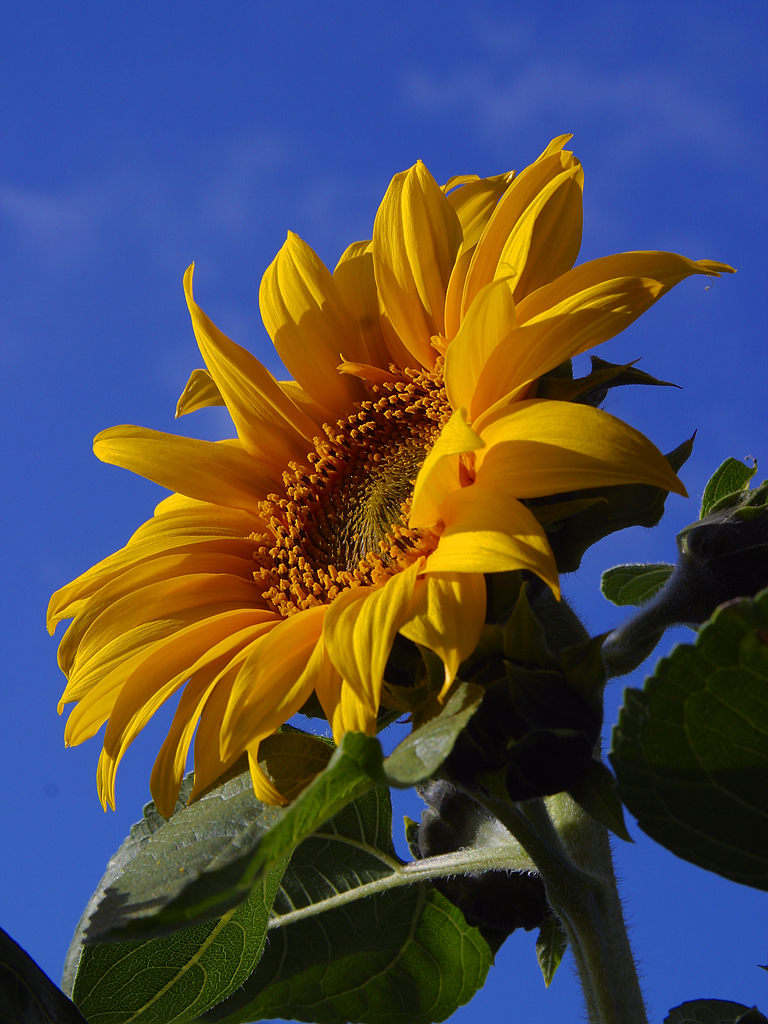 Common sunflowerHelianthus annuus
A tall annual plant grown for its large yellow flower heads and edible seeds
🇨🇦 Canada and 4 more · Wildflower
Common sunflowerHelianthus annuus
A tall annual plant grown for its large yellow flower heads and edible seeds
🇨🇦 Canada and 4 more · Wildflower
 Asteraceae
The vast family of daisies, asters, and sunflowers with star-like flower heads
Asteraceae · Wildflower
Asteraceae
The vast family of daisies, asters, and sunflowers with star-like flower heads
Asteraceae · Wildflower
 DandelionTaraxacum
A yellow-flowered perennial found in fields, lawns, and gardens worldwide
Taraxacum · Wildflower
DandelionTaraxacum
A yellow-flowered perennial found in fields, lawns, and gardens worldwide
Taraxacum · Wildflower
 Dahlia
A bushy perennial with tuberous roots and bright, star-shaped blooms
🇲🇽 Mexico and 1 more · Garden flower
Dahlia
A bushy perennial with tuberous roots and bright, star-shaped blooms
🇲🇽 Mexico and 1 more · Garden flower
More from France
All the flowers of France TulipTulipa
Spring-blooming bulbs with showy, cup-shaped flowers in many colours
🇳🇱 Netherlands and 7 more · Wildflower
TulipTulipa
Spring-blooming bulbs with showy, cup-shaped flowers in many colours
🇳🇱 Netherlands and 7 more · Wildflower
 Common flaxLinum usitatissimum
The slender blue-flowered plant grown for linen and linseed
🇨🇳 China and 7 more · Wildflower
Common flaxLinum usitatissimum
The slender blue-flowered plant grown for linen and linseed
🇨🇳 China and 7 more · Wildflower
 Chrysanthemum菊花
Autumn-blooming flower with thousands of varieties, cherished in East Asia and beyond
🇨🇳 China and 6 more · Wildflower
Chrysanthemum菊花
Autumn-blooming flower with thousands of varieties, cherished in East Asia and beyond
🇨🇳 China and 6 more · Wildflower
 LindenTilia
Tall, broad-leaved trees with fragrant yellow flowers and heart-shaped leaves
🇨🇳 China and 7 more · Flowering tree
LindenTilia
Tall, broad-leaved trees with fragrant yellow flowers and heart-shaped leaves
🇨🇳 China and 7 more · Flowering tree