🇦🇷 The flowers of Argentina
20 pages from Argentina: its flowers, the things made with them and the places to see them, across 2 cities and regions.
Argentina’s plant life is shaped by its varied climates, from subtropical forests in the north to dry Patagonian shrublands in the south. The country is known for its tallgrass pampas, the ombú tree, and native flowering shrubs like copihue. Wetlands, cacti, and coniferous forests add to its botanical diversity.
- The ombú is the only native tree-like plant of the pampas.
- Patagonia’s flora is dominated by hardy shrubs and southern beeches.
- Cacti are common in northwest Argentina’s dry regions.
- Wetlands support many aquatic plants.
- Forest cover has declined due to agriculture.
The plant life of Argentina
Argentina’s flora reflects its wide range of climates and landscapes. Subtropical forests with trees like quebracho and algarrobo dominate the north, while the central pampas are grasslands with deep, fertile soils but few native trees. The ombú, an evergreen, is the only tree-like native plant of the pampas. Patagonia, in the south, features hardy shrubs and bushes adapted to dry, rocky soils, with coniferous and broadleaf forests in the far west and on Tierra del Fuego. Wetlands support many aquatic plants, and cacti are common in the northwest. Overall, the country’s plant life is rich and varied, shaped by both natural conditions and human activity.
From region to region in Argentina
The flora changes sharply from region to region. The Gran Chaco in the north is subtropical, with rosewood and algarrobo trees. The pampas in central Argentina are mostly treeless grasslands, except for the ombú. Western pampas are drier, with short grasses. Patagonia’s dry plains support shrubs and bushes, while its western edge and Tierra del Fuego have coniferous and southern beech forests. Cuyo is semiarid, with thorny bushes, cacti in the northwest, and river valleys with more trees and grasses.
Flowers to know in Argentina
The ombú stands out as the only native tree-like plant of the pampas. The copihue, a flowering shrub, is common in Patagonia. Native conifers such as alerce and pehuén, and southern beeches like coihue and lenga, grow in the far south and west. The quebracho tree is notable in the north for its hard wood. Wetlands and river valleys support a variety of aquatic and riparian plants.
How flowers are used in Argentina
Much of the pampas has been converted to farmland due to its fertile soils, impacting native plant communities. In Cuyo, conditions favor large-scale grape growing. Imported trees such as eucalyptus and sycamore are often planted along roads and in towns. Traditional uses of native trees like quebracho include timber and tannin extraction, though these are not detailed in the source.
Threats and protection in Argentina
Argentina’s forests have declined in area over recent decades, mainly due to agriculture. Only a small portion of forests are in protected areas. Environmental issues include oil spills and pollution, with recent legal actions to protect national parks such as Calilegua. Conservation laws and protected areas aim to safeguard the country’s plant diversity.
The facts in this overview come from the Wikipedia article "Environment of Argentina", written by its contributors and used under the CC BY-SA 4.0 licence. Phool rewrote the text in its own words, with AI assistance, and compares every page with the article to make sure no passage is copied. It may be reused under the same CC BY-SA 4.0 licence with a link back.
Flower experiences in Argentina
Cities and regions of Argentina
 CactusCactaceae
Succulent plants with spines, native to the Americas
🇲🇽 Mexico and 7 more · Wildflower
CactusCactaceae
Succulent plants with spines, native to the Americas
🇲🇽 Mexico and 7 more · Wildflower
 Eucalyptus
The tall, aromatic trees and shrubs known as gum trees or eucalypts
🇦🇺 Australia and 7 more · Flowering tree
Eucalyptus
The tall, aromatic trees and shrubs known as gum trees or eucalypts
🇦🇺 Australia and 7 more · Flowering tree
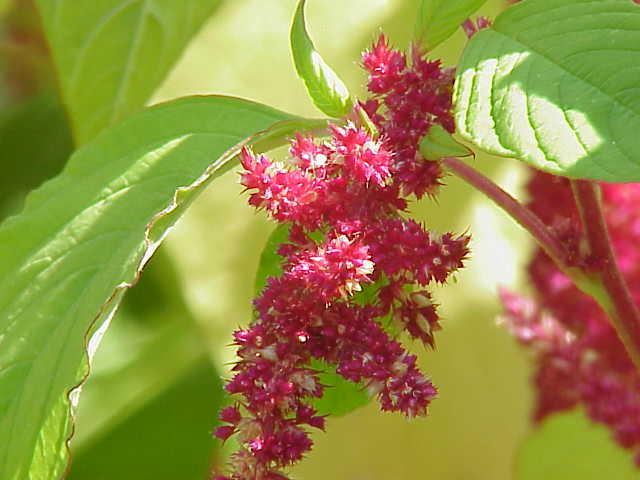 AmaranthAmaranthus
A tall, colourful plant grown for its flowers, leaves and edible seeds
🇲🇽 Mexico and 7 more · Wildflower
AmaranthAmaranthus
A tall, colourful plant grown for its flowers, leaves and edible seeds
🇲🇽 Mexico and 7 more · Wildflower
 Passion fruitPassiflora edulis
A tropical vine grown for its sweet-sour, aromatic fruit
🇧🇷 Brazil and 6 more · Climber
Passion fruitPassiflora edulis
A tropical vine grown for its sweet-sour, aromatic fruit
🇧🇷 Brazil and 6 more · Climber
 BromeliadsBromeliaceae
A family of tropical flowering plants from the Americas, including the pineapple
🇨🇱 Chile and 7 more · Wildflower
BromeliadsBromeliaceae
A family of tropical flowering plants from the Americas, including the pineapple
🇨🇱 Chile and 7 more · Wildflower
 Cleome houtteana
Tall annual with pink, purple, or white flowers and long, whisker-like stamens
🇦🇷 Argentina and 5 more · Garden flower
Cleome houtteana
Tall annual with pink, purple, or white flowers and long, whisker-like stamens
🇦🇷 Argentina and 5 more · Garden flower
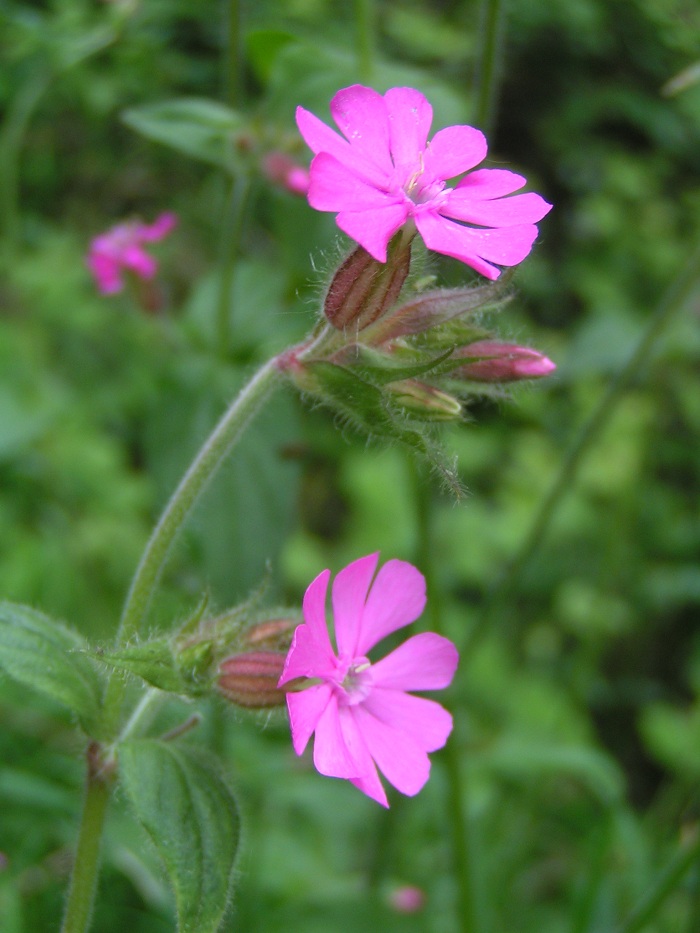 Red campionSilene dioica
A wild pink-red flower of woods and roadsides in northern and central Europe
🇮🇪 Ireland and 4 more · Wildflower
Red campionSilene dioica
A wild pink-red flower of woods and roadsides in northern and central Europe
🇮🇪 Ireland and 4 more · Wildflower
 Eryngium
A spiny-leaved plant with blue or white flower heads, grown in gardens and used in cooking
🇲🇽 Mexico and 7 more · Wildflower
Eryngium
A spiny-leaved plant with blue or white flower heads, grown in gardens and used in cooking
🇲🇽 Mexico and 7 more · Wildflower
 Schizanthus
Ferny-leaved annuals with butterfly-like flowers from Chile and Argentina
🇨🇱 Chile and 4 more · Wildflower
Schizanthus
Ferny-leaved annuals with butterfly-like flowers from Chile and Argentina
🇨🇱 Chile and 4 more · Wildflower
 Love-lies-bleedingAmaranthus caudatus
Tall Andean plant with long, drooping red or white flower clusters
🇵🇪 Peru and 8 more · Wildflower
Love-lies-bleedingAmaranthus caudatus
Tall Andean plant with long, drooping red or white flower clusters
🇵🇪 Peru and 8 more · Wildflower
 Decoration
Jāņi
Latvia’s midsummer festival with wreaths, bonfires, and solstice songs
🇱🇻 Latvia and 3 more · Custom, June
Decoration
Jāņi
Latvia’s midsummer festival with wreaths, bonfires, and solstice songs
🇱🇻 Latvia and 3 more · Custom, June
 Cattleya
A showy orchid genus from Central and South America
🇨🇷 Costa Rica and 2 more · Wildflower
Cattleya
A showy orchid genus from Central and South America
🇨🇷 Costa Rica and 2 more · Wildflower
 BlanketflowerGaillardia
A daisy-like wildflower with bold, blanket-patterned blooms
🇲🇽 Mexico and 2 more · Wildflower
BlanketflowerGaillardia
A daisy-like wildflower with bold, blanket-patterned blooms
🇲🇽 Mexico and 2 more · Wildflower
 Cosmos
Tall daisy-like flowers grown in gardens and meadows
🇺🇸 United States and 5 more · Wildflower
Cosmos
Tall daisy-like flowers grown in gardens and meadows
🇺🇸 United States and 5 more · Wildflower
 Hardy fuchsiaFuchsia magellanica
A South American shrub with drooping red and purple flowers
🇦🇷 Argentina and 5 more · Flowering shrub
Hardy fuchsiaFuchsia magellanica
A South American shrub with drooping red and purple flowers
🇦🇷 Argentina and 5 more · Flowering shrub
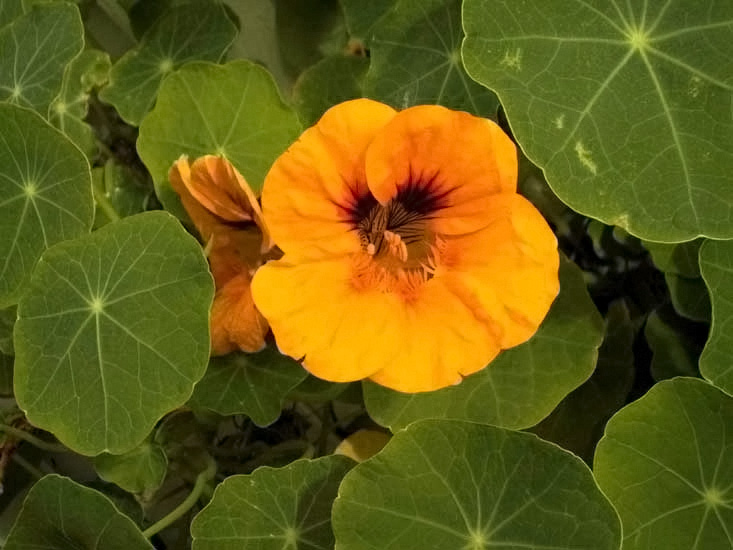 NasturtiumTropaeolum
A South American genus with bright, edible flowers and rounded leaves
🇨🇱 Chile and 3 more · Garden flower
NasturtiumTropaeolum
A South American genus with bright, edible flowers and rounded leaves
🇨🇱 Chile and 3 more · Garden flower
 Solanum laxum
A woody evergreen vine with clusters of white or pale blue flowers
🇧🇷 Brazil and 4 more · Garden flower
Solanum laxum
A woody evergreen vine with clusters of white or pale blue flowers
🇧🇷 Brazil and 4 more · Garden flower
 Tecoma
Shrubs or small trees with trumpet-shaped flowers from the Americas
🇺🇸 United States and 3 more · Flowering shrub
Tecoma
Shrubs or small trees with trumpet-shaped flowers from the Americas
🇺🇸 United States and 3 more · Flowering shrub
 Place
Buenos Aires Botanical GardenJardín Botánico de Buenos Aires
A historic botanical garden with over 5,000 plant species in Buenos Aires
Buenos Aires, 🇦🇷 Argentina · Botanical garden
Place
Buenos Aires Botanical GardenJardín Botánico de Buenos Aires
A historic botanical garden with over 5,000 plant species in Buenos Aires
Buenos Aires, 🇦🇷 Argentina · Botanical garden
 Japanese honeysuckleLonicera japonica
A twining vine with sweetly scented white and yellow flowers from East Asia
🇨🇳 China and 7 more · Wildflower
Japanese honeysuckleLonicera japonica
A twining vine with sweetly scented white and yellow flowers from East Asia
🇨🇳 China and 7 more · Wildflower
Photo credits on this page
The small pictures above come from Wikimedia Commons under free licences. Some are cropped to fit.
- Eucalyptus: Ethel Aardvark, CC BY 3.0, source
- Cosmos: AG0ST1NH0 ( talk ), CC BY-SA 3.0, source
- Love-lies-bleeding: Kurt Stüber [1], CC BY-SA 3.0, source
- Red campion: Unknown author, CC BY-SA 3.0, source
- Passion fruit: Бутио Такано, CC BY-SA 3.0, source
- Cactus: G. Mütrel, Leipzig ; Berlin ; Wien : F.A. Brockhaus, Public domain, source
- Amaranth: Kurt Stüber [1], CC BY-SA 3.0, source
- Buenos Aires Botanical Garden: José María Pérez Nuñez, CC BY-SA 2.0, source
- Bromeliads: MANOJTV at English Wikipedia, CC BY-SA 3.0, source
- Japanese honeysuckle: William Rafti of the William Rafti Institute, aka Rafti Institute at e, Attribution, source
- Eryngium: The original uploader was Ramin Nakisa at English Wikipedia ., CC BY-SA 3.0, source
- Hardy fuchsia: W. Bulach, CC BY-SA 4.0, source
- Solanum laxum: RoyFocker, Public domain, source
- Tecoma: Filo gèn', CC BY-SA 4.0, source
- Cleome houtteana: Wiki Farazi, CC0, source
- Schizanthus: Penarc, CC BY-SA 3.0, source
- Jāņi: Heinrihsons, CC BY-SA 2.0, source
- Cattleya: Unknown author, CC BY-SA 2.5, source
- Blanketflower: Photograph taken by and (c)2007 Johnathan J. Stegeman ( Midimacman ), CC BY-SA 3.0, source
- Nasturtium: Unknown author, CC BY-SA 3.0, source
- Argentina: Lmalena, CC BY-SA 4.0, source