
Japanese honeysuckle
Lonicera japonica, family Caprifoliaceae
A twining vine with sweetly scented white and yellow flowers from East Asia
Japanese honeysuckle is a climbing vine native to China and East Asia, grown for its fragrant white flowers that turn yellow with age. While valued as an ornamental plant and for its sweet nectar, it is invasive in many countries and used in traditional Chinese medicine.
- Flowers open white and fade to yellow, with a strong vanilla scent
- Native to China, now invasive in the US, New Zealand, and other countries
- Flowers are edible and prized for their sweet nectar
- Used in traditional Chinese medicine under several names
- All parts except the nectar can be toxic if eaten in large amounts
What does Japanese honeysuckle look like?
Japanese honeysuckle is a vigorous, twining vine that can climb up to 10 meters high, often winding through trees and shrubs. Its leaves are simple, oval, and grow in pairs along the stem. Young stems are reddish and may feel fuzzy, while older stems become brown and hollow. The flowers are tubular and open white, fading to yellow as they age, and are known for their strong, sweet vanilla scent. In autumn, the plant produces small black berries.
Where does Japanese honeysuckle come from?
This honeysuckle is native to East Asia, especially widespread in China, including regions like Beijing, Shanghai, and Guangdong. It was introduced to other parts of the world as an ornamental plant, particularly in the United States in the early 1800s. Over time, it has spread widely, becoming naturalized and invasive in countries such as the US, New Zealand, Australia, and several in South America. Its ability to grow quickly and spread by both seeds and rhizomes has helped it colonize new areas.
When and how Japanese honeysuckle blooms
Japanese honeysuckle blooms from spring into autumn, producing flowers that attract pollinators and wildlife. It grows best in disturbed areas with plenty of sunlight, such as roadsides and open woodlands. The plant can be propagated from seed, cuttings, or by layering, and spreads easily through shoots. Cultivated varieties like 'Hall's Prolific' are popular for groundcover and their strong fragrance.


How Japanese honeysuckle is used
People grow Japanese honeysuckle for its attractive, fragrant flowers and as a groundcover in gardens. The flowers are edible, with nectar that is enjoyed for its sweetness. In traditional Chinese medicine, the plant is used under names like rěn dōng téng and jīn yín huā. However, outside its native range, it is often considered a weed and can outcompete native plants.
Kinds of Japanese honeysuckle
There are three subspecies of Lonicera japonica. Cultivars such as 'Hall's Prolific' (also called 'Halliana') are widely grown for their prolific flowering and scent. Another variety, L. japonica var. repens, has received recognition from the Royal Horticultural Society. Biological controls, like specific butterflies and beetles, have been introduced in places like New Zealand to manage its spread.
What Japanese honeysuckle means
Japanese honeysuckle holds a place in traditional Chinese medicine, where its flowers are called 'gold-silver flower' for their shifting colors. Though valued for its beauty and fragrance, it is also notorious as an invasive species, especially in the United States, where it is banned or restricted in several states. Its sweet nectar is a treat for children and wildlife alike, but the plant can be toxic if large amounts are eaten.
Questions people ask about Japanese honeysuckle
Where does Japanese honeysuckle come from?
Japanese honeysuckle is native to East Asia, especially many regions in China such as Beijing, Shanghai, and Guangdong. It has been introduced to other parts of the world as an ornamental plant.
What does Japanese honeysuckle look like?
It is a climbing vine with oval leaves and tubular flowers that start white and turn yellow as they age. The flowers have a strong, sweet vanilla scent and the plant produces small black berries in autumn.
Is Japanese honeysuckle edible?
The flowers are edible and their nectar is sweet and enjoyed by people. However, other parts of the plant can be toxic if consumed in large amounts.
How is Japanese honeysuckle used in traditional medicine?
In traditional Chinese medicine, Japanese honeysuckle is known as rěn dōng téng or jīn yín huā and is used for its medicinal properties, especially the flowers.
Why is Japanese honeysuckle considered invasive?
Outside its native range, Japanese honeysuckle spreads quickly, outcompetes native plants, and forms dense thickets that prevent other species from growing, making it a problematic invasive species in many countries.
Good reading and sources
- Species: Lonicera japonicaUS Department of Agriculture, Article
- Plants of the World OnlineRoyal Botanic Gardens, Kew, Plant database
- Where it has been recordedGBIF, Plant database
- Sightings and photos by naturalistsiNaturalist, Plant database
- Lonicera japonica on WikipediaEncyclopedia
- More photos on Wikimedia CommonsPhotos
- Wikidata recordOpen data
The facts on this page come from the Wikipedia article "Lonicera japonica", written by its contributors and used under the CC BY-SA 4.0 licence, and from its Wikidata record (CC0). Phool rewrote the text in its own words, with AI assistance, and compares every page with the article to make sure no passage is copied. It may be reused under the same CC BY-SA 4.0 licence with a link back.
It may contain mistakes. It is not medical or foraging advice: many flowers are poisonous, and traditional uses are reported, not recommended. If something is wrong, tell us. Last refreshed 2026-10-03.
Others in the family Caprifoliaceae
The whole family HoneysuckleLonicera
Twining vines and shrubs with sweet-scented tubular flowers and edible nectar
Lonicera · Wildflower
HoneysuckleLonicera
Twining vines and shrubs with sweet-scented tubular flowers and edible nectar
Lonicera · Wildflower
 Common ValerianValeriana officinalis
Tall, sweet-scented wildflower with pale pink blooms and a long history in herbal lore
🇮🇸 Iceland and 8 more · Wildflower
Common ValerianValeriana officinalis
Tall, sweet-scented wildflower with pale pink blooms and a long history in herbal lore
🇮🇸 Iceland and 8 more · Wildflower
 Lomelosia comosa
A perennial wildflower and Mongolia's national flower
🇲🇳 Mongolia and 1 more · Wildflower
Lomelosia comosa
A perennial wildflower and Mongolia's national flower
🇲🇳 Mongolia and 1 more · Wildflower
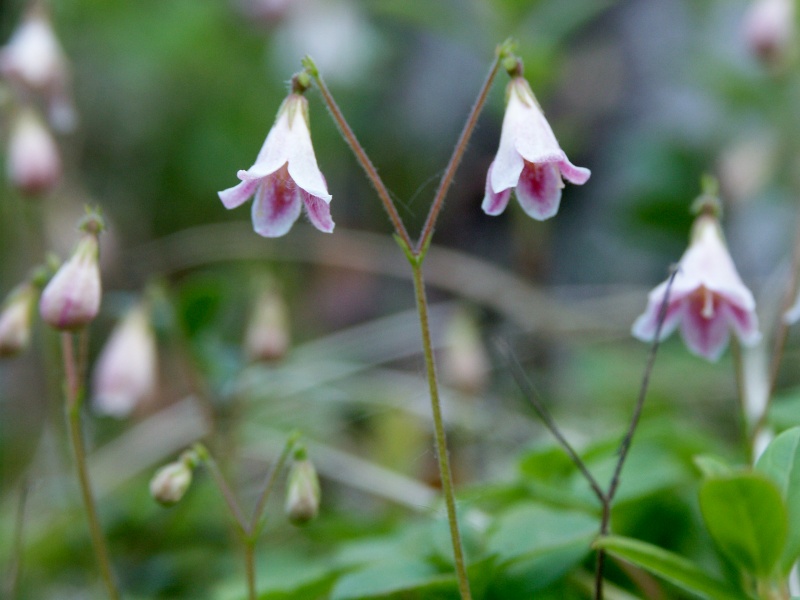 TwinflowerLinnaea borealis
A small woodland plant with paired pale pink flowers, named for Carl Linnaeus
🇺🇸 United States and 2 more · Wildflower
TwinflowerLinnaea borealis
A small woodland plant with paired pale pink flowers, named for Carl Linnaeus
🇺🇸 United States and 2 more · Wildflower
More from China
All the flowers of China PeachPrunus persica
A flowering fruit tree from China, grown for its pink blossoms and sweet fruit
🇨🇳 China and 7 more · Flowering tree
PeachPrunus persica
A flowering fruit tree from China, grown for its pink blossoms and sweet fruit
🇨🇳 China and 7 more · Flowering tree
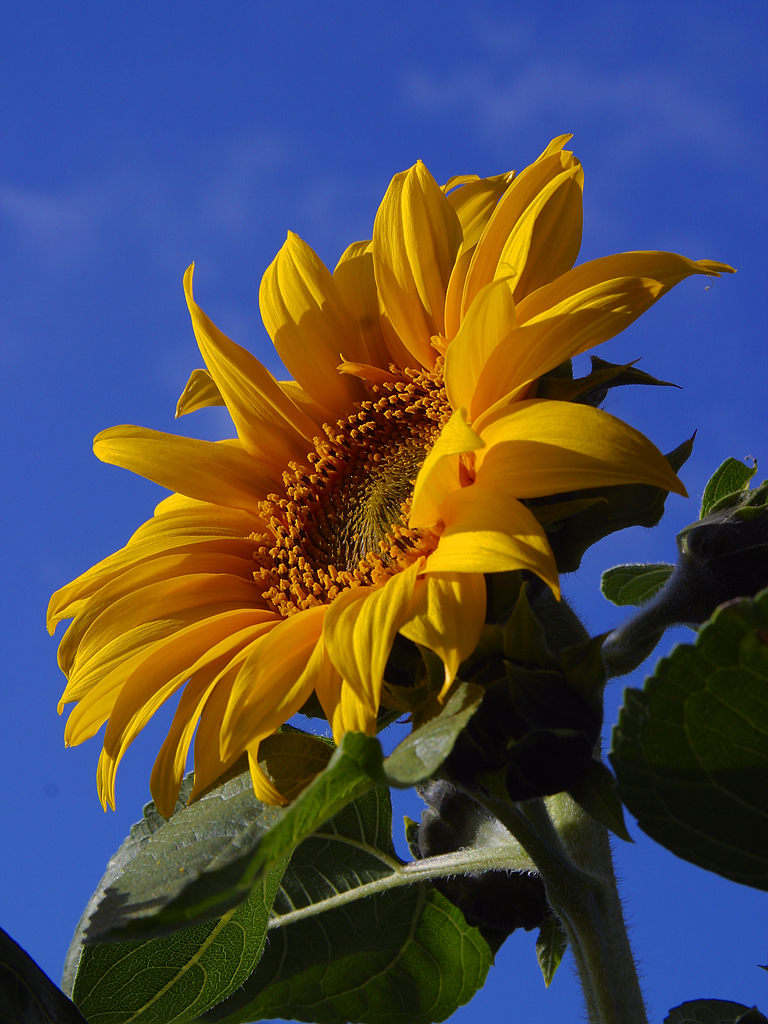 Common sunflowerHelianthus annuus
A tall annual plant grown for its large yellow flower heads and edible seeds
🇨🇦 Canada and 4 more · Wildflower
Common sunflowerHelianthus annuus
A tall annual plant grown for its large yellow flower heads and edible seeds
🇨🇦 Canada and 4 more · Wildflower
 PomegranatePunica granatum
A shrub with bright red flowers and a fruit full of edible seeds
🇮🇷 Iran and 9 more · Flowering shrub
PomegranatePunica granatum
A shrub with bright red flowers and a fruit full of edible seeds
🇮🇷 Iran and 9 more · Flowering shrub
 BirchBetula
Slender trees with papery bark found across the northern world
🇨🇳 China and 7 more · Wildflower
BirchBetula
Slender trees with papery bark found across the northern world
🇨🇳 China and 7 more · Wildflower