
Common Valerian
Valeriana officinalis, family Caprifoliaceae
Tall, sweet-scented wildflower with pale pink blooms and a long history in herbal lore
Common Valerian is a tall perennial herb with clusters of pale pink, fragrant flowers. Native to Europe and parts of Asia, it grows in meadows and marshes and is known for its roots, which have been used in traditional remedies and are also attractive to cats.
- Native to Europe and parts of Asia, found in meadows and marshes
- Sweetly scented pink or white flowers bloom in summer
- Roots used in traditional herbal medicine for sleep and calm
- Attracts cats, similar to catnip
- Considered invasive in some regions outside its native range
What does Common Valerian look like?
Common Valerian grows up to 1.5 meters tall, with upright, mostly unbranched stems and leaves divided into narrow leaflets with uneven edges. Its flowers are small, about 2.5 to 5 mm across, and form loose, branching clusters. The blooms are usually pale pink but can sometimes be white, and they have a sweet, noticeable scent. The plant’s roots are thick and aromatic, which is why they are often harvested.
Where does Common Valerian come from?
This plant is native to a wide area stretching from Iceland and Portugal in the west, across much of Europe, and into Iran and parts of southwestern Asia. It thrives in both wet and dry meadows, marshes, and woodlands, and can also be found on chalky grasslands. Over time, it has spread beyond its native range and is now considered invasive in some places, such as parts of North America. The name 'valerian' comes from Latin roots meaning strength or health.
When and how Common Valerian blooms
Valerian blooms in summer, typically from June to August. It grows best in moist or even marshy soils but can adapt to drier, stony ground. The plant is usually grown from seed or by dividing established roots. The roots are dug up and dried for use, as they contain the plant’s distinctive aromatic oils.


How Common Valerian is used
Valerian roots have a long history in traditional herbal medicine, especially for sleep and mild nervous tension. The dried root is used in extracts and supplements, and has been recognized by European health authorities for these uses. The plant’s scent also attracts cats, much like catnip. In the past, valerian was used in folk customs, such as being placed in wedding clothes in Sweden.
Kinds of Common Valerian
Several subspecies of Common Valerian are recognized, each adapted to different habitats. For example, subsp. officinalis is widespread, subsp. nemorensis grows in Italy and the Balkans, and subsp. tenuifolia is found in central and northern Europe. Some botanists also distinguish forms that prefer dry chalk soils or marshy ground.
What Common Valerian means
Valerian has been valued since ancient Greek and Roman times for its calming properties. It appears in old herbals and was used in medieval European customs and remedies. Today, it is still used in herbal medicine, though scientific studies on its effectiveness are mixed. Its roots are also known for attracting cats and even some wild animals.
Questions people ask about Common Valerian
Where does Common Valerian come from?
Common Valerian is native to Europe and southwestern Asia, with its range stretching from Iceland and Portugal to Iran. It grows wild in meadows, marshes, and woodlands across this region.
What does Common Valerian look like?
It is a tall perennial plant with upright stems, divided leaves, and clusters of small, pale pink or sometimes white, fragrant flowers that bloom in summer.
What is Common Valerian used for?
The roots of Common Valerian have been used in traditional medicine, mainly as a remedy for sleep problems and mild nervous tension. It is also sold as a supplement and is known for attracting cats.
Does Common Valerian have any cultural or symbolic meaning?
Valerian has a long history in European herbal traditions and was mentioned by ancient Greek and Roman writers. In medieval Sweden, it was sometimes used in wedding customs.
Is Common Valerian safe to use?
Valerian is generally recognized as safe in typical doses, but its preparations can vary and may cause side effects. It should not be used with other sedatives, and use during pregnancy is discouraged.
Good reading and sources
- Encyclopaedia BritannicaArticle
- USDA Plants DatabaseUS Department of Agriculture, Article
- IUCN Red List of Threatened SpeciesIUCN Red List, Article
- Plants of the World OnlineRoyal Botanic Gardens, Kew, Plant database
- Where it has been recordedGBIF, Plant database
- Sightings and photos by naturalistsiNaturalist, Plant database
- Valerian (herb) on WikipediaEncyclopedia
- More photos on Wikimedia CommonsPhotos
- Wikidata recordOpen data
The facts on this page come from the Wikipedia article "Valerian (herb)", written by its contributors and used under the CC BY-SA 4.0 licence, and from its Wikidata record (CC0). Phool rewrote the text in its own words, with AI assistance, and compares every page with the article to make sure no passage is copied. It may be reused under the same CC BY-SA 4.0 licence with a link back.
It may contain mistakes. It is not medical or foraging advice: many flowers are poisonous, and traditional uses are reported, not recommended. If something is wrong, tell us. Last refreshed 2026-10-03.
Others in the family Caprifoliaceae
The whole family HoneysuckleLonicera
Twining vines and shrubs with sweet-scented tubular flowers and edible nectar
Lonicera · Wildflower
HoneysuckleLonicera
Twining vines and shrubs with sweet-scented tubular flowers and edible nectar
Lonicera · Wildflower
 Lomelosia comosa
A perennial wildflower and Mongolia's national flower
🇲🇳 Mongolia and 1 more · Wildflower
Lomelosia comosa
A perennial wildflower and Mongolia's national flower
🇲🇳 Mongolia and 1 more · Wildflower
 Patrinia scabiosifolia
A yellow-flowered perennial of East Asian meadows and gardens
🇨🇳 China and 4 more · Wildflower
Patrinia scabiosifolia
A yellow-flowered perennial of East Asian meadows and gardens
🇨🇳 China and 4 more · Wildflower
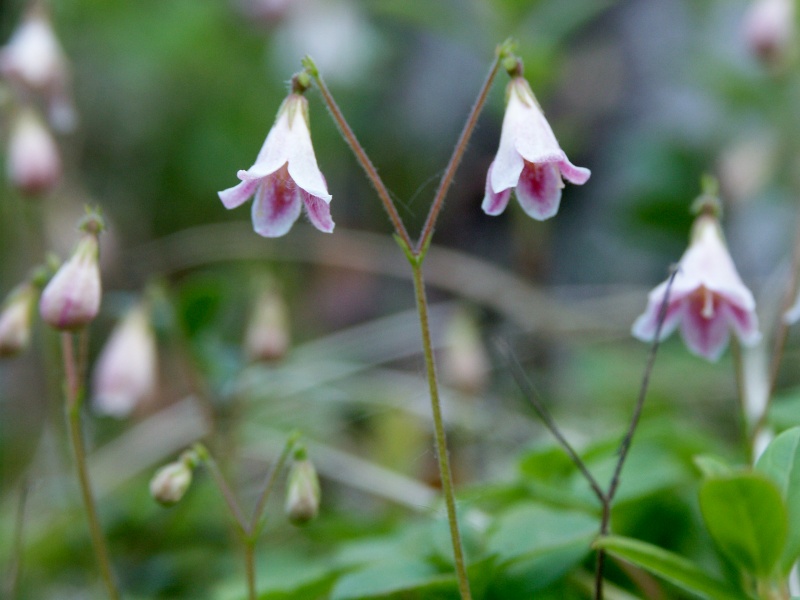 TwinflowerLinnaea borealis
A small woodland plant with paired pale pink flowers, named for Carl Linnaeus
🇺🇸 United States and 2 more · Wildflower
TwinflowerLinnaea borealis
A small woodland plant with paired pale pink flowers, named for Carl Linnaeus
🇺🇸 United States and 2 more · Wildflower
More from Iceland
All the flowers of Iceland Wild PansyViola tricolor
A small wildflower with purple, yellow, and white blooms found across Eurasia
🇨🇳 China and 3 more · Wildflower
Wild PansyViola tricolor
A small wildflower with purple, yellow, and white blooms found across Eurasia
🇨🇳 China and 3 more · Wildflower
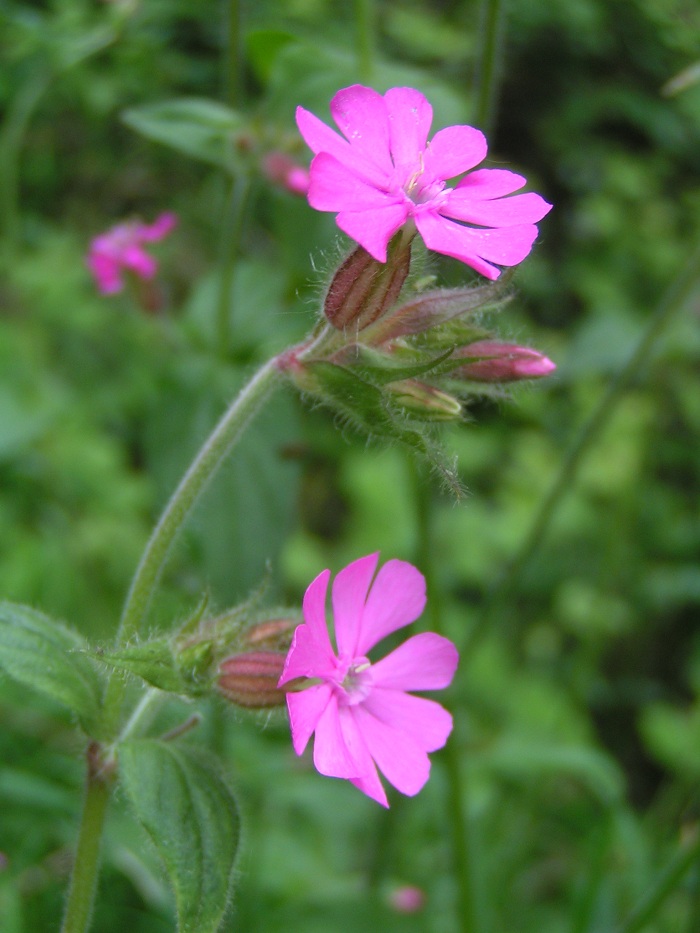 Red campionSilene dioica
A wild pink-red flower of woods and roadsides in northern and central Europe
🇮🇪 Ireland and 4 more · Wildflower
Red campionSilene dioica
A wild pink-red flower of woods and roadsides in northern and central Europe
🇮🇪 Ireland and 4 more · Wildflower
 Eightpetal mountain-avensDryas octopetala
A low evergreen with creamy white eight-petalled flowers of Arctic and alpine regions
🇮🇸 Iceland and 2 more · Wildflower
Eightpetal mountain-avensDryas octopetala
A low evergreen with creamy white eight-petalled flowers of Arctic and alpine regions
🇮🇸 Iceland and 2 more · Wildflower
 Saxifraga cotyledon
A white-flowered saxifrage from northern and mountain regions of Europe
🇳🇴 Norway and 1 more · Wildflower
Saxifraga cotyledon
A white-flowered saxifrage from northern and mountain regions of Europe
🇳🇴 Norway and 1 more · Wildflower