
Blanketflower
Gaillardia, family Asteraceae
A daisy-like wildflower with bold, blanket-patterned blooms
Blanketflower is a group of annual and perennial plants native to North and South America. Their daisy-like flower heads show a wide mix of yellow, orange, red, and other colors, often resembling patterned blankets. Many are grown in gardens for their bright, long-lasting blooms.
- Native to North and South America, from Canada to Argentina
- Flowers come in yellow, orange, red, purple, brown, white, and bicolored forms
- Official flower of Wallonia
- Inspires the school colors of Texas State University
- Grown widely as a garden ornamental
What does Blanketflower look like?
Blanketflowers are upright plants, sometimes annual and sometimes perennial, reaching up to about 80 cm tall. Their leaves are arranged alternately and can be found mainly at the base in some species. The flower heads are solitary and daisy-like, with a central cluster of tubular disc florets and a ring of ray florets in shades from yellow and orange to red, purple, brown, or white. Some flowers are bicolored or have funnel-shaped petals.
Where does Blanketflower come from?
Gaillardia is native to both North and South America, with species found from Canada and the United States through Mexico and into Argentina. The genus was named for Maître Gaillard de Charentonneau, an 18th-century French botanist. The common name may come from the resemblance of the flowers to the bright blankets made by Native Americans, or from the way some species cover the ground in colonies.
When and how Blanketflower blooms
Blanketflowers bloom in a range of seasons depending on the species and region. They grow as either annuals or perennials, sometimes spreading by rhizomes. Plants are usually started from seed and thrive in open, sunny spots. Many cultivars have been bred for gardens, selected for their colorful and long-lasting blooms.


How Blanketflower is used
People grow blanketflowers mainly for their ornamental value in gardens and landscaping. Their bright, patterned blooms are popular with gardeners and attract butterflies. In Wallonia, the blanketflower is the official flower. The colors of Texas State University were inspired by this flower.
Kinds of Blanketflower
There are many species of Gaillardia, such as G. pulchella (firewheel), G. aristata (common gaillardia), and G. amblyodon (maroon blanketflower). Hybrids like Gaillardia × grandiflora are also common in gardens. Some species are found in specific regions, like G. arizonica in the southwestern USA and G. megapotamica in Argentina.
What Blanketflower means
Blanketflower is the official flower of Wallonia. Its bold colors inspired the maroon and old gold school colors of Texas State University. The flower’s resemblance to Native American blankets gives it its common name and cultural associations. It is valued for its decorative use and as a symbol in some regions.
Questions people ask about Blanketflower
Where does the blanketflower come from?
Blanketflower is native to North and South America, with species found from Canada and the United States through Mexico and into Argentina.
What does the blanketflower look like?
It has daisy-like flower heads with a central cluster of disc florets and a ring of ray florets. The flowers can be yellow, orange, red, purple, brown, white, or bicolored, and the plants grow up to about 80 cm tall.
Why is it called blanketflower?
The name may come from the flower’s resemblance to brightly patterned Native American blankets, or from the way some species cover the ground in colonies.
What is the blanketflower used for?
Blanketflowers are mainly grown as ornamental plants in gardens for their colorful and long-lasting blooms. They are also used as symbols, such as the official flower of Wallonia.
Are there different types of blanketflower?
Yes, there are many species and hybrids, including Gaillardia pulchella (firewheel), G. aristata (common gaillardia), and G. × grandiflora, each with its own range and flower colors.
Good reading and sources
- Encyclopaedia BritannicaArticle
- USDA Plants DatabaseUS Department of Agriculture, Article
- Plants of the World OnlineRoyal Botanic Gardens, Kew, Plant database
- Where it has been recordedGBIF, Plant database
- Sightings and photos by naturalistsiNaturalist, Plant database
The facts on this page come from the Wikipedia article "Gaillardia", written by its contributors and used under the CC BY-SA 4.0 licence, and from its Wikidata record (CC0). EveryPhool rewrote the text in its own words, with AI assistance, and compares every page with the article to make sure no passage is copied. It may be reused under the same CC BY-SA 4.0 licence with a link back.
It may contain mistakes. It is not medical or foraging advice: many flowers are poisonous, and traditional uses are reported, not recommended. If something is wrong, tell us. Last refreshed 2026-10-03.
Others in the family Asteraceae
The whole family Chrysanthemum菊花
Autumn-blooming flower with thousands of varieties, cherished in East Asia and beyond
🇨🇳 China and 6 more · Wildflower
Chrysanthemum菊花
Autumn-blooming flower with thousands of varieties, cherished in East Asia and beyond
🇨🇳 China and 6 more · Wildflower
 DandelionTaraxacum
A yellow-flowered perennial found in fields, lawns, and gardens worldwide
Taraxacum · Wildflower
DandelionTaraxacum
A yellow-flowered perennial found in fields, lawns, and gardens worldwide
Taraxacum · Wildflower
 Dahlia
A bushy perennial with tuberous roots and bright, star-shaped blooms
🇲🇽 Mexico and 1 more · Garden flower
Dahlia
A bushy perennial with tuberous roots and bright, star-shaped blooms
🇲🇽 Mexico and 1 more · Garden flower
 Common dandelionTaraxacum officinale
A familiar yellow wildflower with fluffy seed heads found across temperate regions
🇨🇳 China · Wildflower
Common dandelionTaraxacum officinale
A familiar yellow wildflower with fluffy seed heads found across temperate regions
🇨🇳 China · Wildflower
More from Mexico
All the flowers of Mexico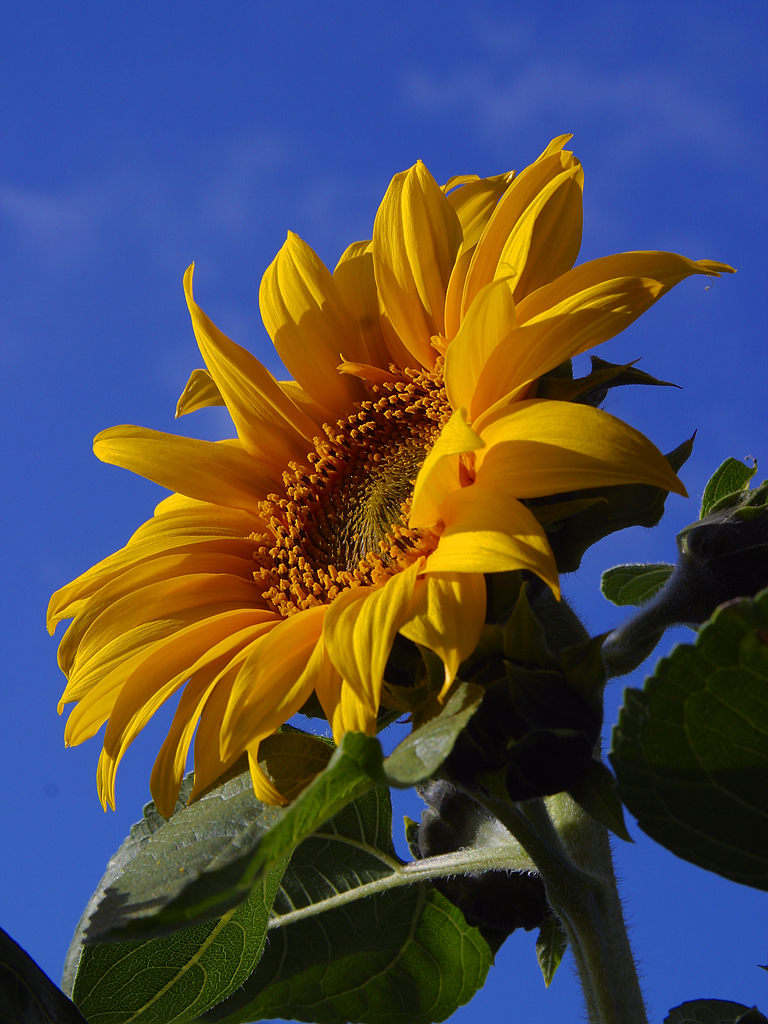 Common sunflowerHelianthus annuus
A tall annual plant grown for its large yellow flower heads and edible seeds
🇨🇦 Canada and 4 more · Wildflower
Common sunflowerHelianthus annuus
A tall annual plant grown for its large yellow flower heads and edible seeds
🇨🇦 Canada and 4 more · Wildflower
 CactusCactaceae
Succulent plants with spines, native to the Americas
🇲🇽 Mexico and 7 more · Wildflower
CactusCactaceae
Succulent plants with spines, native to the Americas
🇲🇽 Mexico and 7 more · Wildflower
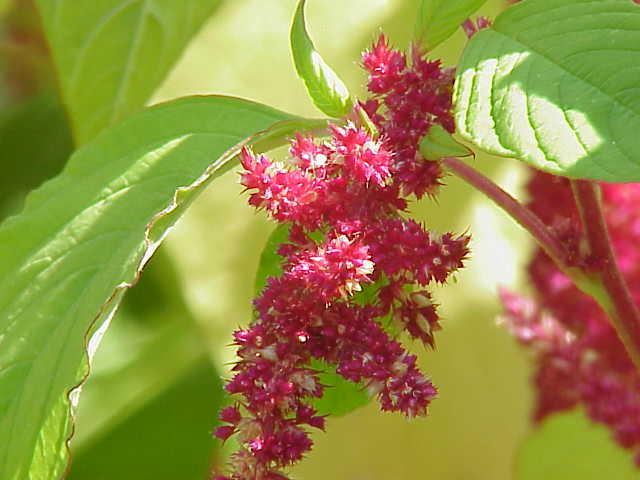 AmaranthAmaranthus
A tall, colourful plant grown for its flowers, leaves and edible seeds
🇲🇽 Mexico and 7 more · Wildflower
AmaranthAmaranthus
A tall, colourful plant grown for its flowers, leaves and edible seeds
🇲🇽 Mexico and 7 more · Wildflower
 HawthornCrataegus
A thorny shrub or tree with white or pink spring flowers and small edible fruits
🇮🇪 Ireland and 7 more · Wildflower
HawthornCrataegus
A thorny shrub or tree with white or pink spring flowers and small edible fruits
🇮🇪 Ireland and 7 more · Wildflower