
Eryngium
A spiny-leaved plant with blue or white flower heads, grown in gardens and used in cooking
Eryngium is a group of about 250 flowering plants in the Apiaceae family, found in many parts of the world. These plants have spiky leaves and rounded clusters of blue or white flowers, and are grown for their looks, used in food and folk remedies, and valued for their unique appearance.
- Eryngium includes about 250 species worldwide
- Flowers are usually blue or white and surrounded by spiny bracts
- Some species are used as herbs in cooking, especially in Latin America and Asia
- The roots and shoots can be eaten or candied
- In flower symbolism, it stands for admiration
What does Eryngium look like?
Eryngium plants are known for their stiff, often spiny leaves and rounded flower heads. The flowers are usually blue or white and are grouped in dome-shaped clusters, surrounded by a ring of spiky bracts. The leaves can be sword-shaped or palm-like, depending on the species. These plants can be annuals or perennials and are usually hairless. Their striking shape and color make them stand out in gardens and wild areas.
Where does Eryngium come from?
Eryngium likely first appeared in Eurasia, with the western Mediterranean as a key area for its diversity. Over time, the genus spread widely, with many species evolving in South America and Mexico. The name comes from Ancient Greek and was formally used by Linnaeus in the 18th century. Botanists from different regions have studied and classified Eryngium over the centuries, describing its many forms and uses.
When and how Eryngium blooms
Eryngium species grow in a range of environments, from dry, rocky ground in Europe and Asia to wetter grasslands in the Americas. They can be grown from seed and are valued in gardens for their unusual flowers and foliage. Some species and hybrids are especially popular with gardeners, and many named varieties exist. The plants bloom at different times, depending on the species and location.


How Eryngium is used
People grow Eryngium as ornamental plants in gardens, and some species are used in cooking and traditional medicine. In several countries, parts of the plant are eaten as vegetables or used as herbs, sometimes as a substitute for coriander. Folk remedies use Eryngium for various ailments, and some cultures make herbal teas or use it for stings. The roots and young shoots are sometimes cooked or candied.
Kinds of Eryngium
There are about 250 species of Eryngium, with many hybrids and cultivars grown for gardens. Eryngium planum has the most named varieties, and some species have won awards for garden merit. The genus is divided into several subgroups, each with its own features. Some species are better known for their culinary or medicinal uses, while others are mainly ornamental.
What Eryngium means
Eryngium has a meaning of admiration in the language of flowers. Though often called sea holly or sea thistle, it is not related to true hollies or thistles. The plant appears in folk traditions and has been mentioned by writers since ancient times. Its unique look and uses have made it a subject of study and appreciation in many cultures.
Questions people ask about Eryngium
Where does Eryngium come from?
Eryngium is found in many parts of the world, with the greatest variety in the western Mediterranean, South America, and Mexico. It likely started in Eurasia and spread to other regions over time.
What does Eryngium look like?
Eryngium plants have stiff, spiny leaves and rounded clusters of blue or white flowers. The flower heads are surrounded by a ring of sharp bracts, giving them a thistle-like appearance.
How is Eryngium used?
People grow Eryngium as an ornamental plant in gardens. Some species are used as herbs in cooking, especially in tropical regions, and others are used in folk medicine or eaten as vegetables.
What does Eryngium symbolise?
In the language of flowers, Eryngium represents admiration.
Is Eryngium related to true thistles or hollies?
Despite being called sea holly or sea thistle, Eryngium is not related to true hollies or thistles. It belongs to the Apiaceae family.
Good reading and sources
- USDA Plants DatabaseUS Department of Agriculture, Article
- Plants of the World OnlineRoyal Botanic Gardens, Kew, Plant database
- Where it has been recordedGBIF, Plant database
- Sightings and photos by naturalistsiNaturalist, Plant database
The facts on this page come from the Wikipedia article "Eryngium", written by its contributors and used under the CC BY-SA 4.0 licence, and from its Wikidata record (CC0). EveryPhool rewrote the text in its own words, with AI assistance, and compares every page with the article to make sure no passage is copied. It may be reused under the same CC BY-SA 4.0 licence with a link back.
It may contain mistakes. It is not medical or foraging advice: many flowers are poisonous, and traditional uses are reported, not recommended. If something is wrong, tell us. Last refreshed 2026-10-03.
Others in the family Apiaceae
The whole family FennelFoeniculum vulgare
A tall, aromatic herb with feathery leaves and yellow umbels, used for food and spice
🇨🇳 China and 7 more · Herb or useful flower
FennelFoeniculum vulgare
A tall, aromatic herb with feathery leaves and yellow umbels, used for food and spice
🇨🇳 China and 7 more · Herb or useful flower
 Plains eryngoEryngium planum
A spiky blue perennial with thistle-like flowerheads and silvery stems
🇨🇳 China · Wildflower
Plains eryngoEryngium planum
A spiky blue perennial with thistle-like flowerheads and silvery stems
🇨🇳 China · Wildflower
 Bupleurum
A genus of herbs and shrubs with simple leaves and small umbel flowers
Bupleurum · Wildflower
Bupleurum
A genus of herbs and shrubs with simple leaves and small umbel flowers
Bupleurum · Wildflower
 Orlaya grandiflora
A Mediterranean annual with white, lace-like flower clusters
Orlaya grandiflora · Wildflower
Orlaya grandiflora
A Mediterranean annual with white, lace-like flower clusters
Orlaya grandiflora · Wildflower
More from Mexico
All the flowers of Mexico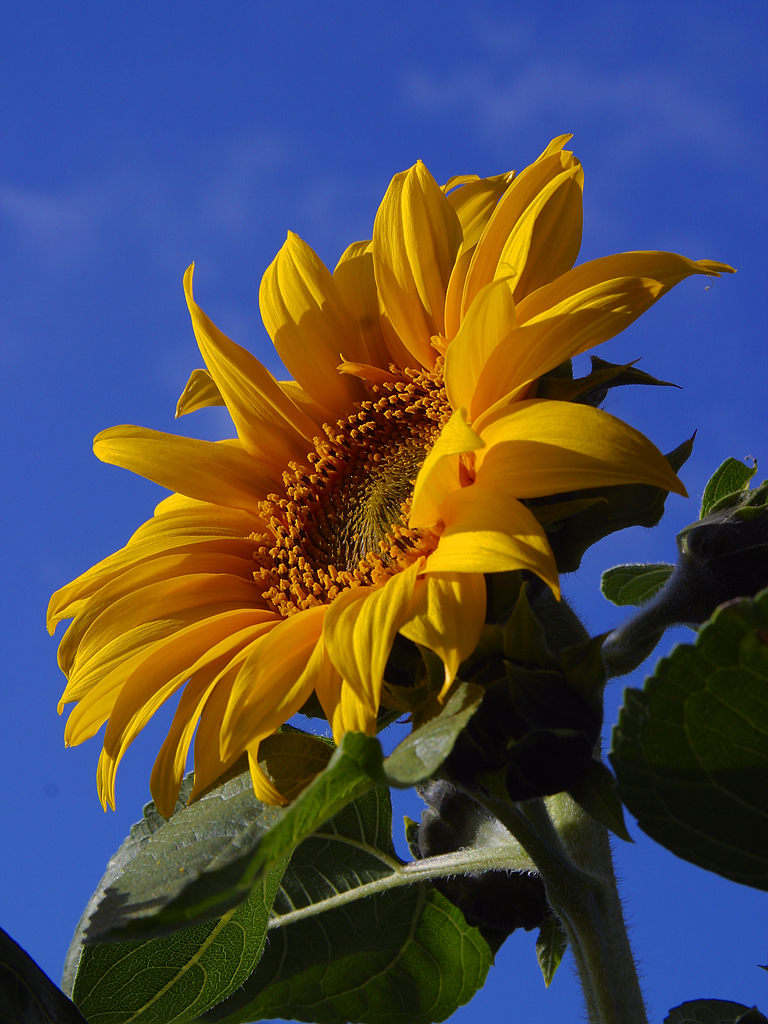 Common sunflowerHelianthus annuus
A tall annual plant grown for its large yellow flower heads and edible seeds
🇨🇦 Canada and 4 more · Wildflower
Common sunflowerHelianthus annuus
A tall annual plant grown for its large yellow flower heads and edible seeds
🇨🇦 Canada and 4 more · Wildflower
 CactusCactaceae
Succulent plants with spines, native to the Americas
🇲🇽 Mexico and 7 more · Wildflower
CactusCactaceae
Succulent plants with spines, native to the Americas
🇲🇽 Mexico and 7 more · Wildflower
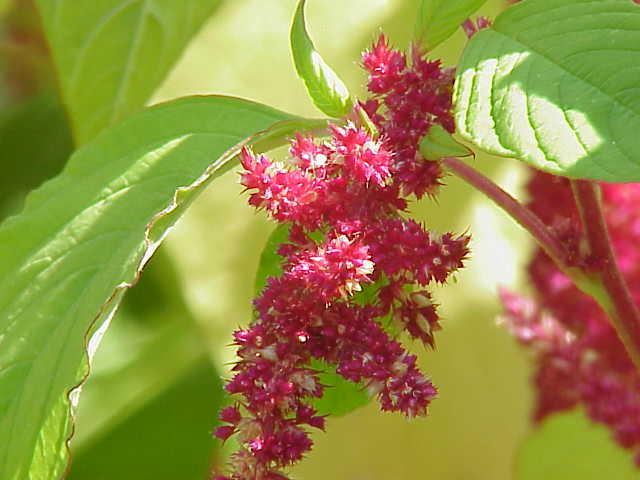 AmaranthAmaranthus
A tall, colourful plant grown for its flowers, leaves and edible seeds
🇲🇽 Mexico and 7 more · Wildflower
AmaranthAmaranthus
A tall, colourful plant grown for its flowers, leaves and edible seeds
🇲🇽 Mexico and 7 more · Wildflower
 HawthornCrataegus
A thorny shrub or tree with white or pink spring flowers and small edible fruits
🇮🇪 Ireland and 7 more · Wildflower
HawthornCrataegus
A thorny shrub or tree with white or pink spring flowers and small edible fruits
🇮🇪 Ireland and 7 more · Wildflower